August 10, 2026
LATEST
Five Joint Defence Projects Launch Europe’s Military ShieldElectrification Plan Aims to Make Europe First Electro ContinentHorizon Europe Budget Fight Heats Up as Ministers Push BackGoogle’s DMA Fine Sets Off a Transatlantic Tariff ClashTwenty New University Alliances Join Erasmus for Two YearsForeign Subsidies Case Puts Temu in the EU’s SightsVan Tachographs Now Mandatory for Cross-Border FleetsStress Test Exposes Gaps in Euro Area Bank DefencesEurope Bets on a Gulf Partnership Before the Riyadh SummitWhy the Atlantic Route Now Runs Through MauritaniaKyiv and Chisinau Advance as the EU Accession Talks Gather PaceEurope’s New Digital Border System Beds In After a Rocky RolloutBrussels Mounts Its Largest Wildfire Response as the Fires SpreadRetail Spending Slipped in June, Wrong-Footing EconomistsHeatwave Warning Puts Brussels on Alert for Vulnerable GroupsKANAL’s 230 Million Euro Museum Sets a November Opening DatePension Savings Rules Get a Reset as the EU Scraps the 1% CapMedicine Shortages Move to the Heart of Europe’s Pharma ResetJapan Becomes Europe’s Closest Security Partner in AsiaCan Europe’s New Zealand Deal Anchor It in the Pacific?Five Joint Defence Projects Launch Europe’s Military ShieldElectrification Plan Aims to Make Europe First Electro ContinentHorizon Europe Budget Fight Heats Up as Ministers Push BackGoogle’s DMA Fine Sets Off a Transatlantic Tariff ClashTwenty New University Alliances Join Erasmus for Two YearsForeign Subsidies Case Puts Temu in the EU’s SightsVan Tachographs Now Mandatory for Cross-Border FleetsStress Test Exposes Gaps in Euro Area Bank DefencesEurope Bets on a Gulf Partnership Before the Riyadh SummitWhy the Atlantic Route Now Runs Through MauritaniaKyiv and Chisinau Advance as the EU Accession Talks Gather PaceEurope’s New Digital Border System Beds In After a Rocky RolloutBrussels Mounts Its Largest Wildfire Response as the Fires SpreadRetail Spending Slipped in June, Wrong-Footing EconomistsHeatwave Warning Puts Brussels on Alert for Vulnerable GroupsKANAL’s 230 Million Euro Museum Sets a November Opening DatePension Savings Rules Get a Reset as the EU Scraps the 1% CapMedicine Shortages Move to the Heart of Europe’s Pharma ResetJapan Becomes Europe’s Closest Security Partner in AsiaCan Europe’s New Zealand Deal Anchor It in the Pacific?
August 10, 2026
LATEST
Five Joint Defence Projects Launch Europe’s Military ShieldElectrification Plan Aims to Make Europe First Electro ContinentHorizon Europe Budget Fight Heats Up as Ministers Push BackGoogle’s DMA Fine Sets Off a Transatlantic Tariff ClashTwenty New University Alliances Join Erasmus for Two YearsForeign Subsidies Case Puts Temu in the EU’s SightsVan Tachographs Now Mandatory for Cross-Border FleetsStress Test Exposes Gaps in Euro Area Bank DefencesEurope Bets on a Gulf Partnership Before the Riyadh SummitWhy the Atlantic Route Now Runs Through MauritaniaKyiv and Chisinau Advance as the EU Accession Talks Gather PaceEurope’s New Digital Border System Beds In After a Rocky RolloutBrussels Mounts Its Largest Wildfire Response as the Fires SpreadRetail Spending Slipped in June, Wrong-Footing EconomistsHeatwave Warning Puts Brussels on Alert for Vulnerable GroupsKANAL’s 230 Million Euro Museum Sets a November Opening DatePension Savings Rules Get a Reset as the EU Scraps the 1% CapMedicine Shortages Move to the Heart of Europe’s Pharma ResetJapan Becomes Europe’s Closest Security Partner in AsiaCan Europe’s New Zealand Deal Anchor It in the Pacific?Five Joint Defence Projects Launch Europe’s Military ShieldElectrification Plan Aims to Make Europe First Electro ContinentHorizon Europe Budget Fight Heats Up as Ministers Push BackGoogle’s DMA Fine Sets Off a Transatlantic Tariff ClashTwenty New University Alliances Join Erasmus for Two YearsForeign Subsidies Case Puts Temu in the EU’s SightsVan Tachographs Now Mandatory for Cross-Border FleetsStress Test Exposes Gaps in Euro Area Bank DefencesEurope Bets on a Gulf Partnership Before the Riyadh SummitWhy the Atlantic Route Now Runs Through MauritaniaKyiv and Chisinau Advance as the EU Accession Talks Gather PaceEurope’s New Digital Border System Beds In After a Rocky RolloutBrussels Mounts Its Largest Wildfire Response as the Fires SpreadRetail Spending Slipped in June, Wrong-Footing EconomistsHeatwave Warning Puts Brussels on Alert for Vulnerable GroupsKANAL’s 230 Million Euro Museum Sets a November Opening DatePension Savings Rules Get a Reset as the EU Scraps the 1% CapMedicine Shortages Move to the Heart of Europe’s Pharma ResetJapan Becomes Europe’s Closest Security Partner in AsiaCan Europe’s New Zealand Deal Anchor It in the Pacific?

Europe Races To Wire Its Grid Before The Summer Deadline

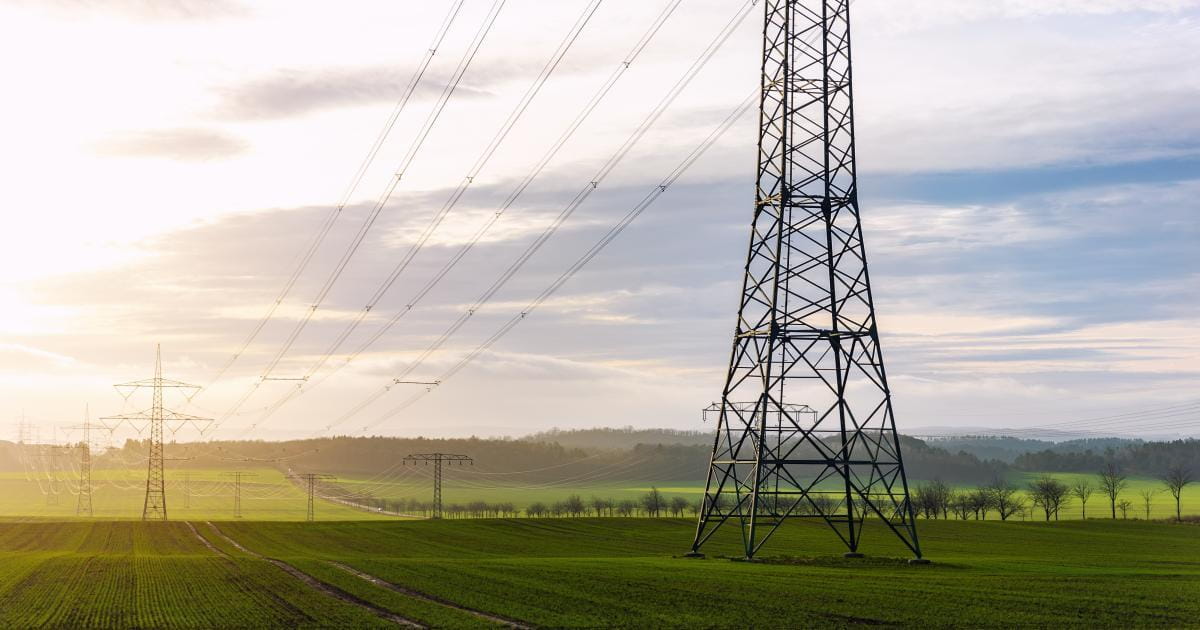
Electricity grids have quietly become the binding constraint on Europe’s clean-energy ambitions, and the Commission is now trying to break the logjam before the season turns. Insufficient grid capacity, not a shortage of wind turbines or solar panels, is increasingly described in Commission circles as the single biggest bottleneck in the green transition, and the policy calendar for the coming weeks reflects that anxiety.

The centrepiece is AccelerateEU, the energy union communication adopted on 22 April under the reference COM/2026/370. It was framed as a response to renewed price spikes, promising immediate relief to households facing volatile bills while pushing the structural shift toward homegrown, low-carbon power. But the document is as much a to-do list for legislators as a statement of intent, and several of its hardest deadlines fall this summer.

Chief among them is the European Grids Package. Brussels wants co-legislators in the Parliament and Council to wrap up negotiations by the summer, arguing that without faster permitting, anticipatory investment and better cross-border planning, the so-called Energy Highways linking national systems will stay stuck on the drawing board. Regulators have spent the spring trying to smooth the path: the Commission and the agency for energy regulators held a stakeholder workshop in March on how to handle the financial risk of building grid capacity before demand fully materialises, a chronic deterrent for network operators.

Running alongside the grid file is a promised Electrification Action Plan, also due before summer. It is expected to set a new electrification target and tackle the practical barriers that keep industry, transport and buildings hooked on fossil fuels. The plan is also slated to push geothermal energy, biomethane and renewable hydrogen, and to map out the phasing-out of fossil fuel subsidies, a politically delicate step that has tripped up previous attempts at reform. A separate legislative proposal on network charges and taxation was pencilled in for May, an unglamorous but consequential question of who pays for the wires.

The timing is not accidental. The annual sustainable energy week lands in the capital from 9 to 11 June, giving ministers, utilities and campaigners a high-profile stage just as the legislative clock runs down. Expect plenty of speeches about resilience and affordability, and rather fewer firm commitments on the financing that grid operators say they actually need.

The underlying tension is hard to disguise. Electrification only delivers cheaper, cleaner power if the network can carry it, yet grid investment is slow, capital-intensive and politically thankless. Households notice their bills; they rarely notice a substation. That asymmetry is precisely why the Commission keeps bundling consumer relief and infrastructure into the same announcements, hoping the popular half carries the technical half along with it.

Whether the summer deadlines hold is another matter. Grid permitting reform touches national planning law, network charges touch national treasuries, and fossil subsidy phase-outs touch politically protected sectors. Each is the kind of file that tends to slip when capitals start counting domestic costs. The Commission has set the pace deliberately fast, betting that a tight calendar forces decisions. The risk is the familiar one in energy policy: ambitious framework, slipping timeline, and a transition that runs ahead of the wires meant to carry it.