August 10, 2026
LATEST
Five Joint Defence Projects Launch Europe’s Military ShieldElectrification Plan Aims to Make Europe First Electro ContinentHorizon Europe Budget Fight Heats Up as Ministers Push BackGoogle’s DMA Fine Sets Off a Transatlantic Tariff ClashTwenty New University Alliances Join Erasmus for Two YearsForeign Subsidies Case Puts Temu in the EU’s SightsVan Tachographs Now Mandatory for Cross-Border FleetsStress Test Exposes Gaps in Euro Area Bank DefencesEurope Bets on a Gulf Partnership Before the Riyadh SummitWhy the Atlantic Route Now Runs Through MauritaniaKyiv and Chisinau Advance as the EU Accession Talks Gather PaceEurope’s New Digital Border System Beds In After a Rocky RolloutBrussels Mounts Its Largest Wildfire Response as the Fires SpreadRetail Spending Slipped in June, Wrong-Footing EconomistsHeatwave Warning Puts Brussels on Alert for Vulnerable GroupsKANAL’s 230 Million Euro Museum Sets a November Opening DatePension Savings Rules Get a Reset as the EU Scraps the 1% CapMedicine Shortages Move to the Heart of Europe’s Pharma ResetJapan Becomes Europe’s Closest Security Partner in AsiaCan Europe’s New Zealand Deal Anchor It in the Pacific?Five Joint Defence Projects Launch Europe’s Military ShieldElectrification Plan Aims to Make Europe First Electro ContinentHorizon Europe Budget Fight Heats Up as Ministers Push BackGoogle’s DMA Fine Sets Off a Transatlantic Tariff ClashTwenty New University Alliances Join Erasmus for Two YearsForeign Subsidies Case Puts Temu in the EU’s SightsVan Tachographs Now Mandatory for Cross-Border FleetsStress Test Exposes Gaps in Euro Area Bank DefencesEurope Bets on a Gulf Partnership Before the Riyadh SummitWhy the Atlantic Route Now Runs Through MauritaniaKyiv and Chisinau Advance as the EU Accession Talks Gather PaceEurope’s New Digital Border System Beds In After a Rocky RolloutBrussels Mounts Its Largest Wildfire Response as the Fires SpreadRetail Spending Slipped in June, Wrong-Footing EconomistsHeatwave Warning Puts Brussels on Alert for Vulnerable GroupsKANAL’s 230 Million Euro Museum Sets a November Opening DatePension Savings Rules Get a Reset as the EU Scraps the 1% CapMedicine Shortages Move to the Heart of Europe’s Pharma ResetJapan Becomes Europe’s Closest Security Partner in AsiaCan Europe’s New Zealand Deal Anchor It in the Pacific?
August 10, 2026
LATEST
Five Joint Defence Projects Launch Europe’s Military ShieldElectrification Plan Aims to Make Europe First Electro ContinentHorizon Europe Budget Fight Heats Up as Ministers Push BackGoogle’s DMA Fine Sets Off a Transatlantic Tariff ClashTwenty New University Alliances Join Erasmus for Two YearsForeign Subsidies Case Puts Temu in the EU’s SightsVan Tachographs Now Mandatory for Cross-Border FleetsStress Test Exposes Gaps in Euro Area Bank DefencesEurope Bets on a Gulf Partnership Before the Riyadh SummitWhy the Atlantic Route Now Runs Through MauritaniaKyiv and Chisinau Advance as the EU Accession Talks Gather PaceEurope’s New Digital Border System Beds In After a Rocky RolloutBrussels Mounts Its Largest Wildfire Response as the Fires SpreadRetail Spending Slipped in June, Wrong-Footing EconomistsHeatwave Warning Puts Brussels on Alert for Vulnerable GroupsKANAL’s 230 Million Euro Museum Sets a November Opening DatePension Savings Rules Get a Reset as the EU Scraps the 1% CapMedicine Shortages Move to the Heart of Europe’s Pharma ResetJapan Becomes Europe’s Closest Security Partner in AsiaCan Europe’s New Zealand Deal Anchor It in the Pacific?Five Joint Defence Projects Launch Europe’s Military ShieldElectrification Plan Aims to Make Europe First Electro ContinentHorizon Europe Budget Fight Heats Up as Ministers Push BackGoogle’s DMA Fine Sets Off a Transatlantic Tariff ClashTwenty New University Alliances Join Erasmus for Two YearsForeign Subsidies Case Puts Temu in the EU’s SightsVan Tachographs Now Mandatory for Cross-Border FleetsStress Test Exposes Gaps in Euro Area Bank DefencesEurope Bets on a Gulf Partnership Before the Riyadh SummitWhy the Atlantic Route Now Runs Through MauritaniaKyiv and Chisinau Advance as the EU Accession Talks Gather PaceEurope’s New Digital Border System Beds In After a Rocky RolloutBrussels Mounts Its Largest Wildfire Response as the Fires SpreadRetail Spending Slipped in June, Wrong-Footing EconomistsHeatwave Warning Puts Brussels on Alert for Vulnerable GroupsKANAL’s 230 Million Euro Museum Sets a November Opening DatePension Savings Rules Get a Reset as the EU Scraps the 1% CapMedicine Shortages Move to the Heart of Europe’s Pharma ResetJapan Becomes Europe’s Closest Security Partner in AsiaCan Europe’s New Zealand Deal Anchor It in the Pacific?

Global Gateway Promised Africa An Alternative To Beijing

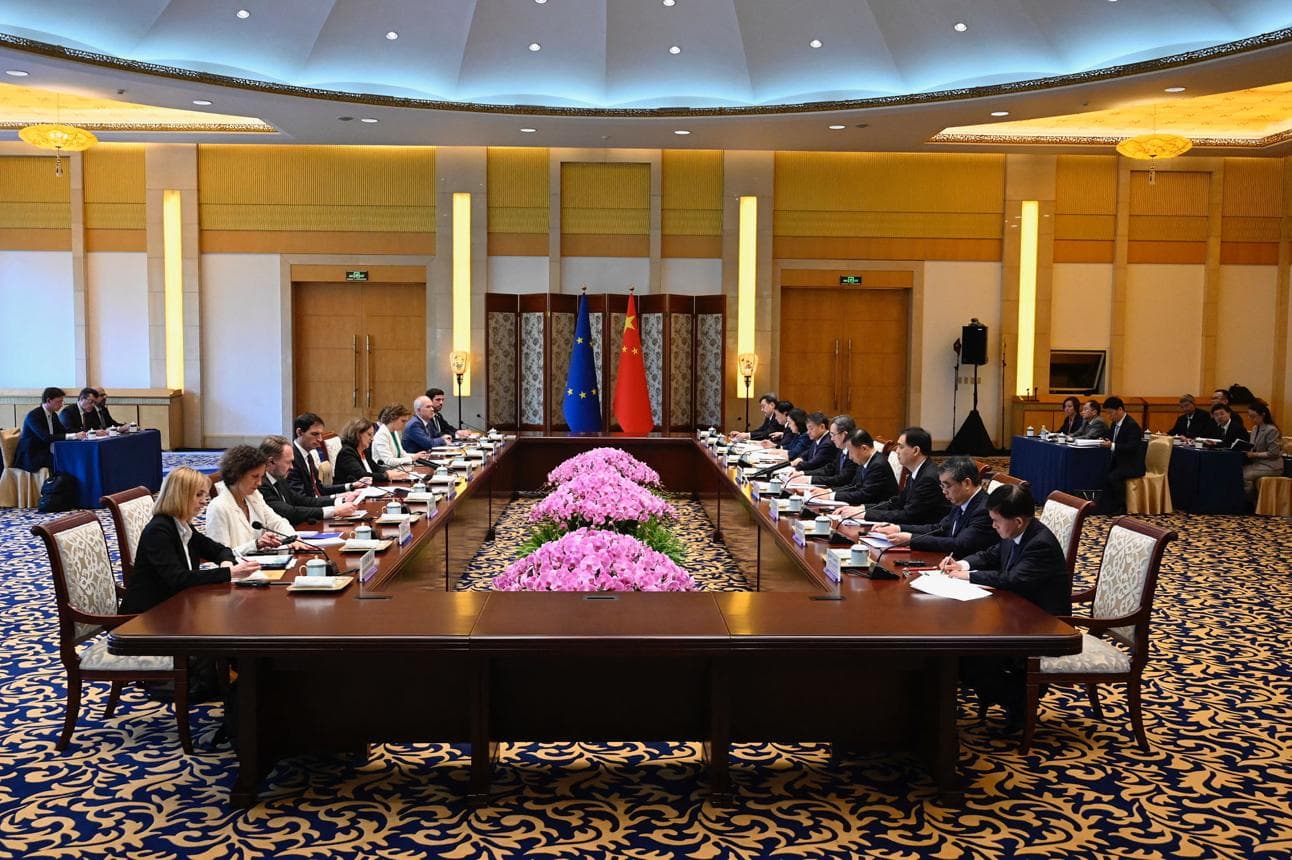
Addis Ababa: When the European Union rebranded its development ambitions as Global Gateway, the pitch was unmistakable. Here, at last, was a democratic answer to China’s Belt and Road, a headline promise of some 300 billion euros that European money, European standards and European transparency would lay the roads, cables and power lines on which Africa’s growth depends. Four years on, the gap between that promise and its delivery has quietly become the most uncomfortable conversation in the partnership.

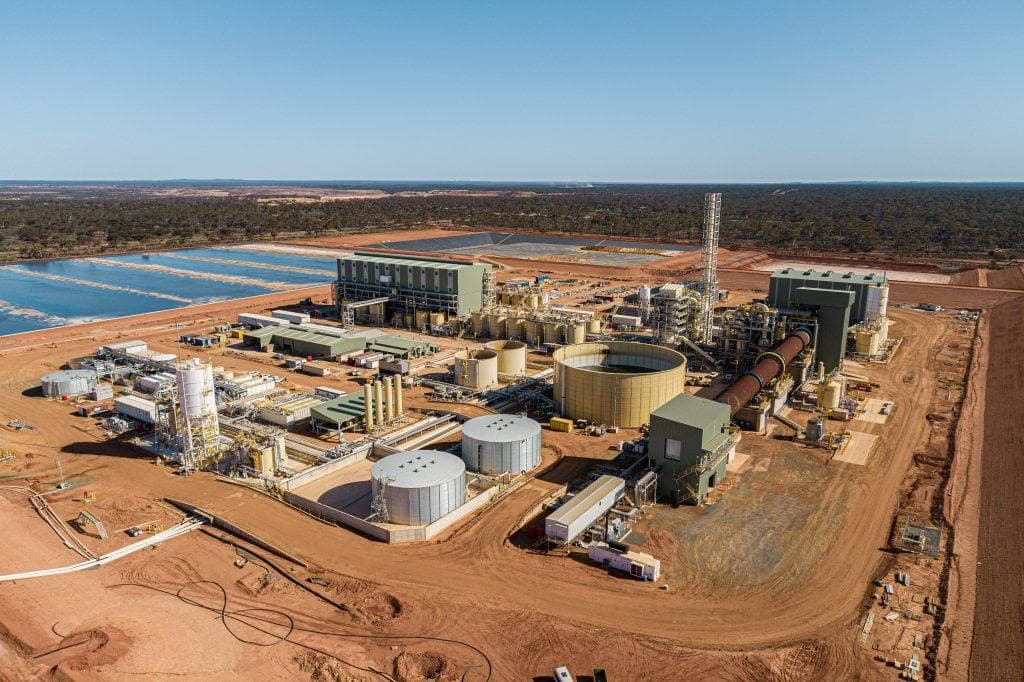
The arithmetic is unforgiving. The African continent faces an infrastructure financing gap estimated at close to 100 billion dollars a year, stretching across power, logistics and digital connectivity. Against that need, Europe’s instrument can look more like a relabelling exercise than a step change. In December 2025 member states endorsed a list of 256 flagship projects for 2026, yet that catalogue introduced no genuinely new initiatives, a sign that the programme is consolidating rather than expanding at the moment its rivals are accelerating.

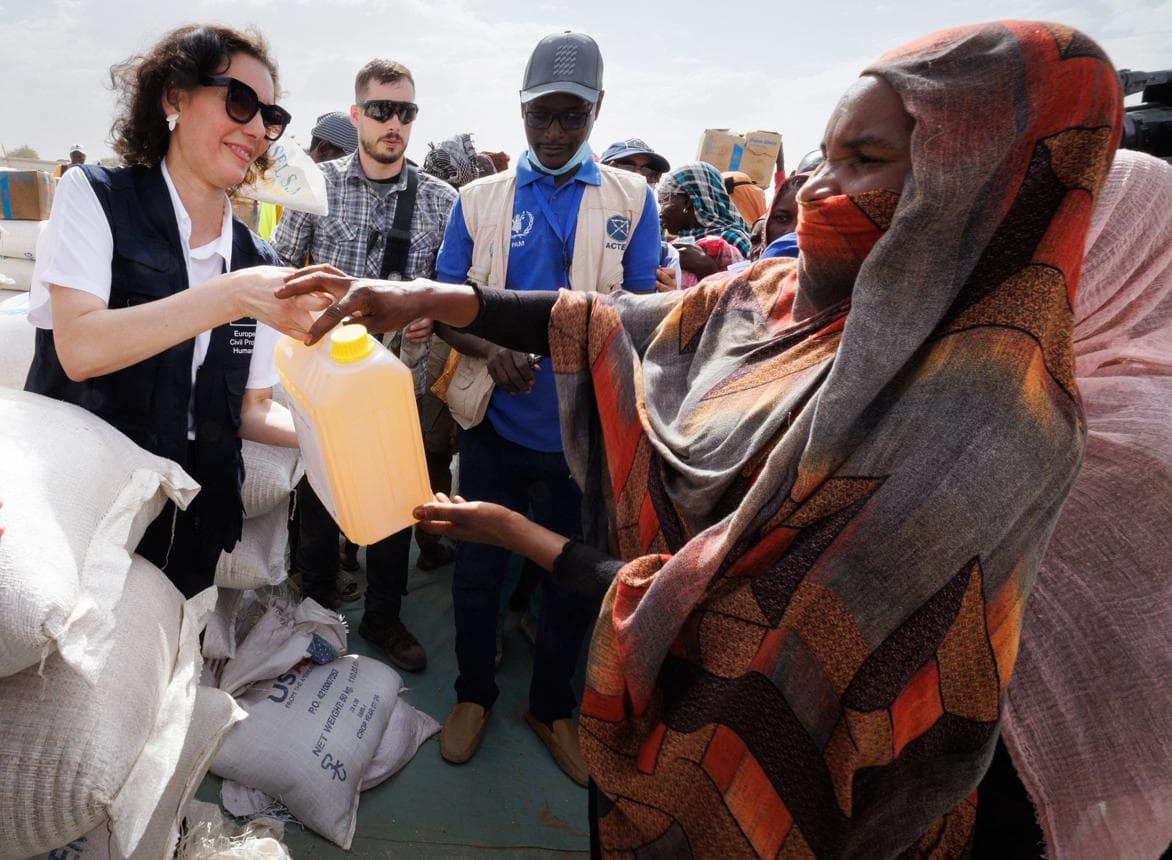
Brussels prefers to talk about momentum, and there is some. The Commission and Smart Africa have signed a grant agreement to build an African-owned data governance framework, co-funded with Germany, alongside arrangements to deploy more secure and affordable networks. The European Union and the African Union have layered three new health initiatives worth over 100 million euros onto their partnership, aimed at pandemic preparedness and national public health institutes. Agriculture ministers from both unions have kept their dialogue alive around climate-resilient value chains. These are real, if modest, commitments.

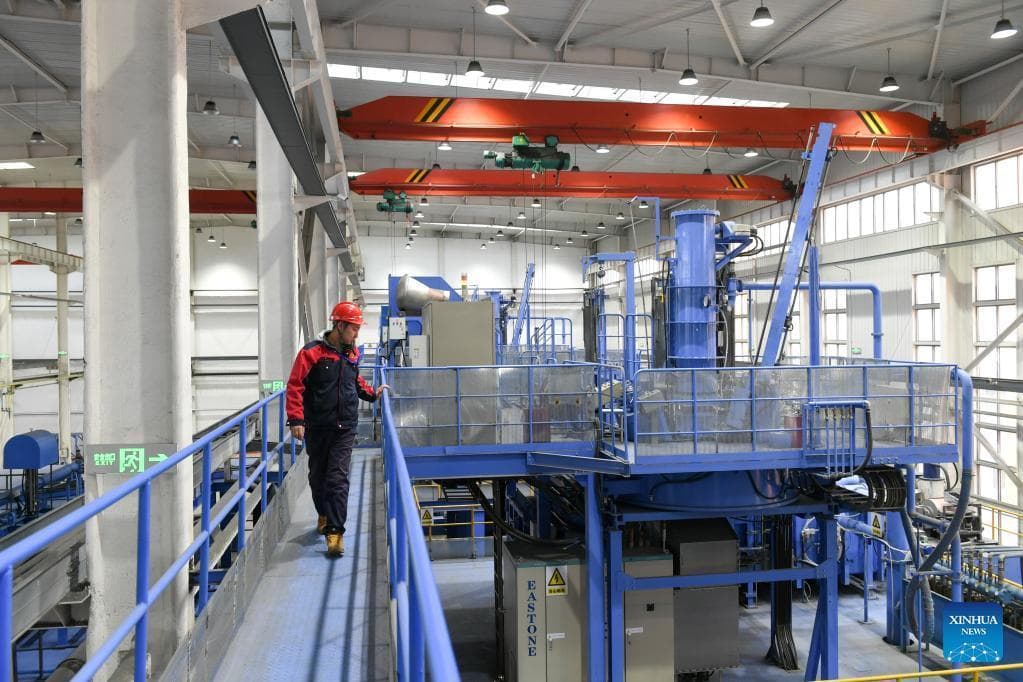
The trouble is structural, and European lawmakers have stopped pretending otherwise. A parliamentary report adopted this spring questioned the programme’s oversight in unusually blunt terms, and members went further still, demanding an investigation into the reported involvement of Chinese firms in Global Gateway-funded work, a direct contradiction of the scheme’s founding rationale. If the European alternative to Beijing is itself subcontracting to Beijing, the political story collapses.

Beneath that embarrassment sits a more familiar European weakness. Funding mechanisms remain slow, fragmented and bureaucratic. Project pipelines are assembled in Brussels rather than in the capitals that will live with the results. Member states have been reluctant to put their own capital behind the collective banner, leaving the European Investment Bank and a handful of development institutions to stretch guarantees across an impossibly wide map. The contrast with China is less about the size of the cheque than about the speed of the signature.

None of this means Global Gateway is failing on its own terms. Europe is right to insist that debt sustainability, labour standards and local consultation matter, and African governments that have watched opaque loans curdle into leverage know the difference. The danger is that virtue arrives too late to count. Infrastructure decisions made this decade will shape alignments for a generation, and partners weighing a fast, unconditional offer against a slow, principled one do not always wait for principle.

The fix is not another summit communique. It is disbursement, the unglamorous business of moving approved money into poured concrete and switched-on grids. Until the gap between pledge and payment narrows, Europe’s Africa strategy will keep being judged not by what it promises in Addis Ababa or Brussels, but by what fails to arrive.