August 10, 2026
LATEST
Five Joint Defence Projects Launch Europe’s Military ShieldElectrification Plan Aims to Make Europe First Electro ContinentHorizon Europe Budget Fight Heats Up as Ministers Push BackGoogle’s DMA Fine Sets Off a Transatlantic Tariff ClashTwenty New University Alliances Join Erasmus for Two YearsForeign Subsidies Case Puts Temu in the EU’s SightsVan Tachographs Now Mandatory for Cross-Border FleetsStress Test Exposes Gaps in Euro Area Bank DefencesEurope Bets on a Gulf Partnership Before the Riyadh SummitWhy the Atlantic Route Now Runs Through MauritaniaKyiv and Chisinau Advance as the EU Accession Talks Gather PaceEurope’s New Digital Border System Beds In After a Rocky RolloutBrussels Mounts Its Largest Wildfire Response as the Fires SpreadRetail Spending Slipped in June, Wrong-Footing EconomistsHeatwave Warning Puts Brussels on Alert for Vulnerable GroupsKANAL’s 230 Million Euro Museum Sets a November Opening DatePension Savings Rules Get a Reset as the EU Scraps the 1% CapMedicine Shortages Move to the Heart of Europe’s Pharma ResetJapan Becomes Europe’s Closest Security Partner in AsiaCan Europe’s New Zealand Deal Anchor It in the Pacific?Five Joint Defence Projects Launch Europe’s Military ShieldElectrification Plan Aims to Make Europe First Electro ContinentHorizon Europe Budget Fight Heats Up as Ministers Push BackGoogle’s DMA Fine Sets Off a Transatlantic Tariff ClashTwenty New University Alliances Join Erasmus for Two YearsForeign Subsidies Case Puts Temu in the EU’s SightsVan Tachographs Now Mandatory for Cross-Border FleetsStress Test Exposes Gaps in Euro Area Bank DefencesEurope Bets on a Gulf Partnership Before the Riyadh SummitWhy the Atlantic Route Now Runs Through MauritaniaKyiv and Chisinau Advance as the EU Accession Talks Gather PaceEurope’s New Digital Border System Beds In After a Rocky RolloutBrussels Mounts Its Largest Wildfire Response as the Fires SpreadRetail Spending Slipped in June, Wrong-Footing EconomistsHeatwave Warning Puts Brussels on Alert for Vulnerable GroupsKANAL’s 230 Million Euro Museum Sets a November Opening DatePension Savings Rules Get a Reset as the EU Scraps the 1% CapMedicine Shortages Move to the Heart of Europe’s Pharma ResetJapan Becomes Europe’s Closest Security Partner in AsiaCan Europe’s New Zealand Deal Anchor It in the Pacific?
August 10, 2026
LATEST
Five Joint Defence Projects Launch Europe’s Military ShieldElectrification Plan Aims to Make Europe First Electro ContinentHorizon Europe Budget Fight Heats Up as Ministers Push BackGoogle’s DMA Fine Sets Off a Transatlantic Tariff ClashTwenty New University Alliances Join Erasmus for Two YearsForeign Subsidies Case Puts Temu in the EU’s SightsVan Tachographs Now Mandatory for Cross-Border FleetsStress Test Exposes Gaps in Euro Area Bank DefencesEurope Bets on a Gulf Partnership Before the Riyadh SummitWhy the Atlantic Route Now Runs Through MauritaniaKyiv and Chisinau Advance as the EU Accession Talks Gather PaceEurope’s New Digital Border System Beds In After a Rocky RolloutBrussels Mounts Its Largest Wildfire Response as the Fires SpreadRetail Spending Slipped in June, Wrong-Footing EconomistsHeatwave Warning Puts Brussels on Alert for Vulnerable GroupsKANAL’s 230 Million Euro Museum Sets a November Opening DatePension Savings Rules Get a Reset as the EU Scraps the 1% CapMedicine Shortages Move to the Heart of Europe’s Pharma ResetJapan Becomes Europe’s Closest Security Partner in AsiaCan Europe’s New Zealand Deal Anchor It in the Pacific?Five Joint Defence Projects Launch Europe’s Military ShieldElectrification Plan Aims to Make Europe First Electro ContinentHorizon Europe Budget Fight Heats Up as Ministers Push BackGoogle’s DMA Fine Sets Off a Transatlantic Tariff ClashTwenty New University Alliances Join Erasmus for Two YearsForeign Subsidies Case Puts Temu in the EU’s SightsVan Tachographs Now Mandatory for Cross-Border FleetsStress Test Exposes Gaps in Euro Area Bank DefencesEurope Bets on a Gulf Partnership Before the Riyadh SummitWhy the Atlantic Route Now Runs Through MauritaniaKyiv and Chisinau Advance as the EU Accession Talks Gather PaceEurope’s New Digital Border System Beds In After a Rocky RolloutBrussels Mounts Its Largest Wildfire Response as the Fires SpreadRetail Spending Slipped in June, Wrong-Footing EconomistsHeatwave Warning Puts Brussels on Alert for Vulnerable GroupsKANAL’s 230 Million Euro Museum Sets a November Opening DatePension Savings Rules Get a Reset as the EU Scraps the 1% CapMedicine Shortages Move to the Heart of Europe’s Pharma ResetJapan Becomes Europe’s Closest Security Partner in AsiaCan Europe’s New Zealand Deal Anchor It in the Pacific?

Repair Advocates Fear Their Cause Is Slipping From The Rulebook

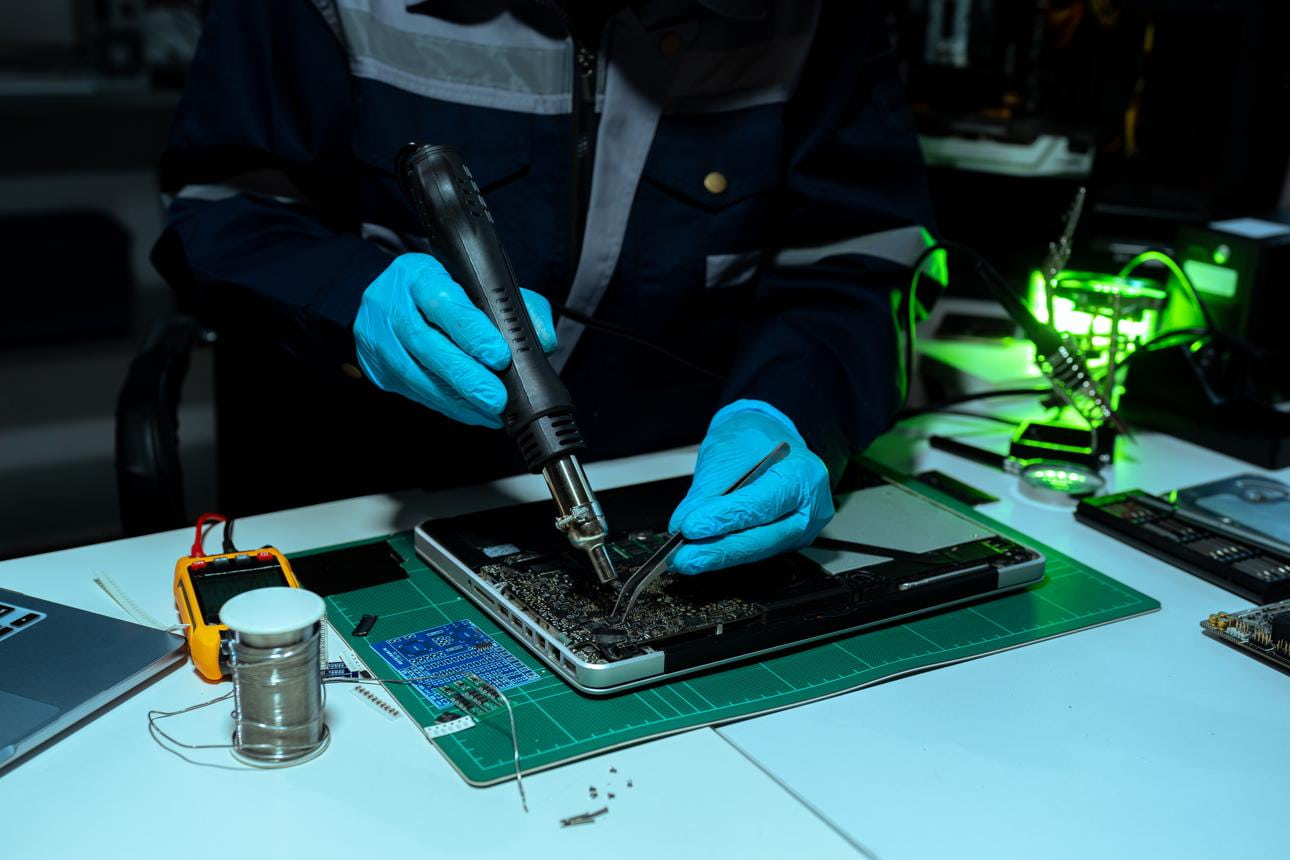
Turin: The Circular Economy Act was supposed to be the moment Europe stopped talking about waste and started designing it out. As the Commission moves toward a legislative proposal expected later this year, the campaigners who spent years pushing repair and reuse up the agenda are warning that the very ideas at the heart of their argument are thinning out of the draft.

The Act is the Commission’s attempt to fold a sprawling set of ambitions into a single instrument, one that would tie product design to resource security, reduce the bloc’s dependence on imported raw materials, and nudge manufacturers toward business models that keep goods in use rather than in landfill. After a call for evidence and a public consultation that closed in November, officials have been refining the text through stakeholder workshops. It was at the last of those that the alarm went up. The Right to Repair coalition, which had treated the Act as the natural vehicle for entrenching repairability, came away saying repair and reuse were largely absent from what they saw.

The concern is not abstract. The Union already has a Right to Repair directive on its books, obliging member states to make repair easier and to give consumers access to spare parts and information. But a directive depends on national transposition, and its reach is bounded by the product categories it covers. Advocates had hoped the Circular Economy Act would go further, embedding durability and reparability into design rules at the source, so that a phone or a washing machine arrives in the shop already built to be fixed rather than discarded. A framework that gestures at circularity while leaving repair as an afterthought, they argue, risks codifying the recycling-first thinking the Act was meant to move beyond.

That distinction matters more than it sounds. Recycling recovers materials but consumes energy and almost always yields something of lower value than the original. Keeping a product whole and working, by contrast, preserves the labour and resources already invested in it. The hierarchy is well understood inside the Commission, which has long placed reuse and repair above recycling in its own waste pyramid. The fear among campaigners is that industry resistance to design obligations, which impose real costs on manufacturers, is quietly pulling the proposal back down that pyramid toward the cheaper, more familiar ground of materials recovery.

Manufacturers see the trade-offs differently. Design mandates can raise production costs, complicate supply chains, and, some warn, slow the introduction of new products. The Act has to reconcile those commercial realities with the bloc’s competitiveness agenda, which itself leans on circularity as a hedge against the price shocks and supply risks of raw material dependence. The result is a drafting process pulled between two visions of what circularity means in practice.

The proposal is not yet public, and campaigners acknowledge the text can still shift before it lands. What they are signalling now, loudly and early, is that they will judge the Act by a single test. Whether, when it finally appears, the easiest thing to do with a broken product in Europe is to fix it.