August 10, 2026
LATEST
Five Joint Defence Projects Launch Europe’s Military ShieldElectrification Plan Aims to Make Europe First Electro ContinentHorizon Europe Budget Fight Heats Up as Ministers Push BackGoogle’s DMA Fine Sets Off a Transatlantic Tariff ClashTwenty New University Alliances Join Erasmus for Two YearsForeign Subsidies Case Puts Temu in the EU’s SightsVan Tachographs Now Mandatory for Cross-Border FleetsStress Test Exposes Gaps in Euro Area Bank DefencesEurope Bets on a Gulf Partnership Before the Riyadh SummitWhy the Atlantic Route Now Runs Through MauritaniaKyiv and Chisinau Advance as the EU Accession Talks Gather PaceEurope’s New Digital Border System Beds In After a Rocky RolloutBrussels Mounts Its Largest Wildfire Response as the Fires SpreadRetail Spending Slipped in June, Wrong-Footing EconomistsHeatwave Warning Puts Brussels on Alert for Vulnerable GroupsKANAL’s 230 Million Euro Museum Sets a November Opening DatePension Savings Rules Get a Reset as the EU Scraps the 1% CapMedicine Shortages Move to the Heart of Europe’s Pharma ResetJapan Becomes Europe’s Closest Security Partner in AsiaCan Europe’s New Zealand Deal Anchor It in the Pacific?Five Joint Defence Projects Launch Europe’s Military ShieldElectrification Plan Aims to Make Europe First Electro ContinentHorizon Europe Budget Fight Heats Up as Ministers Push BackGoogle’s DMA Fine Sets Off a Transatlantic Tariff ClashTwenty New University Alliances Join Erasmus for Two YearsForeign Subsidies Case Puts Temu in the EU’s SightsVan Tachographs Now Mandatory for Cross-Border FleetsStress Test Exposes Gaps in Euro Area Bank DefencesEurope Bets on a Gulf Partnership Before the Riyadh SummitWhy the Atlantic Route Now Runs Through MauritaniaKyiv and Chisinau Advance as the EU Accession Talks Gather PaceEurope’s New Digital Border System Beds In After a Rocky RolloutBrussels Mounts Its Largest Wildfire Response as the Fires SpreadRetail Spending Slipped in June, Wrong-Footing EconomistsHeatwave Warning Puts Brussels on Alert for Vulnerable GroupsKANAL’s 230 Million Euro Museum Sets a November Opening DatePension Savings Rules Get a Reset as the EU Scraps the 1% CapMedicine Shortages Move to the Heart of Europe’s Pharma ResetJapan Becomes Europe’s Closest Security Partner in AsiaCan Europe’s New Zealand Deal Anchor It in the Pacific?
August 10, 2026
LATEST
Five Joint Defence Projects Launch Europe’s Military ShieldElectrification Plan Aims to Make Europe First Electro ContinentHorizon Europe Budget Fight Heats Up as Ministers Push BackGoogle’s DMA Fine Sets Off a Transatlantic Tariff ClashTwenty New University Alliances Join Erasmus for Two YearsForeign Subsidies Case Puts Temu in the EU’s SightsVan Tachographs Now Mandatory for Cross-Border FleetsStress Test Exposes Gaps in Euro Area Bank DefencesEurope Bets on a Gulf Partnership Before the Riyadh SummitWhy the Atlantic Route Now Runs Through MauritaniaKyiv and Chisinau Advance as the EU Accession Talks Gather PaceEurope’s New Digital Border System Beds In After a Rocky RolloutBrussels Mounts Its Largest Wildfire Response as the Fires SpreadRetail Spending Slipped in June, Wrong-Footing EconomistsHeatwave Warning Puts Brussels on Alert for Vulnerable GroupsKANAL’s 230 Million Euro Museum Sets a November Opening DatePension Savings Rules Get a Reset as the EU Scraps the 1% CapMedicine Shortages Move to the Heart of Europe’s Pharma ResetJapan Becomes Europe’s Closest Security Partner in AsiaCan Europe’s New Zealand Deal Anchor It in the Pacific?Five Joint Defence Projects Launch Europe’s Military ShieldElectrification Plan Aims to Make Europe First Electro ContinentHorizon Europe Budget Fight Heats Up as Ministers Push BackGoogle’s DMA Fine Sets Off a Transatlantic Tariff ClashTwenty New University Alliances Join Erasmus for Two YearsForeign Subsidies Case Puts Temu in the EU’s SightsVan Tachographs Now Mandatory for Cross-Border FleetsStress Test Exposes Gaps in Euro Area Bank DefencesEurope Bets on a Gulf Partnership Before the Riyadh SummitWhy the Atlantic Route Now Runs Through MauritaniaKyiv and Chisinau Advance as the EU Accession Talks Gather PaceEurope’s New Digital Border System Beds In After a Rocky RolloutBrussels Mounts Its Largest Wildfire Response as the Fires SpreadRetail Spending Slipped in June, Wrong-Footing EconomistsHeatwave Warning Puts Brussels on Alert for Vulnerable GroupsKANAL’s 230 Million Euro Museum Sets a November Opening DatePension Savings Rules Get a Reset as the EU Scraps the 1% CapMedicine Shortages Move to the Heart of Europe’s Pharma ResetJapan Becomes Europe’s Closest Security Partner in AsiaCan Europe’s New Zealand Deal Anchor It in the Pacific?

Brussels Wants Its Own Rulebook For A Crowded Final Frontier

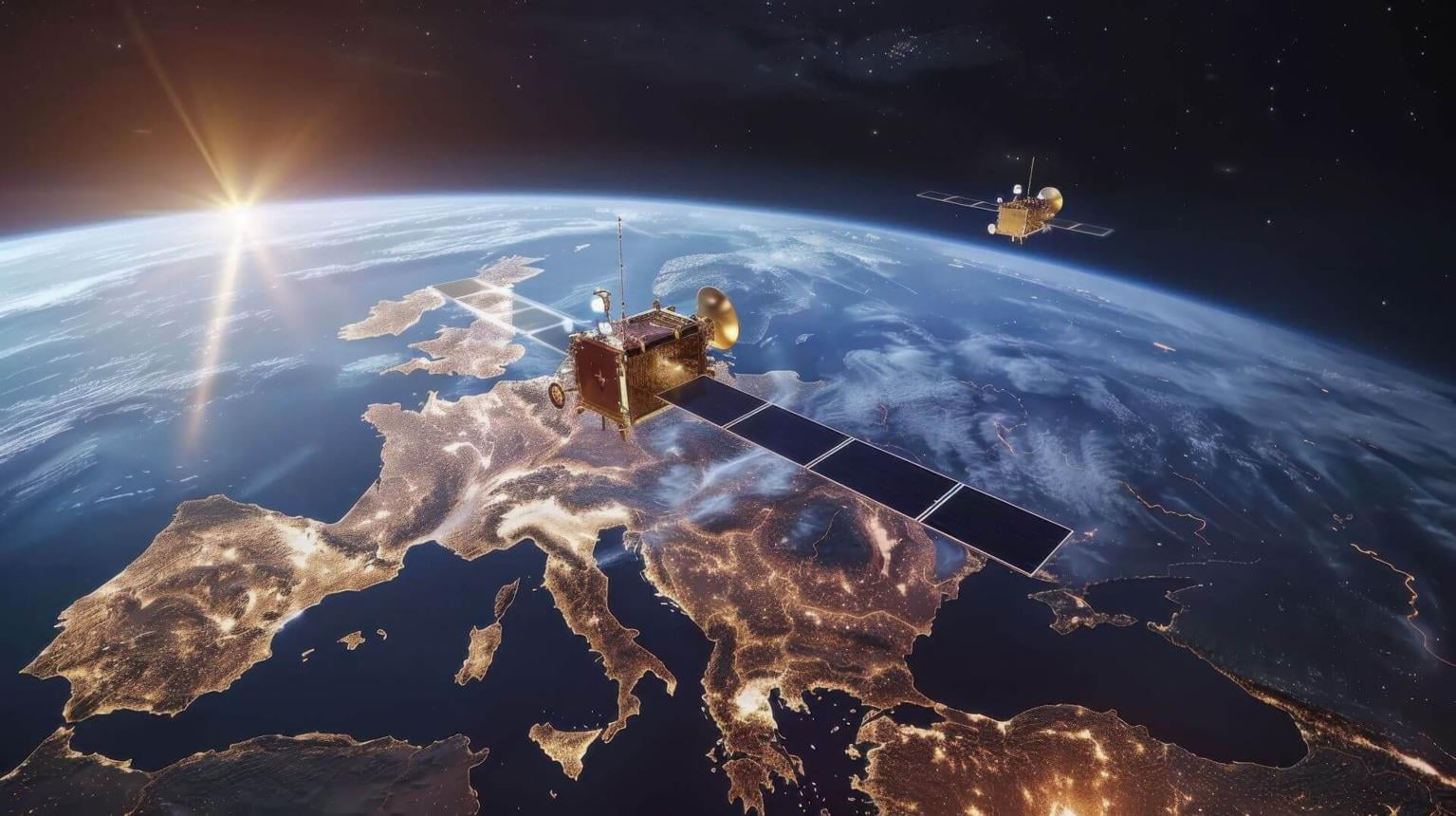
Brussels: Space used to be the preserve of a handful of national agencies and a tidy club of governments. It is now a congested, commercial and contested place, and the European Union has decided it can no longer leave the rules to chance. A proposed single set of EU space regulations would, for the first time, write common requirements on safety, resilience and environmental sustainability for satellites and launches across the bloc, replacing the patchwork of national regimes that operators currently navigate.

The case for harmonisation is partly economic. A European company building small satellites today can face different licensing, liability and debris rules depending on which member state it operates from, a fragmentation that adds cost and deters the very start-ups Europe says it wants. A single framework, supporters argue, would do for the space sector what earlier single-market reforms did for goods and services, giving firms one rulebook and one market of nearly half a billion people behind them.

Resilience is the second driver, and the more strategic one. Modern economies run on signals from orbit, from precise timing for payment systems to navigation, weather forecasting and secure government communications. Officials increasingly treat satellites as critical infrastructure to be defended, not gadgets to be admired, and point to jamming, spoofing and the threat of anti-satellite weapons as reasons to harden the entire chain. The bloc’s own secure connectivity constellation, designed to give governments sovereign communications independent of any single foreign provider, sits at the centre of that ambition.

Then there is the rubbish. Decades of launches have left orbit cluttered with spent stages and dead spacecraft, and the arrival of mega-constellations numbering thousands of satellites has sharpened fears of cascading collisions that could render useful orbits unusable. The proposed rules would push operators toward responsible disposal, collision avoidance and tighter tracking, an attempt to make sustainability a condition of doing business rather than an afterthought. Europe, lacking the launch cadence of its larger rivals, is betting that it can lead on standards even where it cannot yet lead on volume.

Not everyone is cheering. Smaller operators and national agencies worry that compliance costs could fall hardest on the start-ups the policy claims to champion, and that a heavy-handed regime might entrench the incumbents it was meant to challenge. Some capitals guard their space prerogatives jealously and bristle at Brussels writing rules over a domain long tied to national prestige and defence. The negotiations ahead between governments and the Parliament will turn on how much is mandated centrally and how much is left to member states.

The wider contest is impossible to ignore. American and Chinese constellations are reshaping who controls the data flowing down from the sky, and Europe fears becoming a customer rather than a player. Writing its own rulebook is, in part, a declaration that it intends to remain one.