August 10, 2026
LATEST
After Nine Years, Europe and Australia Seal a Trade PactBeijing Answers Europe’s Russia Sanctions in KindOne Year On, the EU-Japan Alliance Faces Its First TestEurope’s Chip Ambitions Still Run Through Taiwan’s FabsWhy South Korea Bet Its Research Future on Europe’s ProgrammeEurope and Japan Deepen Their Economic Alliance as Rivals CircleFive Joint Defence Projects Launch Europe’s Military ShieldElectrification Plan Aims to Make Europe First Electro ContinentHorizon Europe Budget Fight Heats Up as Ministers Push BackGoogle’s DMA Fine Sets Off a Transatlantic Tariff ClashTwenty New University Alliances Join Erasmus for Two YearsForeign Subsidies Case Puts Temu in the EU’s SightsVan Tachographs Now Mandatory for Cross-Border FleetsStress Test Exposes Gaps in Euro Area Bank DefencesEurope Bets on a Gulf Partnership Before the Riyadh SummitWhy the Atlantic Route Now Runs Through MauritaniaKyiv and Chisinau Advance as the EU Accession Talks Gather PaceEurope’s New Digital Border System Beds In After a Rocky RolloutBrussels Mounts Its Largest Wildfire Response as the Fires SpreadRetail Spending Slipped in June, Wrong-Footing EconomistsAfter Nine Years, Europe and Australia Seal a Trade PactBeijing Answers Europe’s Russia Sanctions in KindOne Year On, the EU-Japan Alliance Faces Its First TestEurope’s Chip Ambitions Still Run Through Taiwan’s FabsWhy South Korea Bet Its Research Future on Europe’s ProgrammeEurope and Japan Deepen Their Economic Alliance as Rivals CircleFive Joint Defence Projects Launch Europe’s Military ShieldElectrification Plan Aims to Make Europe First Electro ContinentHorizon Europe Budget Fight Heats Up as Ministers Push BackGoogle’s DMA Fine Sets Off a Transatlantic Tariff ClashTwenty New University Alliances Join Erasmus for Two YearsForeign Subsidies Case Puts Temu in the EU’s SightsVan Tachographs Now Mandatory for Cross-Border FleetsStress Test Exposes Gaps in Euro Area Bank DefencesEurope Bets on a Gulf Partnership Before the Riyadh SummitWhy the Atlantic Route Now Runs Through MauritaniaKyiv and Chisinau Advance as the EU Accession Talks Gather PaceEurope’s New Digital Border System Beds In After a Rocky RolloutBrussels Mounts Its Largest Wildfire Response as the Fires SpreadRetail Spending Slipped in June, Wrong-Footing Economists
August 10, 2026
LATEST
After Nine Years, Europe and Australia Seal a Trade PactBeijing Answers Europe’s Russia Sanctions in KindOne Year On, the EU-Japan Alliance Faces Its First TestEurope’s Chip Ambitions Still Run Through Taiwan’s FabsWhy South Korea Bet Its Research Future on Europe’s ProgrammeEurope and Japan Deepen Their Economic Alliance as Rivals CircleFive Joint Defence Projects Launch Europe’s Military ShieldElectrification Plan Aims to Make Europe First Electro ContinentHorizon Europe Budget Fight Heats Up as Ministers Push BackGoogle’s DMA Fine Sets Off a Transatlantic Tariff ClashTwenty New University Alliances Join Erasmus for Two YearsForeign Subsidies Case Puts Temu in the EU’s SightsVan Tachographs Now Mandatory for Cross-Border FleetsStress Test Exposes Gaps in Euro Area Bank DefencesEurope Bets on a Gulf Partnership Before the Riyadh SummitWhy the Atlantic Route Now Runs Through MauritaniaKyiv and Chisinau Advance as the EU Accession Talks Gather PaceEurope’s New Digital Border System Beds In After a Rocky RolloutBrussels Mounts Its Largest Wildfire Response as the Fires SpreadRetail Spending Slipped in June, Wrong-Footing EconomistsAfter Nine Years, Europe and Australia Seal a Trade PactBeijing Answers Europe’s Russia Sanctions in KindOne Year On, the EU-Japan Alliance Faces Its First TestEurope’s Chip Ambitions Still Run Through Taiwan’s FabsWhy South Korea Bet Its Research Future on Europe’s ProgrammeEurope and Japan Deepen Their Economic Alliance as Rivals CircleFive Joint Defence Projects Launch Europe’s Military ShieldElectrification Plan Aims to Make Europe First Electro ContinentHorizon Europe Budget Fight Heats Up as Ministers Push BackGoogle’s DMA Fine Sets Off a Transatlantic Tariff ClashTwenty New University Alliances Join Erasmus for Two YearsForeign Subsidies Case Puts Temu in the EU’s SightsVan Tachographs Now Mandatory for Cross-Border FleetsStress Test Exposes Gaps in Euro Area Bank DefencesEurope Bets on a Gulf Partnership Before the Riyadh SummitWhy the Atlantic Route Now Runs Through MauritaniaKyiv and Chisinau Advance as the EU Accession Talks Gather PaceEurope’s New Digital Border System Beds In After a Rocky RolloutBrussels Mounts Its Largest Wildfire Response as the Fires SpreadRetail Spending Slipped in June, Wrong-Footing Economists

Eurogroup Targets Banking Scale Gap as Consolidation Talks Stall

Eurozone finance ministers turned their attention to a stubborn structural weakness when they sat down on 4 May in the Eurogroup’s regular configuration: the inability of the bloc’s banks to scale across national borders. The discussion, framed around an exchange with European Banking Federation president Slawomir Krupa, made clear that the Single Market for capital and credit remains tethered to legacy national regimes that supervisors and ministers are increasingly impatient with.

Cross-border consolidation has been an open file since the launch of the banking union, but Eurogroup president Paschal Donohoe has used recent months to push the political debate from theory to mechanics. Ministers reviewed barriers that prevent a Spanish or German bank from operating capital, liquidity and resolution buffers across subsidiaries with the same flexibility a US bank holding company would take for granted. The figures behind the conversation are sobering: a single American institution can hold more in technology spending than the combined IT budgets of several mid-sized European peers, leaving competitors smaller, less digital, and less able to fund cybersecurity and artificial intelligence integration on the scale supervisors now demand.

That diagnostic feeds into the next political move, which is the so-called 28th regime for European companies. Ministers received an update on technical work led by former Commerzbank chief executive Joerg Kukies and Banque de France honorary governor Christian Noyer, who were tasked with translating the savings and investments union ambitions into actionable recommendations. Their advice covers the financing of innovative enterprises, supplementary pension reforms, and an optional EU-wide corporate framework that companies could choose in place of national company law. Such a regime would not displace national systems but would, in principle, give startups and scale-ups a route to operate, raise funds and consolidate without the patchwork of incorporations that today raises the cost of cross-border growth.

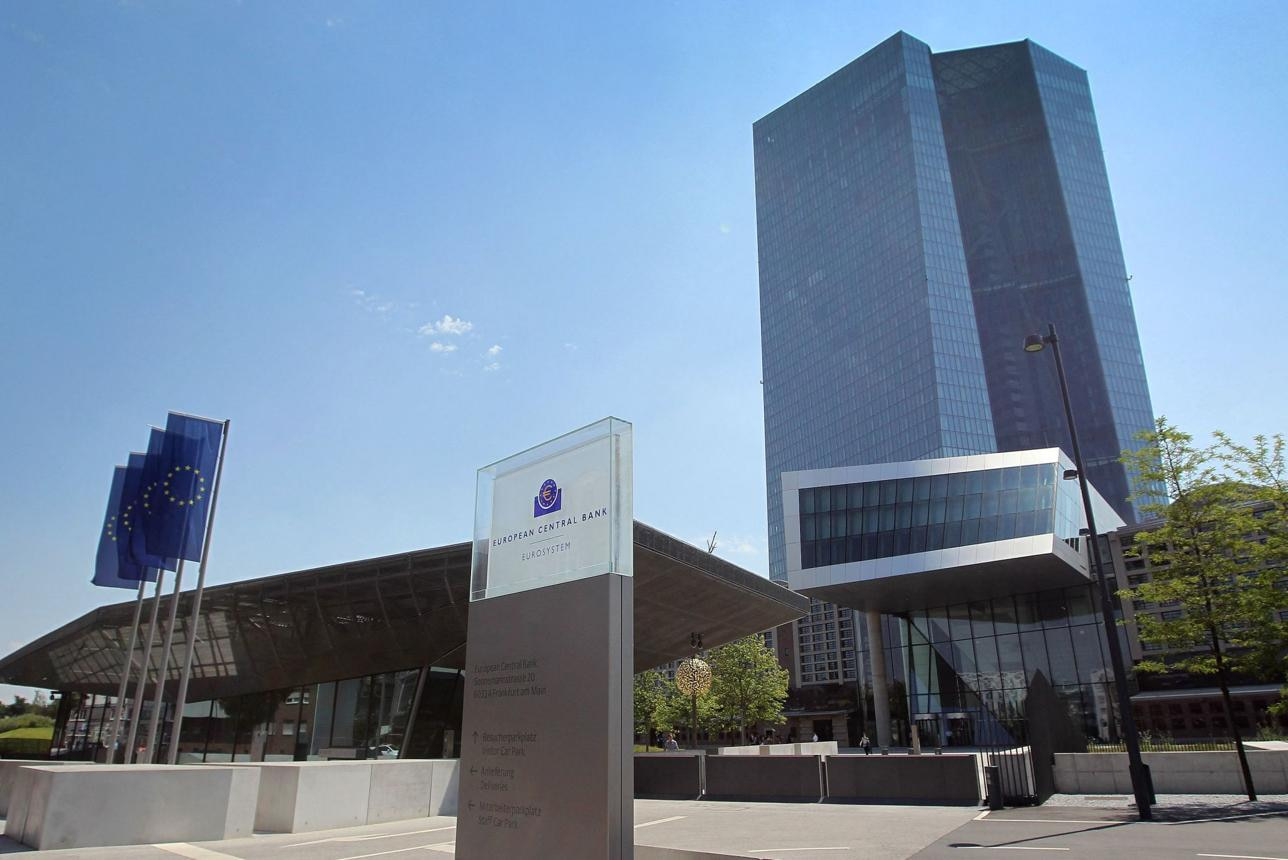
The digital finance workstream took up the second half of the meeting. Officials reported progress on aligning rules for tokenisation, distributed-ledger pilots and the interoperability of supervisory data, all of which form the connective tissue between the banking union and the markets union. The Eurogroup is also watching how the European Central Bank’s preparatory phase for the digital euro feeds into the broader question of whether retail and wholesale payments can rest on a common European infrastructure.

International risks shaped the wider context. Oya Celasun, deputy director of the International Monetary Fund’s European Department, walked ministers through the Fund’s preliminary assessment of how renewed Middle East tensions are likely to weigh on growth, energy bills and the inflation outlook. The IMF’s caution dovetailed with the European Central Bank’s April decision to leave rates unchanged while signalling that upside inflation risks and downside growth risks had both intensified. For finance ministers exiting a year of cautious recovery, that combination keeps fiscal space politically constrained.

What emerges is a Eurogroup with sharper objectives than at any point since the pandemic recovery instruments matured. Ministers are no longer arguing about whether banking and capital union are needed; they are testing whether the political coalition is strong enough to lift the national vetoes that have always blocked them. A draft set of operational conclusions is expected before the summer break, and the next test will be whether finance ministers can convert today’s diagnostic clarity into a credible legislative path before the autumn budget cycle reopens national rivalries.