August 10, 2026
LATEST
Five Joint Defence Projects Launch Europe’s Military ShieldElectrification Plan Aims to Make Europe First Electro ContinentHorizon Europe Budget Fight Heats Up as Ministers Push BackGoogle’s DMA Fine Sets Off a Transatlantic Tariff ClashTwenty New University Alliances Join Erasmus for Two YearsForeign Subsidies Case Puts Temu in the EU’s SightsVan Tachographs Now Mandatory for Cross-Border FleetsStress Test Exposes Gaps in Euro Area Bank DefencesEurope Bets on a Gulf Partnership Before the Riyadh SummitWhy the Atlantic Route Now Runs Through MauritaniaKyiv and Chisinau Advance as the EU Accession Talks Gather PaceEurope’s New Digital Border System Beds In After a Rocky RolloutBrussels Mounts Its Largest Wildfire Response as the Fires SpreadRetail Spending Slipped in June, Wrong-Footing EconomistsHeatwave Warning Puts Brussels on Alert for Vulnerable GroupsKANAL’s 230 Million Euro Museum Sets a November Opening DatePension Savings Rules Get a Reset as the EU Scraps the 1% CapMedicine Shortages Move to the Heart of Europe’s Pharma ResetJapan Becomes Europe’s Closest Security Partner in AsiaCan Europe’s New Zealand Deal Anchor It in the Pacific?Five Joint Defence Projects Launch Europe’s Military ShieldElectrification Plan Aims to Make Europe First Electro ContinentHorizon Europe Budget Fight Heats Up as Ministers Push BackGoogle’s DMA Fine Sets Off a Transatlantic Tariff ClashTwenty New University Alliances Join Erasmus for Two YearsForeign Subsidies Case Puts Temu in the EU’s SightsVan Tachographs Now Mandatory for Cross-Border FleetsStress Test Exposes Gaps in Euro Area Bank DefencesEurope Bets on a Gulf Partnership Before the Riyadh SummitWhy the Atlantic Route Now Runs Through MauritaniaKyiv and Chisinau Advance as the EU Accession Talks Gather PaceEurope’s New Digital Border System Beds In After a Rocky RolloutBrussels Mounts Its Largest Wildfire Response as the Fires SpreadRetail Spending Slipped in June, Wrong-Footing EconomistsHeatwave Warning Puts Brussels on Alert for Vulnerable GroupsKANAL’s 230 Million Euro Museum Sets a November Opening DatePension Savings Rules Get a Reset as the EU Scraps the 1% CapMedicine Shortages Move to the Heart of Europe’s Pharma ResetJapan Becomes Europe’s Closest Security Partner in AsiaCan Europe’s New Zealand Deal Anchor It in the Pacific?
August 10, 2026
LATEST
Five Joint Defence Projects Launch Europe’s Military ShieldElectrification Plan Aims to Make Europe First Electro ContinentHorizon Europe Budget Fight Heats Up as Ministers Push BackGoogle’s DMA Fine Sets Off a Transatlantic Tariff ClashTwenty New University Alliances Join Erasmus for Two YearsForeign Subsidies Case Puts Temu in the EU’s SightsVan Tachographs Now Mandatory for Cross-Border FleetsStress Test Exposes Gaps in Euro Area Bank DefencesEurope Bets on a Gulf Partnership Before the Riyadh SummitWhy the Atlantic Route Now Runs Through MauritaniaKyiv and Chisinau Advance as the EU Accession Talks Gather PaceEurope’s New Digital Border System Beds In After a Rocky RolloutBrussels Mounts Its Largest Wildfire Response as the Fires SpreadRetail Spending Slipped in June, Wrong-Footing EconomistsHeatwave Warning Puts Brussels on Alert for Vulnerable GroupsKANAL’s 230 Million Euro Museum Sets a November Opening DatePension Savings Rules Get a Reset as the EU Scraps the 1% CapMedicine Shortages Move to the Heart of Europe’s Pharma ResetJapan Becomes Europe’s Closest Security Partner in AsiaCan Europe’s New Zealand Deal Anchor It in the Pacific?Five Joint Defence Projects Launch Europe’s Military ShieldElectrification Plan Aims to Make Europe First Electro ContinentHorizon Europe Budget Fight Heats Up as Ministers Push BackGoogle’s DMA Fine Sets Off a Transatlantic Tariff ClashTwenty New University Alliances Join Erasmus for Two YearsForeign Subsidies Case Puts Temu in the EU’s SightsVan Tachographs Now Mandatory for Cross-Border FleetsStress Test Exposes Gaps in Euro Area Bank DefencesEurope Bets on a Gulf Partnership Before the Riyadh SummitWhy the Atlantic Route Now Runs Through MauritaniaKyiv and Chisinau Advance as the EU Accession Talks Gather PaceEurope’s New Digital Border System Beds In After a Rocky RolloutBrussels Mounts Its Largest Wildfire Response as the Fires SpreadRetail Spending Slipped in June, Wrong-Footing EconomistsHeatwave Warning Puts Brussels on Alert for Vulnerable GroupsKANAL’s 230 Million Euro Museum Sets a November Opening DatePension Savings Rules Get a Reset as the EU Scraps the 1% CapMedicine Shortages Move to the Heart of Europe’s Pharma ResetJapan Becomes Europe’s Closest Security Partner in AsiaCan Europe’s New Zealand Deal Anchor It in the Pacific?

Ministers Clash Over Who Should Pocket Europe’s Farm Subsidies

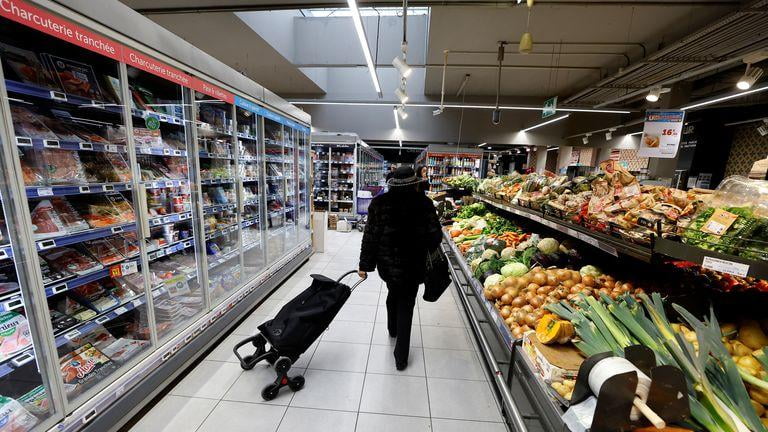
Few questions divide Europe’s agriculture ministers as sharply as a deceptively simple one: should the biggest farms keep collecting the biggest cheques? As talks over the Common Agricultural Policy beyond 2028 gather pace, a proposed cap on payments to large producers has split capitals, pitting arguments about fairness against warnings that limiting support could dent the very food supply the policy exists to protect.

The CAP remains the single largest item in the EU budget, and its core promise has barely changed since its founding. It is meant to keep food supply stable, let farmers earn a reasonable living, support productivity, help tackle climate change and keep rural economies alive. The trouble is that those goals do not always pull in the same direction, and the question of who receives the money exposes the tension most plainly. A large share of direct payments has long flowed to the largest landholders, a pattern critics call regressive and defenders call a reflection of who actually produces Europe’s food.

Greece’s agriculture minister captured the defensive case bluntly, warning that food security can no longer be taken for granted and casting farm support as a tool of strategic autonomy for the bloc. That framing has gained traction as supply shocks, war on the continent’s edge and volatile input costs have made self-sufficiency feel less like an abstraction. In this view, capping payments to big producers risks discouraging exactly the output Europe most needs when global markets turn hostile.

Set against that is a fairness argument that has only grown louder after the farmer protests that swept across member states. Smaller and younger farmers contend that a system funnelling the bulk of support to the largest operators entrenches inequality and starves the next generation of capital. The Commission has responded on a parallel track, pushing simplification measures it values at up to 215 million euro for farmers and national administrations, and leaning on satellite monitoring so that compliance checks rely less on physical farm visits. From 2026, quality assessments will cover only conditions that can be verified remotely, a quiet but meaningful reduction in bureaucratic friction.

The generational question is moving up the agenda in its own right. A dedicated conference on boosting generational renewal and improving access to finance for young farmers is set for 18 and 19 June, an acknowledgement that the average age of Europe’s farmers keeps climbing while too few young people can afford to enter the sector. Access to land and credit, not headline subsidy totals, may prove the harder knot to untie.

None of this resolves the central standoff. A cap that satisfies advocates of redistribution could alienate the large producers who supply a disproportionate share of output, while a system that protects them risks looking indefensible to the smallholders who turned out in tractors to protest. Ministers are, in effect, being asked to decide what the CAP is principally for, and they do not agree.

The post-2028 reform will not be settled quickly, and the early clashes suggest a long negotiation ahead. What is clear is that the comfortable assumption underpinning decades of farm policy, that abundant food is a given, no longer holds the room. Whether the answer lies in capping the largest payments, redirecting money to younger entrants or simply spending more, the debate has shifted from how to distribute surplus to how to secure supply.