August 10, 2026
LATEST
Five Joint Defence Projects Launch Europe’s Military ShieldElectrification Plan Aims to Make Europe First Electro ContinentHorizon Europe Budget Fight Heats Up as Ministers Push BackGoogle’s DMA Fine Sets Off a Transatlantic Tariff ClashTwenty New University Alliances Join Erasmus for Two YearsForeign Subsidies Case Puts Temu in the EU’s SightsVan Tachographs Now Mandatory for Cross-Border FleetsStress Test Exposes Gaps in Euro Area Bank DefencesEurope Bets on a Gulf Partnership Before the Riyadh SummitWhy the Atlantic Route Now Runs Through MauritaniaKyiv and Chisinau Advance as the EU Accession Talks Gather PaceEurope’s New Digital Border System Beds In After a Rocky RolloutBrussels Mounts Its Largest Wildfire Response as the Fires SpreadRetail Spending Slipped in June, Wrong-Footing EconomistsHeatwave Warning Puts Brussels on Alert for Vulnerable GroupsKANAL’s 230 Million Euro Museum Sets a November Opening DatePension Savings Rules Get a Reset as the EU Scraps the 1% CapMedicine Shortages Move to the Heart of Europe’s Pharma ResetJapan Becomes Europe’s Closest Security Partner in AsiaCan Europe’s New Zealand Deal Anchor It in the Pacific?Five Joint Defence Projects Launch Europe’s Military ShieldElectrification Plan Aims to Make Europe First Electro ContinentHorizon Europe Budget Fight Heats Up as Ministers Push BackGoogle’s DMA Fine Sets Off a Transatlantic Tariff ClashTwenty New University Alliances Join Erasmus for Two YearsForeign Subsidies Case Puts Temu in the EU’s SightsVan Tachographs Now Mandatory for Cross-Border FleetsStress Test Exposes Gaps in Euro Area Bank DefencesEurope Bets on a Gulf Partnership Before the Riyadh SummitWhy the Atlantic Route Now Runs Through MauritaniaKyiv and Chisinau Advance as the EU Accession Talks Gather PaceEurope’s New Digital Border System Beds In After a Rocky RolloutBrussels Mounts Its Largest Wildfire Response as the Fires SpreadRetail Spending Slipped in June, Wrong-Footing EconomistsHeatwave Warning Puts Brussels on Alert for Vulnerable GroupsKANAL’s 230 Million Euro Museum Sets a November Opening DatePension Savings Rules Get a Reset as the EU Scraps the 1% CapMedicine Shortages Move to the Heart of Europe’s Pharma ResetJapan Becomes Europe’s Closest Security Partner in AsiaCan Europe’s New Zealand Deal Anchor It in the Pacific?
August 10, 2026
LATEST
Five Joint Defence Projects Launch Europe’s Military ShieldElectrification Plan Aims to Make Europe First Electro ContinentHorizon Europe Budget Fight Heats Up as Ministers Push BackGoogle’s DMA Fine Sets Off a Transatlantic Tariff ClashTwenty New University Alliances Join Erasmus for Two YearsForeign Subsidies Case Puts Temu in the EU’s SightsVan Tachographs Now Mandatory for Cross-Border FleetsStress Test Exposes Gaps in Euro Area Bank DefencesEurope Bets on a Gulf Partnership Before the Riyadh SummitWhy the Atlantic Route Now Runs Through MauritaniaKyiv and Chisinau Advance as the EU Accession Talks Gather PaceEurope’s New Digital Border System Beds In After a Rocky RolloutBrussels Mounts Its Largest Wildfire Response as the Fires SpreadRetail Spending Slipped in June, Wrong-Footing EconomistsHeatwave Warning Puts Brussels on Alert for Vulnerable GroupsKANAL’s 230 Million Euro Museum Sets a November Opening DatePension Savings Rules Get a Reset as the EU Scraps the 1% CapMedicine Shortages Move to the Heart of Europe’s Pharma ResetJapan Becomes Europe’s Closest Security Partner in AsiaCan Europe’s New Zealand Deal Anchor It in the Pacific?Five Joint Defence Projects Launch Europe’s Military ShieldElectrification Plan Aims to Make Europe First Electro ContinentHorizon Europe Budget Fight Heats Up as Ministers Push BackGoogle’s DMA Fine Sets Off a Transatlantic Tariff ClashTwenty New University Alliances Join Erasmus for Two YearsForeign Subsidies Case Puts Temu in the EU’s SightsVan Tachographs Now Mandatory for Cross-Border FleetsStress Test Exposes Gaps in Euro Area Bank DefencesEurope Bets on a Gulf Partnership Before the Riyadh SummitWhy the Atlantic Route Now Runs Through MauritaniaKyiv and Chisinau Advance as the EU Accession Talks Gather PaceEurope’s New Digital Border System Beds In After a Rocky RolloutBrussels Mounts Its Largest Wildfire Response as the Fires SpreadRetail Spending Slipped in June, Wrong-Footing EconomistsHeatwave Warning Puts Brussels on Alert for Vulnerable GroupsKANAL’s 230 Million Euro Museum Sets a November Opening DatePension Savings Rules Get a Reset as the EU Scraps the 1% CapMedicine Shortages Move to the Heart of Europe’s Pharma ResetJapan Becomes Europe’s Closest Security Partner in AsiaCan Europe’s New Zealand Deal Anchor It in the Pacific?

Two Border Cities Now Carry Europe’s Culture Crown For 2026

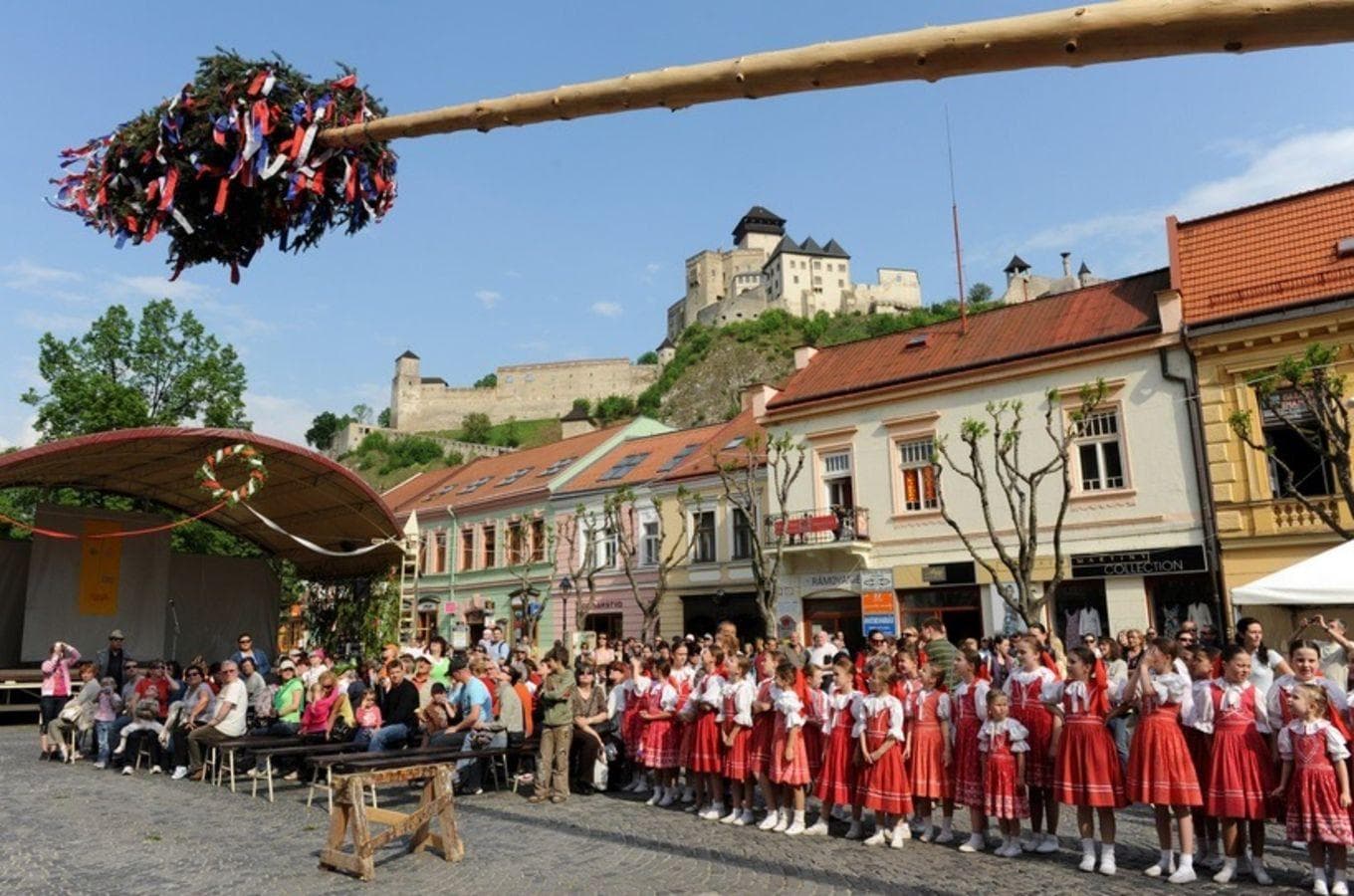
For one year, the European Capital of Culture title belongs to two places that sit at opposite edges of the continent’s imagination. Oulu, a Finnish port near the Arctic Circle, and Trencin, a castle town in western Slovakia, are sharing the 2026 honour, and the contrast between them is precisely the point. The scheme was never meant to crown the obvious metropolis. It exists to push public money and attention toward smaller cities that rarely feature on cultural maps, and to test whether a year of programming can leave behind something durable once the banners come down.

Oulu has built its programme around the deliberately provocative theme of “Cultural Climate Change.” The phrase is a double meaning, gesturing at both the environmental pressures bearing down on the European north and the shift in cultural habits the city hopes to trigger. Trencin, by contrast, has chosen “Curiosity” as its organising idea, framing its year as an exercise in bridge-building between past and future and between neighbours who have not always trusted one another. Its programme opened with a three-day February celebration that turned the whole town into a stage. The thematic distance between an Arctic port and a Carpathian river town is the experiment the Commission wants to run in public.

What makes the title more than a tourism campaign is the requirement that each city demonstrate a European dimension and a credible plan for what follows. Past editions have produced a mixed record. Some host cities used the year to rebuild cultural infrastructure and shift their economies toward the creative sector. Others spent heavily on a festive twelve months and saw the momentum evaporate. The lesson Brussels keeps repeating is that legacy planning, not the opening ceremony, separates the success stories from the expensive disappointments.

The 2026 designations also arrive as the Commission rethinks the wider architecture of cultural policy. A new Culture Compass for Europe sets out the directions officials want to follow as the sector absorbs the shocks of digitalisation, artificial intelligence and shrinking attention spans. Among its flagship actions for this year are an expansion of the DiscoverEU culture routes and a richer cultural offer attached to the youth discount card carried under the Erasmus programme. The DiscoverEU scheme itself has returned with roughly forty thousand free rail passes for young people born between mid-2007 and mid-2008, a small but symbolically loaded attempt to let a generation experience the continent as a single cultural space rather than a patchwork of border checks.

Officials are also drafting a fresh legal basis for the European Capitals of Culture beyond 2033 and for the European Heritage Label, an acknowledgement that the current rules will soon expire. That timing matters. The programmes command genuine public affection but modest budgets, and they are vulnerable whenever member states sit down to fight over the next long-term spending plan. Culture is rarely the line that ministers defend most fiercely when the numbers get tight.

The harder question is whether year-long titles and free train tickets can answer the anxieties the Culture Compass itself names. A festival year cannot, on its own, reverse the commercial squeeze on independent venues or the dominance of a handful of streaming platforms. What Oulu and Trencin can do is offer proof of concept: evidence that culture funded as public infrastructure, rather than as decoration, still draws people in. Whether that proof translates into sustained investment is a decision that will be made not in either city, but around the budget table in Brussels.