One figure sits at the heart of Europe’s next big environmental law, and it is unforgiving. The bloc currently recirculates roughly 12% of the materials it uses, a measure known as the circularity rate. The forthcoming Circular Economy Act asks Europe to double that to 24% by 2030, and the credibility of the entire project rests on whether that leap is achievable within four years.
The Commission is preparing the Act as a centrepiece of its push to move the economy away from a linear take, make and waste model toward one that keeps materials in use. After a call for evidence launched in August 2025 and consultations that ran into December, the legislative proposal is scheduled for adoption in the third quarter of 2026. The ambition is explicitly tied to the Competitiveness Compass and the goal of making the EU a world leader in the circular economy by the end of the decade.
Strip away the slogans and the rationale is as much industrial as it is green. A circular system aims to build a genuine single market for secondary raw materials, increasing the supply of high-quality recycled content and stimulating demand for it across the bloc. For a continent short of domestic mineral resources and wary of dependence on distant suppliers, recovering value from waste streams is a question of resilience, not just emissions.
The Commission has signalled that the Act could rest on three pillars. The first would amend the Waste Framework and Landfill Directives, the workhorses of EU waste policy. The second would revise the rules on electrical and electronic equipment, a category where valuable metals are routinely lost to landfill. The third would gather additional measures, from harmonising environmental taxation to tightening requirements for extractive waste, the kind of structural levers that change behaviour rather than merely exhort it.
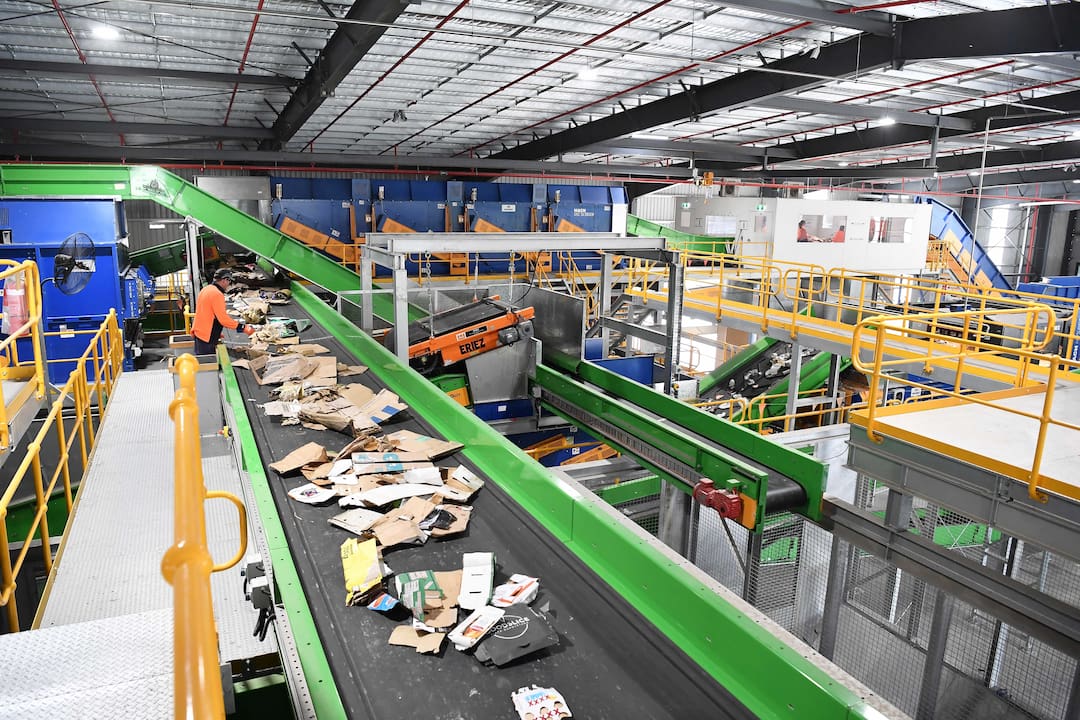
The hard part is the gap between aspiration and arithmetic. Doubling a national-scale rate in four years requires recycling infrastructure, design standards that make products easier to dismantle, and markets willing to buy recycled material over virgin alternatives. Each of those depends on investment decisions and regulatory certainty that the Act has yet to deliver. A target announced in Brussels does not by itself build a sorting plant in a member state.
Industry reaction is predictably split. Manufacturers welcome the promise of a stable supply of recycled inputs but worry about compliance costs and the risk of rules that look ambitious on paper and unworkable on a factory floor. Environmental groups, for their part, fear the final text will be watered down as it passes through negotiation, leaving the headline target intact but the enforcement hollow.
That tension will define the months ahead. The proposal expected later this year is only the opening move in a long legislative process, and the 24% figure will be picked over by capitals, committees and lobbyists before anything binds. Whether it survives as a hard commitment or softens into an aspiration will tell observers a great deal about how serious Europe is when competitiveness and sustainability are asked to share the same law.
For now the number stands as both a promise and a test. Hit it, and the Act becomes a model others copy. Miss it, and it joins the long list of green targets that sounded transformative until the deadline arrived.