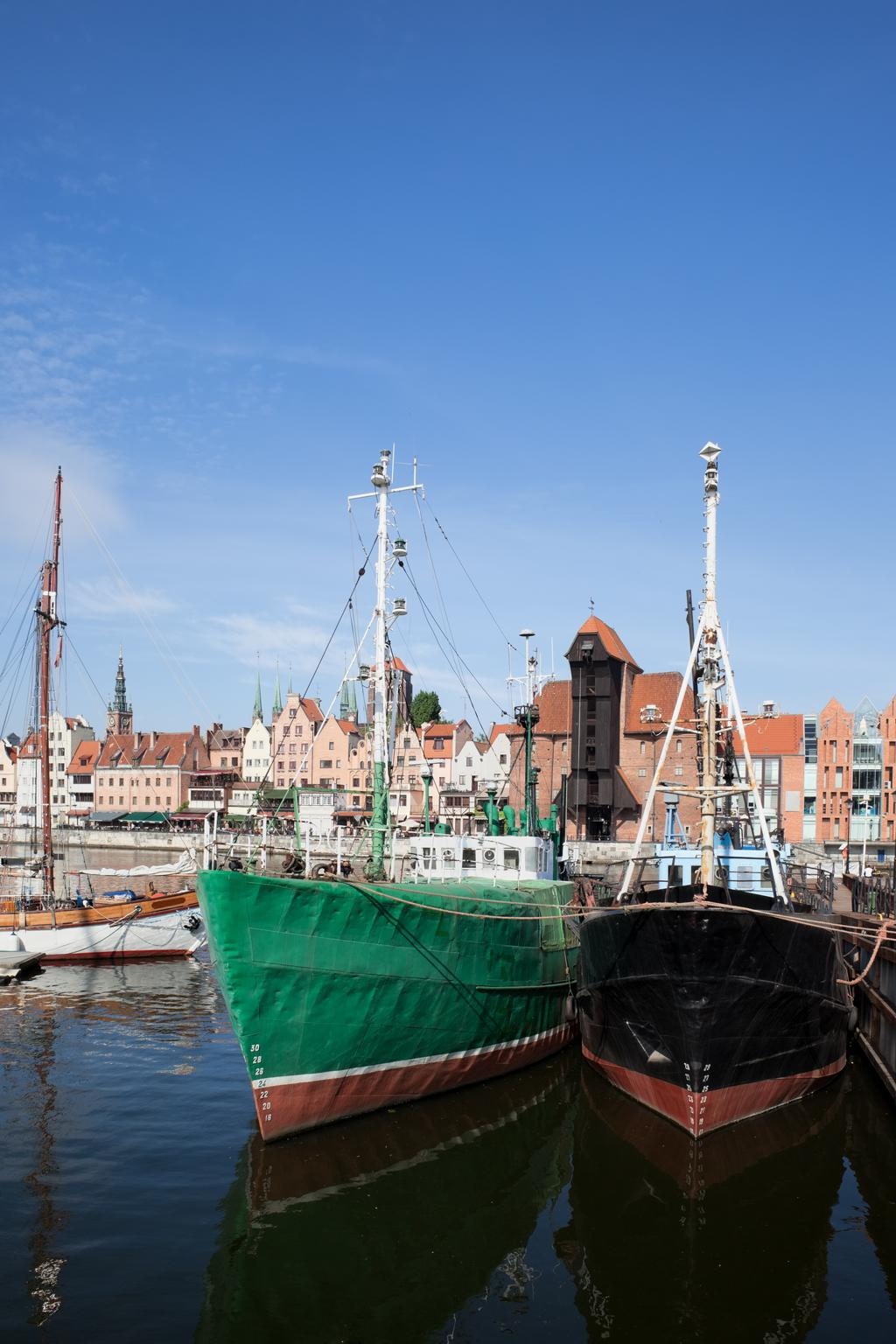
Gdansk: Along the Polish coast the harbours tell a story the statistics only confirm. Boats sit idle, crews have thinned, and the men who once chased cod for a living now talk about the trade in the past tense. As Brussels begins sketching out next year’s fishing limits for the Baltic, the people who work its waters are bracing for yet another round of cuts to a catch that already feels like a memory.
The science leaves little room for optimism. The Baltic’s eastern cod stock, once the backbone of the regional fleet, has all but collapsed, and directed fishing for it has been shuttered for years. Herring populations in several basins are in deep trouble, and scientific advisers have repeatedly urged sharp reductions or outright closures. When the Commission publishes its outlook for the coming season, the language of recovery and precaution is doing a lot of work to soften a simple message: there are far fewer fish than there used to be, and the rules must reflect it.
The causes run deeper than overfishing, which makes them harder to fix. The Baltic is shallow, brackish, and slow to flush, and decades of agricultural run-off have starved parts of it of oxygen, leaving dead zones where little can spawn. Warming water has reshuffled the food web. Against that backdrop, even a total fishing ban would not flick the stocks back to health, a grim truth that fuels resentment among fishers told to bear the cost of a crisis they did not create alone.
That sense of unfairness is now central to the politics. Coastal communities argue that they are being asked to absorb the consequences of farm pollution and climate change while the polluters face no comparable reckoning. They want any further cuts paired with real support: compensation, decommissioning schemes for boats that will never fish profitably again, and help for the small-scale operators who lack the reserves to ride out a bad year. Ministers from the Baltic states will carry those demands into the autumn haggling, where annual catch limits are settled in marathon late-night sessions.
Environmental groups counter that delay is the real enemy. Every year the limits are set above scientific advice, they argue, the recovery slips further out of reach, and a managed decline becomes a permanent one. They point to the eastern cod as a warning of what happens when warnings are ignored, and they want the Commission to treat its own advisers’ numbers as a ceiling rather than an opening bid.
Caught in the middle is a fleet that has already shrunk dramatically and a way of life that may not survive the decade. The harsh arithmetic is that a smaller, more sustainable Baltic fishery might be the best realistic outcome, and even that is not guaranteed. For the crews in Gdansk and the harbours like it, the coming negotiations are less about how much they can catch than about whether there will be anything left to build a future on.