August 10, 2026
LATEST
Five Joint Defence Projects Launch Europe’s Military ShieldElectrification Plan Aims to Make Europe First Electro ContinentHorizon Europe Budget Fight Heats Up as Ministers Push BackGoogle’s DMA Fine Sets Off a Transatlantic Tariff ClashTwenty New University Alliances Join Erasmus for Two YearsForeign Subsidies Case Puts Temu in the EU’s SightsVan Tachographs Now Mandatory for Cross-Border FleetsStress Test Exposes Gaps in Euro Area Bank DefencesEurope Bets on a Gulf Partnership Before the Riyadh SummitWhy the Atlantic Route Now Runs Through MauritaniaKyiv and Chisinau Advance as the EU Accession Talks Gather PaceEurope’s New Digital Border System Beds In After a Rocky RolloutBrussels Mounts Its Largest Wildfire Response as the Fires SpreadRetail Spending Slipped in June, Wrong-Footing EconomistsHeatwave Warning Puts Brussels on Alert for Vulnerable GroupsKANAL’s 230 Million Euro Museum Sets a November Opening DatePension Savings Rules Get a Reset as the EU Scraps the 1% CapMedicine Shortages Move to the Heart of Europe’s Pharma ResetJapan Becomes Europe’s Closest Security Partner in AsiaCan Europe’s New Zealand Deal Anchor It in the Pacific?Five Joint Defence Projects Launch Europe’s Military ShieldElectrification Plan Aims to Make Europe First Electro ContinentHorizon Europe Budget Fight Heats Up as Ministers Push BackGoogle’s DMA Fine Sets Off a Transatlantic Tariff ClashTwenty New University Alliances Join Erasmus for Two YearsForeign Subsidies Case Puts Temu in the EU’s SightsVan Tachographs Now Mandatory for Cross-Border FleetsStress Test Exposes Gaps in Euro Area Bank DefencesEurope Bets on a Gulf Partnership Before the Riyadh SummitWhy the Atlantic Route Now Runs Through MauritaniaKyiv and Chisinau Advance as the EU Accession Talks Gather PaceEurope’s New Digital Border System Beds In After a Rocky RolloutBrussels Mounts Its Largest Wildfire Response as the Fires SpreadRetail Spending Slipped in June, Wrong-Footing EconomistsHeatwave Warning Puts Brussels on Alert for Vulnerable GroupsKANAL’s 230 Million Euro Museum Sets a November Opening DatePension Savings Rules Get a Reset as the EU Scraps the 1% CapMedicine Shortages Move to the Heart of Europe’s Pharma ResetJapan Becomes Europe’s Closest Security Partner in AsiaCan Europe’s New Zealand Deal Anchor It in the Pacific?
August 10, 2026
LATEST
Five Joint Defence Projects Launch Europe’s Military ShieldElectrification Plan Aims to Make Europe First Electro ContinentHorizon Europe Budget Fight Heats Up as Ministers Push BackGoogle’s DMA Fine Sets Off a Transatlantic Tariff ClashTwenty New University Alliances Join Erasmus for Two YearsForeign Subsidies Case Puts Temu in the EU’s SightsVan Tachographs Now Mandatory for Cross-Border FleetsStress Test Exposes Gaps in Euro Area Bank DefencesEurope Bets on a Gulf Partnership Before the Riyadh SummitWhy the Atlantic Route Now Runs Through MauritaniaKyiv and Chisinau Advance as the EU Accession Talks Gather PaceEurope’s New Digital Border System Beds In After a Rocky RolloutBrussels Mounts Its Largest Wildfire Response as the Fires SpreadRetail Spending Slipped in June, Wrong-Footing EconomistsHeatwave Warning Puts Brussels on Alert for Vulnerable GroupsKANAL’s 230 Million Euro Museum Sets a November Opening DatePension Savings Rules Get a Reset as the EU Scraps the 1% CapMedicine Shortages Move to the Heart of Europe’s Pharma ResetJapan Becomes Europe’s Closest Security Partner in AsiaCan Europe’s New Zealand Deal Anchor It in the Pacific?Five Joint Defence Projects Launch Europe’s Military ShieldElectrification Plan Aims to Make Europe First Electro ContinentHorizon Europe Budget Fight Heats Up as Ministers Push BackGoogle’s DMA Fine Sets Off a Transatlantic Tariff ClashTwenty New University Alliances Join Erasmus for Two YearsForeign Subsidies Case Puts Temu in the EU’s SightsVan Tachographs Now Mandatory for Cross-Border FleetsStress Test Exposes Gaps in Euro Area Bank DefencesEurope Bets on a Gulf Partnership Before the Riyadh SummitWhy the Atlantic Route Now Runs Through MauritaniaKyiv and Chisinau Advance as the EU Accession Talks Gather PaceEurope’s New Digital Border System Beds In After a Rocky RolloutBrussels Mounts Its Largest Wildfire Response as the Fires SpreadRetail Spending Slipped in June, Wrong-Footing EconomistsHeatwave Warning Puts Brussels on Alert for Vulnerable GroupsKANAL’s 230 Million Euro Museum Sets a November Opening DatePension Savings Rules Get a Reset as the EU Scraps the 1% CapMedicine Shortages Move to the Heart of Europe’s Pharma ResetJapan Becomes Europe’s Closest Security Partner in AsiaCan Europe’s New Zealand Deal Anchor It in the Pacific?

Digital Euro Legislation Heads For A Make-Or-Break Plenary Vote

The Hague: After years of cautious preparation, the digital euro is approaching the moment that will decide its fate. Co-legislators have entered what officials describe as the decisive phase of negotiations on the legal framework for a central bank digital currency, and the autumn calendar now points toward a make-or-break plenary vote that could either green-light Europe’s first public digital money or leave the project stranded.

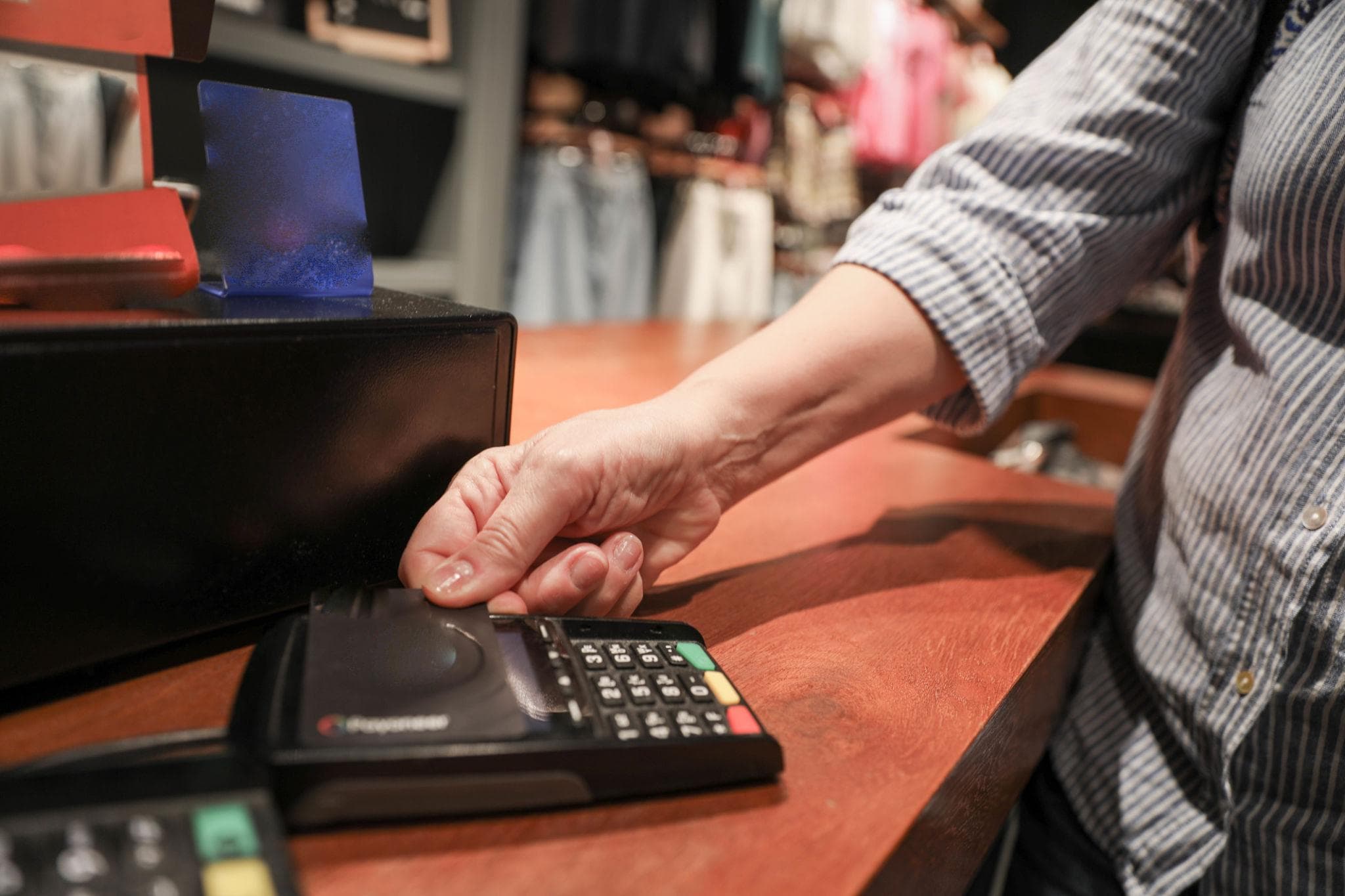
The case the European Central Bank makes is one of sovereignty. Cash use is falling across the continent, while everyday payments lean ever more heavily on a handful of non-European card networks and apps. A digital euro, its backers argue, would give households a public, free-to-use means of payment that works everywhere in the euro area, online and offline, without routing every transaction through a foreign intermediary. Supporters frame it as the monetary equivalent of strategic autonomy, a hedge against the day a geopolitical rival or a private stablecoin issuer gains a chokehold over how Europeans pay.

The objections are equally serious, and they are why the file has moved so slowly. Commercial banks fear disintermediation: if citizens can park money directly at the central bank, deposits could drain out of lenders in a crisis, starving them of the funding they use to make loans. The compromise on the table is a holding limit, capping how many digital euros any one person can keep, but negotiators are still haggling over who sets that ceiling and how it flexes in turbulent times. Privacy campaigners, meanwhile, want ironclad guarantees that the system cannot become a tool for surveilling spending, and the proposed offline mode, which would let small payments clear without a central record, has become their key demand.

Why this matters reaches beyond payment plumbing. The euro area is watching other economies experiment with state digital money, and falling behind could leave Europe a rule-taker in a technology that touches monetary policy, financial stability and civil liberties at once. Yet rushing a flawed design would be worse than waiting, handing critics ammunition and risking public trust in the currency itself.

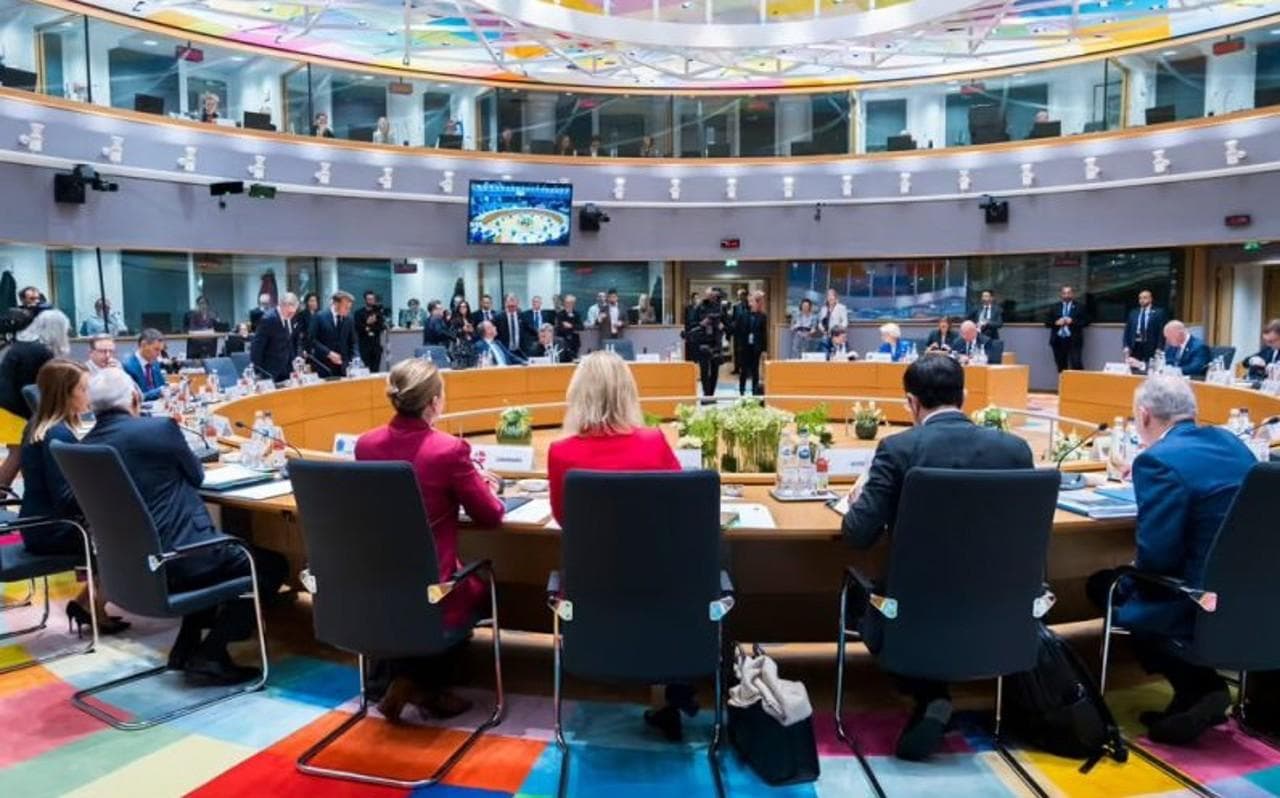
The politics are delicate. Lawmakers remain split between those who see the project as overdue and those who question whether a solution is being built for a problem ordinary Europeans do not feel, given that existing cards and transfers already work well. The ECB cannot issue anything until the legislation passes, so the institution has spent the preparation phase building the rulebook, selecting technical partners and testing the plumbing, all while insisting the final political call rests with elected representatives.

What comes next is a sequence of trilogue sessions intended to reconcile the Parliament’s and member states’ positions before the decisive vote. If a deal holds, a multi-year rollout would follow, with the first digital euros unlikely to reach wallets before the end of the decade. If it collapses, the continent’s monetary authorities will have to decide whether to start the argument over from scratch, or concede the digital payments arena to the private and foreign players they set out to counter.