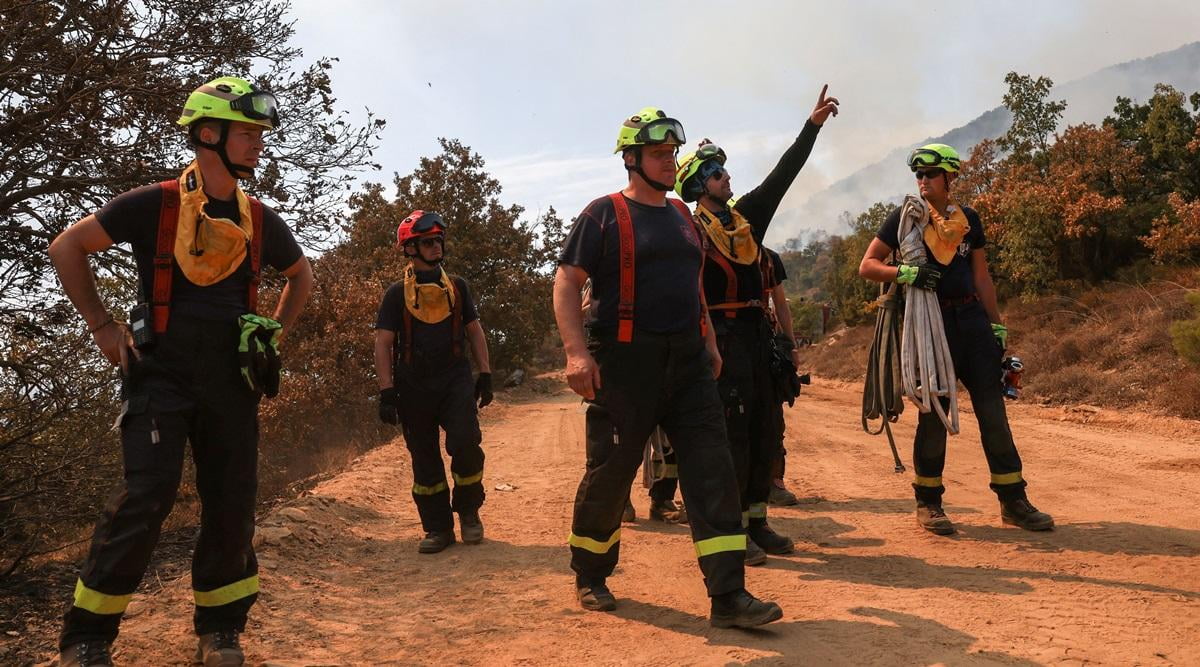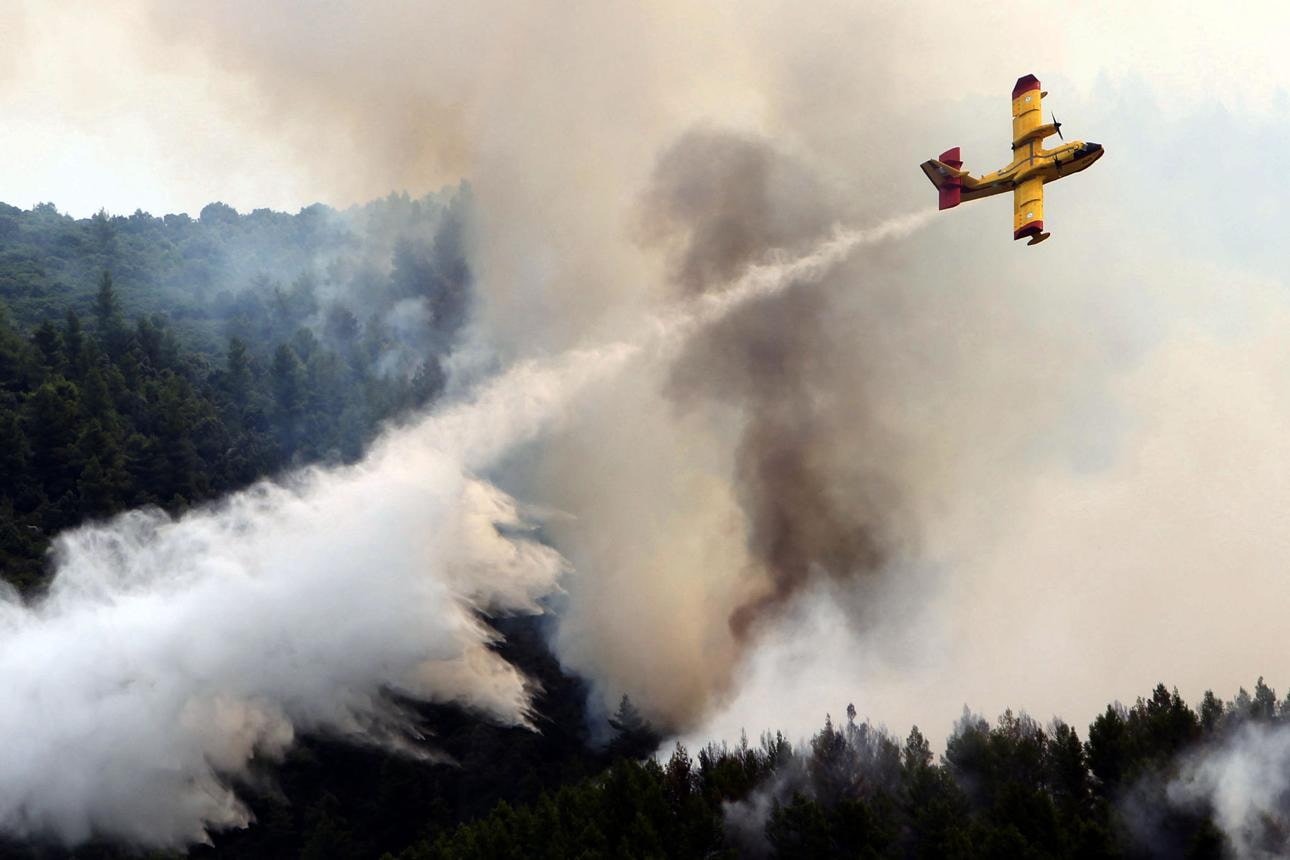
Brussels: As the continent braces for another scorching season, the bloc is quietly expanding the shared emergency machinery it leans on when national resources run dry. The rescEU reserve, a common pool of aircraft, helicopters, and equipment that any member state can call on, is being reinforced with additional firefighting planes and pre-positioned ground teams ahead of what forecasters expect to be a punishing summer across the south.
The shift reflects a hard lesson from recent years. Wildfires that once struck in isolated patches now arrive in overlapping waves, hitting several countries at the same moment. When that happens, the old model of neighbours lending a hand falls apart, because everyone needs the same aircraft on the same afternoon. A standing European reserve, owned or co-financed centrally and dispatched where the need is greatest, is meant to fill that gap rather than leave the worst-hit region waiting.
This year the reserve has been widened beyond fire. Civil protection planners have stocked warehouses with medical supplies, generators, water purification kits, and temporary shelter, positioned so that aid can move within hours rather than days when a flood, heatwave, or industrial accident overwhelms local responders. The thinking is that the same coordination muscle built for fires can be turned to almost any sudden disaster.
None of this is cheap, and the spending invites a reasonable debate about where responsibility should sit. Some governments argue that disaster response is fundamentally national, and that a growing central reserve risks letting member states under-invest at home while assuming the collective pool will rescue them. Others reply that climate-driven emergencies have outgrown national borders entirely, and that pooling expensive assets like heavy water-bombers is simply more efficient than every country buying its own fleet that sits idle most of the year.
The human stakes give the argument urgency. Recent summers have brought evacuations of whole tourist regions, lives lost among both residents and the crews sent to protect them, and smoke that pushed air pollution into the dangerous range hundreds of kilometres from any flame. For the communities living through it, the question of who funds the aircraft matters far less than whether the aircraft actually arrive in time.
Coordination remains the hardest part. Reserves only work if requests, deployments, and crews move smoothly across languages, command structures, and borders under enormous pressure. Officials have spent the off-season running joint exercises and tightening the procedures that decide who gets help first when demand spikes everywhere at once, a decision no system handles painlessly.
The expansion will not stop the fires, and no planner pretends otherwise. The aim is narrower and more honest, to make sure that when the worst days come, as they almost certainly will, the response is faster, better stocked, and less dependent on the luck of whichever country happens to have spare capacity that afternoon.