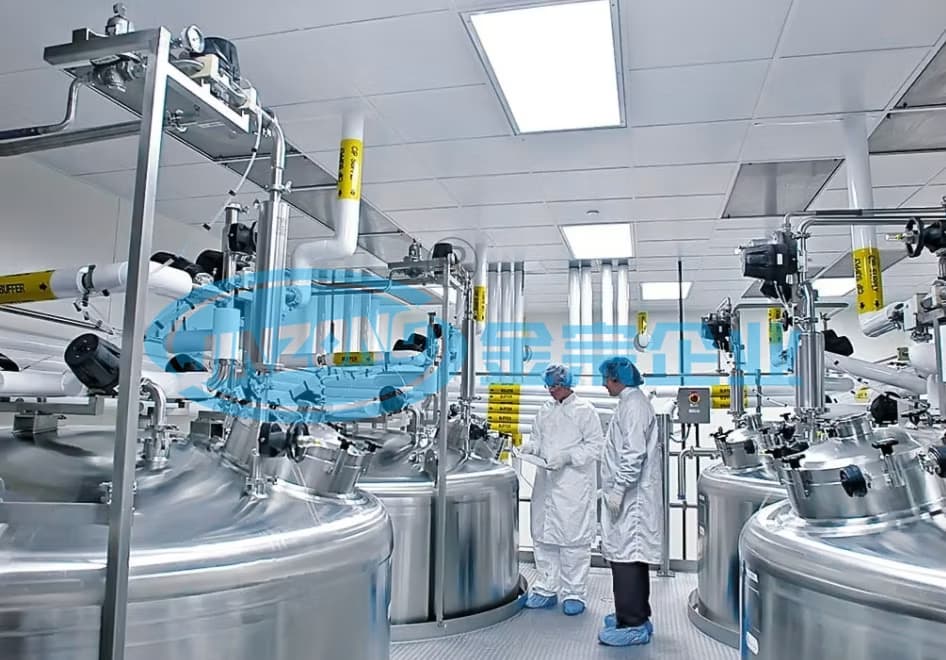
Kalundborg: In the Danish port town where some of the world’s insulin is brewed in towering steel vats, the question of who makes Europe’s medicines has stopped being a technical footnote and become a strategic preoccupation. On 12 May 2026 the European Parliament and the Council reached a provisional agreement on the Critical Medicines Act, a law conceived during the shortages of antibiotics and fever syrups that left pharmacy shelves bare in recent winters. The text still needs formal ratification by both institutions, with publication in the Official Journal expected toward the end of the year, but its direction is now fixed.
The premise is uncomfortable for a continent that prides itself on advanced pharmaceutical research. Europe invents medicines but increasingly does not make them. The active ingredients for many everyday drugs, including common antibiotics and painkillers, are manufactured in a handful of plants concentrated in Asia. When one factory falters or a government restricts exports, the shock travels quickly to a hospital in Lisbon or a clinic in Tallinn. The new act treats that dependence not as a market quirk but as a vulnerability to be managed.
Three instruments do most of the work. The first encourages manufacturing of critical medicines and their ingredients on European soil, through projects that can attract faster permitting and public support. The second reshapes how governments buy. Public tenders for critical medicines will have to weigh more than the lowest price, rewarding suppliers that hold buffer stocks, diversify their sources and let their supply chains be monitored. For two decades, procurement rules pushed buyers toward the cheapest bid, a logic that quietly hollowed out production until only the lowest-cost plant survived. The third lets member states pool their orders, so that smaller countries are no longer left at the back of the queue when supplies tighten.
None of this is free, and that is where the harder questions begin. Paying for resilience means paying more, and it is not yet clear whether national health budgets already straining under ageing populations will absorb the cost or pass it to patients. Building a factory takes years and a guaranteed buyer; manufacturers will want assurance that today’s political urgency does not evaporate once the shelves are full again. There is also a tension at the heart of the project. A genuinely diversified supply chain is, by definition, partly outside Europe, yet the political energy behind the act is the desire to bring production home. Reconciling diversification with reshoring will test the regulation’s drafters long after the ink dries.
Critics from the generics industry warn that resilience criteria, written carelessly, could become a thicket of paperwork that small producers cannot navigate, ironically thinning the very competition the law wants to protect. Patient groups counter that the status quo already fails them, and that almost any reform beats another winter of rationed antibiotics. Both can be right. The act’s success will be measured not in its ambitions but in whether a parent searching for a child’s antibiotic in two years’ time finds it in stock.
What the Critical Medicines Act ultimately signals is a shift in how Europe thinks about health. Security of supply, once the language of energy and defence, has migrated to the pharmacy counter. Whether the Union can afford the bill it has just written itself remains the open question of the months ahead.