Brussels: The European Union cleared the way for gene-edited crops to reach European fields and shelves under a lighter regime from 2028, as its new rules on genomic techniques took effect on 16 July 2026 when Regulation (EU) 2026/1388 entered into force.
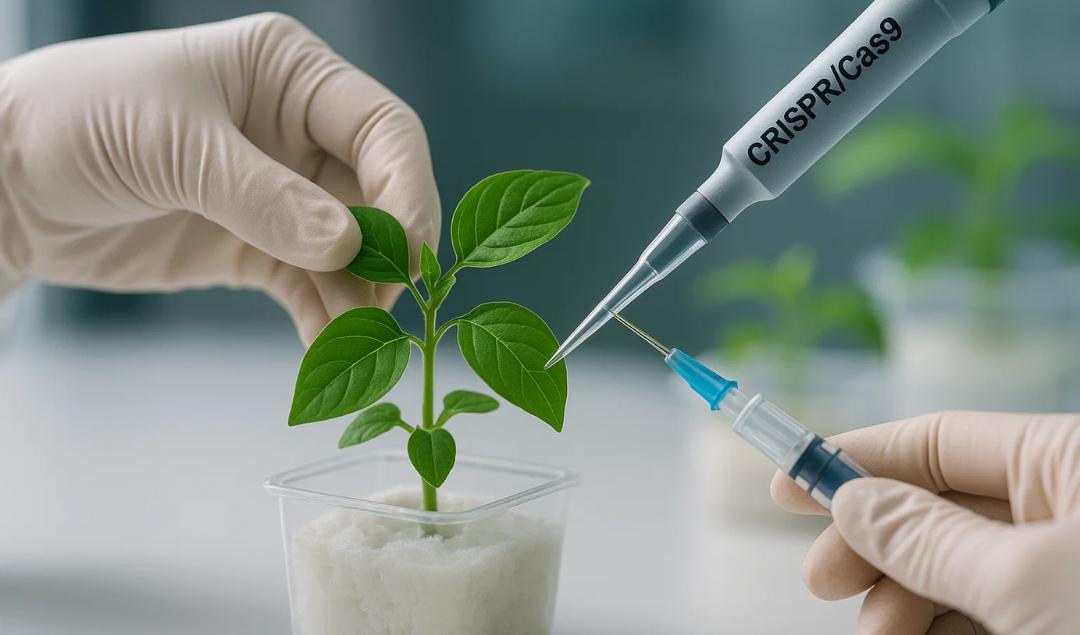
The law ends years of legal limbo in which plants developed with new genomic techniques were treated exactly like conventional genetically modified organisms. It splits such plants into two groups and reserves the heaviest oversight for the most heavily altered varieties.
Category 1 covers plants judged equivalent to those bred conventionally; national authorities verify that status, and the plants escape GMO-style authorisation and product labelling, though seeds must still be labelled. Category 2 covers plants with more complex changes, which stay bound by existing GMO rules on authorisation, traceability and labelling, with an opt-out for member states that do not want them grown.
The Council formally adopted the rules on 21 April 2026, and the European Parliament gave its final approval on 17 June 2026. Maria Panayiotou, the Cypriot agriculture minister who steered the file for the Council presidency, tied the reform directly to the pressures bearing down on European growers.
“Our farmers need practical solutions to adapt to climate change and remain competitive. These new rules give them access to innovation while ensuring clarity, fairness and high standards across the EU,” Panayiotou said.
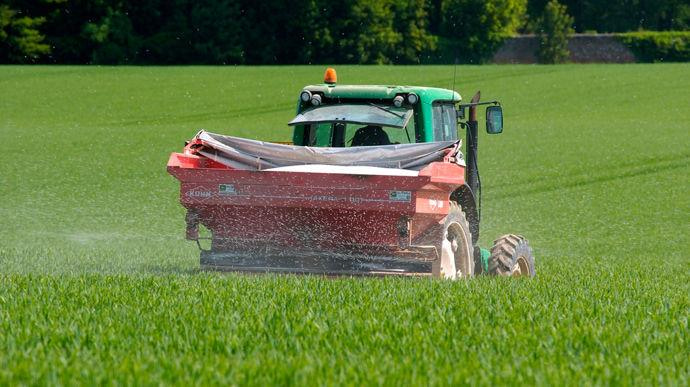
Supporters argue the change lets breeders develop gene-edited crops that resist drought, flooding, pests and disease faster than traditional methods allow, cutting reliance on pesticides and imported inputs. The Commission frames the reform as part of a broader effort to shore up food security and reduce the bloc’s external dependencies.
Key elements of the regulation:
- Entered into force on 16 July 2026; most provisions apply from 17 July 2028 after a 24-month transition.
- Category 1 plants face no GMO authorisation or product labelling, only seed labelling.
- Category 2 plants remain under GMO rules, with national opt-outs.
- Herbicide tolerance and certain insecticidal traits are excluded from the simplified track.
The law does not settle every dispute. Critics, including many organic farmers and environmental groups, warn that unlabelled Category 1 products could blur the line between gene-edited and conventional food and complicate efforts to keep supply chains free of the new techniques. Patents are another flashpoint: developers of Category 1 plants must now list relevant patents in a public database, and the Commission will publish a study within a year on how patenting affects innovation, seed availability and competition.
The two-year transition gives Brussels time to write the implementing rules that will decide how equivalence checks work in practice. National authorities, seed companies and food producers will spend that window preparing for a market in which some gene-edited crops move almost as freely as conventional ones.
The reform aligns EU law with countries that already grant such crops a smoother route to market, and closes a gap dating to 2001, when the bloc’s GMO framework was written before these techniques existed. The Council set out the detail in its adoption announcement, and the Commission maintains a running explainer on new genomic techniques. Whether the promised resilient crops materialise now rests with Europe’s plant breeders and the pace of the secondary legislation to come.