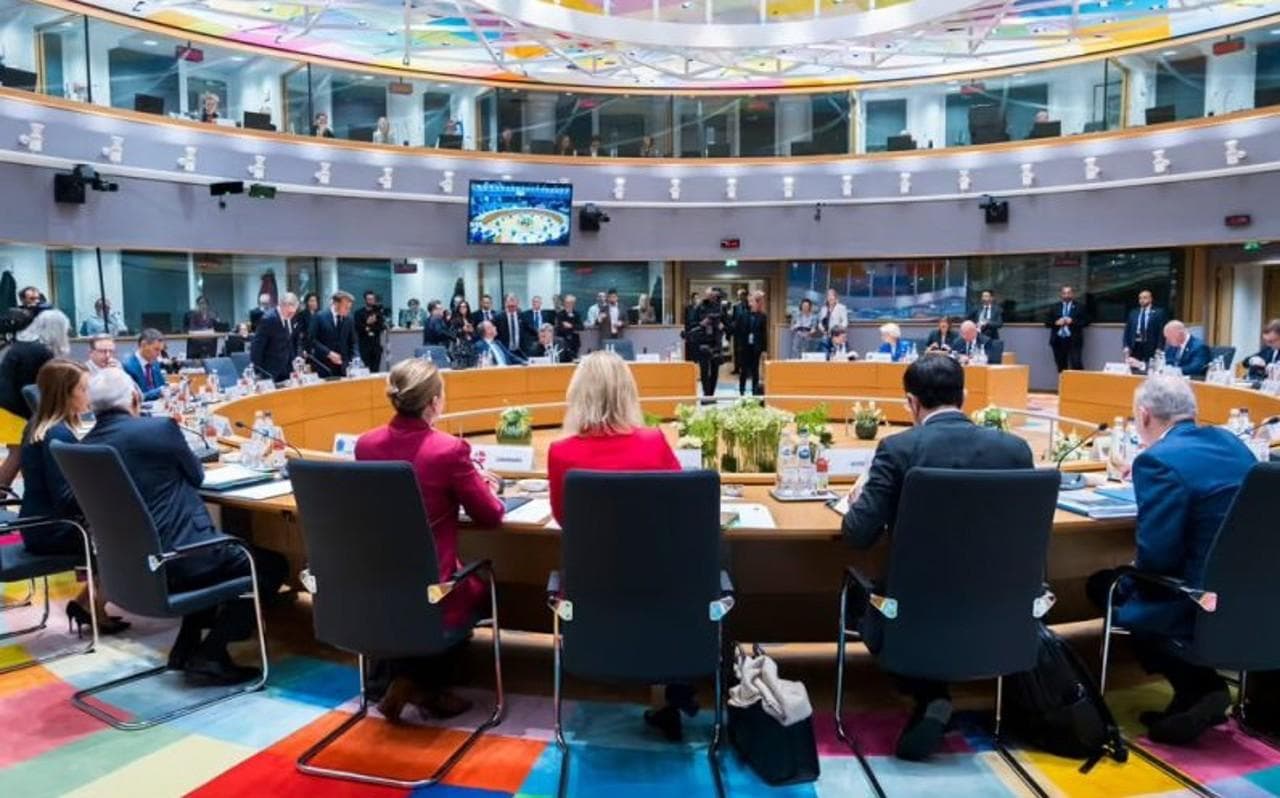
Brussels: The European Parliament’s November 2025 report on the Article 7 procedure against Hungary, adopted with 415 votes in favour and 193 against, marked the most extensive parliamentary stocktake to date of what MEPs have called a hybrid regime of electoral autocracy taking shape inside the European Union. The procedure was first triggered by Parliament in 2018, and seven years later it remains stuck at the preventive stage, with no Council decision on whether a clear risk of serious breach of EU founding values exists.
The November report inventoried developments across all twelve areas of concern that originally justified the trigger, from the functioning of the electoral system to judicial independence and the fight against corruption. MEPs highlighted that Hungary’s supreme court reviews judgments of the Court of Justice of the European Union before they are applied domestically, in contravention of established practice, and pointed to systematic refusal to implement decisions of the European Court of Human Rights. They linked corruption with electoral integrity, drawing attention to clientelist networks and persistent obstacles facing Hungary’s anti-corruption authority.
The 2026 parliamentary elections in Hungary have added a new dimension. The November report flagged the increasing use of unlabelled AI-generated political content, including deepfake videos circulated through channels closely linked to the ruling party. MEPs noted that such material may engage obligations under the Digital Services Act, the General Data Protection Regulation and the AI Act, while constituting a direct threat to the fairness of democratic competition.
The institutional deadlock has structural roots. A determination under Article 7 paragraph 1 that there is a clear risk of serious breach requires a four-fifths majority in the Council. Moving to the sanctions stage under paragraph 2, which can include the suspension of voting rights, requires unanimity among the remaining member states. Slovakia under Prime Minister Robert Fico, whose government has followed many features of the Hungarian model, has publicly committed to blocking any sanctions decision, citing solidarity in defence of national sovereignty.
The Council has held repeated hearings on the Hungarian file but has yet to bring the matter to a formal vote. A May 2025 hearing produced no progress, and EU diplomats publicly acknowledged the absence of a majority for any concrete step. The Commission’s December 2023 decision to release up to 10.2 billion euro of previously frozen funds, despite continuing concerns about judicial independence, was criticised in the Parliament’s November report as undermining the credibility of the entire rule-of-law conditionality framework.
Financial conditionality has nonetheless emerged as the most usable instrument. The Rule of Law Conditionality Regulation, the Recovery and Resilience Facility milestones and the horizontal enabling conditions in cohesion fund management all allow the Commission to freeze disbursements where rule-of-law deficiencies risk damaging the EU’s financial interests. The German coalition agreement signed in 2025 committed Berlin to use these instruments much more consistently, language interpreted in Brussels as a signal that the largest net contributor is losing patience with the status quo.
Academic commentators have suggested reframing the Article 7 case to anchor it in solidarity under the treaties, particularly in the context of external security threats. The argument is that 26 of 27 member states could more easily agree that obstructing collective action against Russian aggression in Ukraine breaches the duty of sincere cooperation than they could agree on more abstract rule-of-law grounds, where each capital may fear setting a precedent applicable to itself.
With Hungary’s elections approaching, the bloc faces a familiar dilemma. Acting too forcefully risks accusations of interference. Acting too cautiously risks letting the situation deteriorate further. Brussels is unlikely to resolve that tension before voters in Hungary have spoken. What follows after will define the credibility of the EU’s claim to be a community of values.