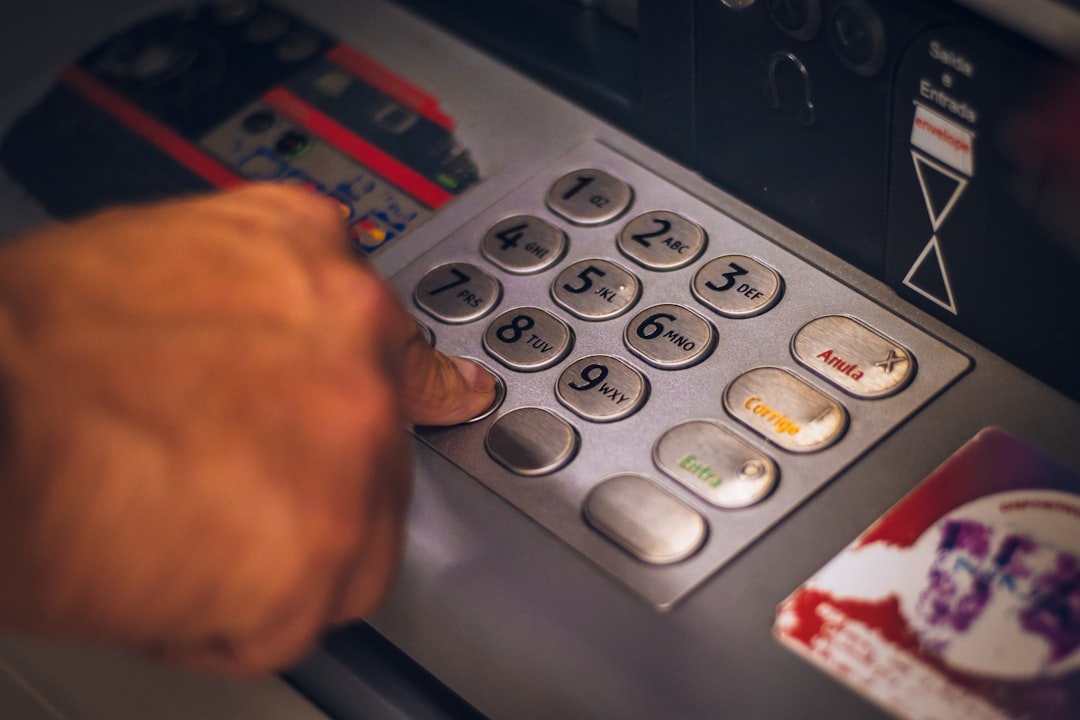
Frankfurt: A quiet revolution in how Europeans move money is now taking hold, as the bloc’s rules on instant payments oblige banks to settle euro transfers within ten seconds, at any hour, for no more than the cost of an ordinary transfer. The change sounds mundane. Its consequences are anything but.
For decades, a standard credit transfer in the single currency could take a full business day to clear, an absurdity in an economy that prides itself on frictionless integration. Instant payments existed but were often treated as a premium product, priced above the standard alternative and offered patchily across the continent. The regulation dismantles that arrangement. If a bank offers ordinary euro transfers, it must now offer instant ones too, at a charge no higher, with the money landing in the recipient’s account almost immediately.
The competitive implications reach well beyond convenience. Real-time settlement erodes one of the quiet advantages held by international card networks, whose infrastructure Europe has long depended on for fast retail payments. A robust account-to-account rail that clears in seconds gives merchants and fintechs a domestic alternative, potentially trimming the fees that flow out of the bloc. Policymakers have made no secret of that strategic goal, framing instant payments as a plank of Europe’s push for greater financial autonomy.
Banks have grumbled, and not without cause. Instant settlement leaves no window to claw back a fraudulent or mistaken transfer, so the burden shifts to catching problems before the money moves. The rules answer this with a verification-of-payee requirement, obliging banks to check that the account name matches the number before a transfer completes and to flag mismatches. Done well, that curbs authorised push-payment fraud, in which victims are tricked into sending money to criminals. Done poorly, it generates false alarms that dull users to real warnings. The design details will decide which outcome prevails.
There is also a sanctions-screening wrinkle. Because instant transfers cannot be paused for lengthy checks, the regulation moves compliance to a daily screening of customers against sanctions lists rather than a transaction-by-transaction review. Critics worry this trades one risk for another. Supporters argue it is more proportionate and less prone to the delays that plagued the old model.
The broader prize is a genuinely integrated payments market, a goal the bloc has chased since the euro’s birth with mixed success. Money that moves instantly and cheaply across borders makes the single market feel less like a patchwork of national systems. Small businesses gain quicker access to cash they are owed. Households escape the limbo of transfers that vanish for a day. The cumulative effect on liquidity, especially for firms operating on thin margins, could be substantial.
Whether the promise is fully realised depends on execution across thousands of institutions of wildly varying sophistication. Larger banks are ready. Smaller ones face real costs to upgrade legacy systems, and the risk is an uneven rollout that frustrates the very seamlessness the rules intend. Still, the direction is unmistakable. Instant, cheap, round-the-clock transfers are becoming the baseline, not the luxury, and a payments landscape long shaped by others is beginning to bend toward Europe’s own design.