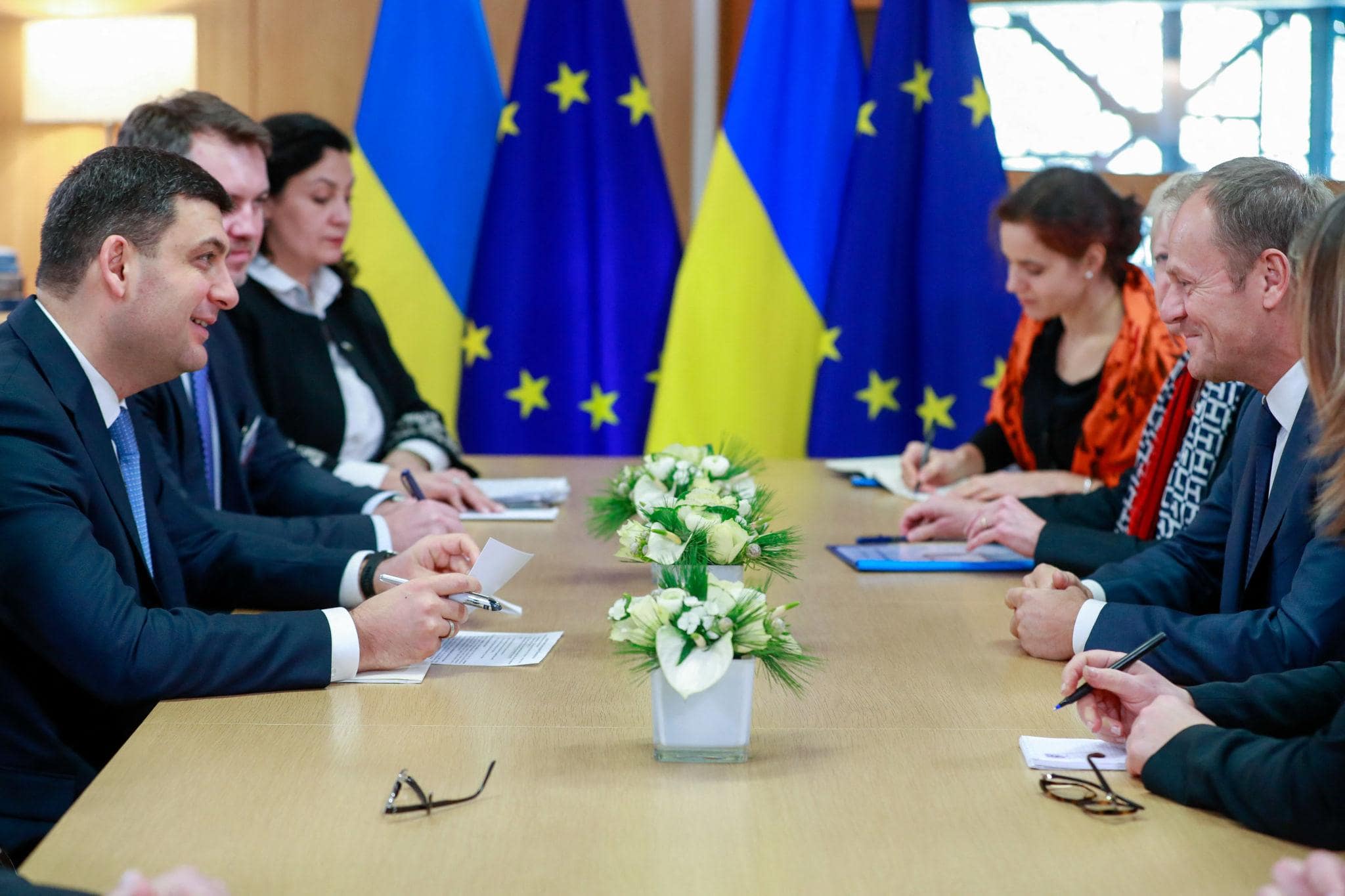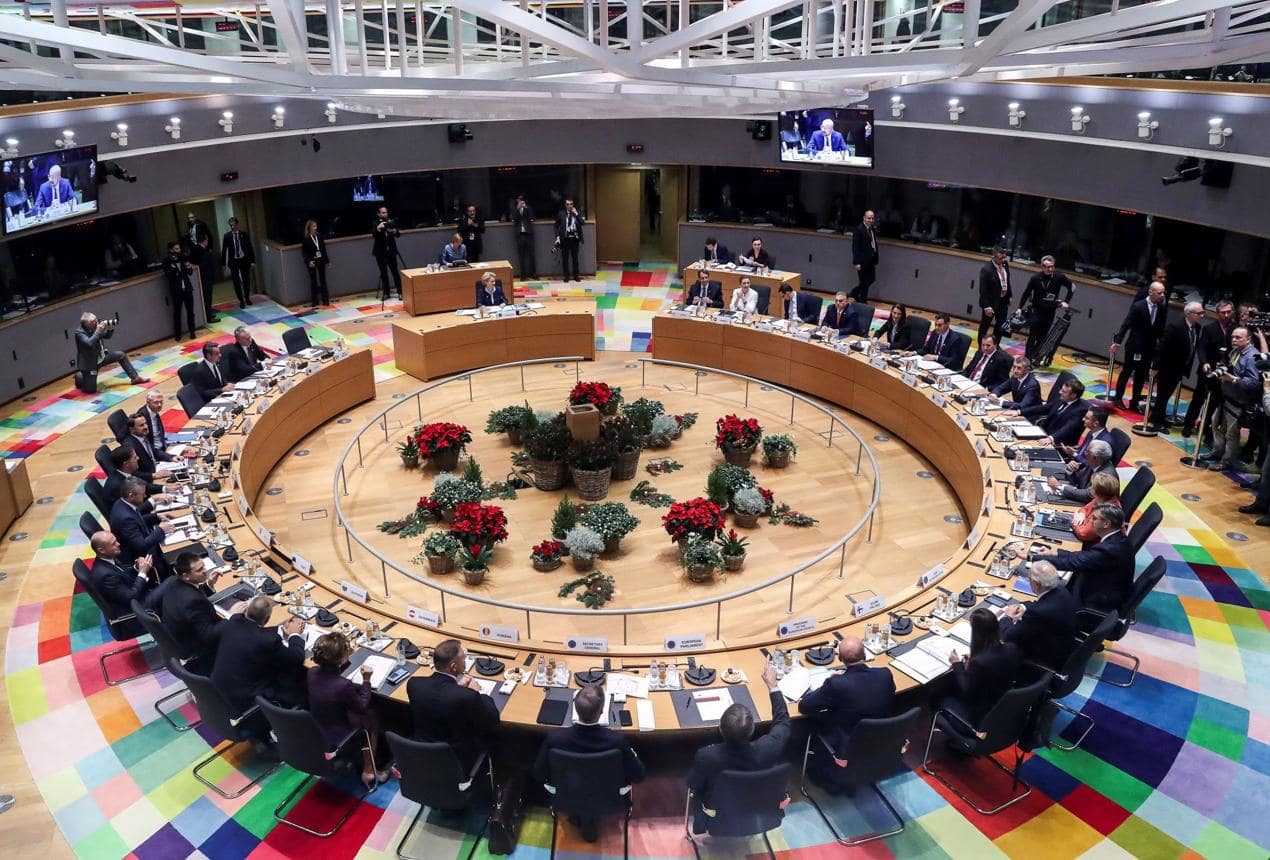
Brussels: The European Commission is preparing to ask member states on 16 June to formally open the first cluster of accession negotiations with Ukraine and Moldova, a step both capitals have chased for the better part of two years. If governments agree, the so-called Fundamentals cluster, the one covering the rule of law, public administration and democratic institutions, would move from preparation to live talks, and the political calendar around enlargement would shift from indefinite to concrete.
President Volodymyr Zelenskiy has said Kyiv is ready to open all six clusters at once and wants the Fundamentals package launched this month. That ambition collides with the EU’s own procedure, which requires unanimity to open each chapter. One government has spent the past year using that rule to hold the process in place. Hungary’s objections have kept both candidates frozen at the threshold, despite Ukraine completing its screening in September 2025 and Moldova finishing its own days later.
Brussels has not waited quietly. In March, the Commission and a majority of member states began an informal opening of all negotiating chapters, a workaround that lets technical work proceed without the formal vote a single capital can block. The June proposal is an attempt to convert that informal momentum into something that survives the next change of government in any one country. It is also a signal to Kyiv and Chișinău that the reconstruction and reform work demanded of them is being matched by movement on the EU side.
The substance remains daunting. Ukraine is a candidate unlike any the Union has handled before, with a war still running along its eastern edge, reconstruction needs measured in the hundreds of billions, and governance problems that predate the invasion. Several member states remain uneasy about committing to a membership path for a country whose final borders and security arrangements are unsettled. Moldova, smaller and less contentious, has tied its own bid closely to Ukraine’s, partly for solidarity and partly because shared momentum offers protection against being singled out and stalled.
The Commission’s working target is to wrap up negotiations by 2028, a timeline officials privately describe as aspirational rather than firm. Even the most enthusiastic supporters concede that closing dozens of chapters in under three years would be without precedent. The faster-is-better camp argues that drift is the real danger, that a candidate left waiting loses public support at home and hands Moscow a propaganda victory. The cautious camp counters that admitting a country before its institutions are ready would import problems the Union cannot easily export back out.
What makes June matter is less the legal mechanics than the message. Opening the Fundamentals cluster would tell two governments, and the citizens watching them, that the enlargement promise is not a holding pattern. It would also test whether the EU can keep a strategic project moving when one member is determined to slow it. The vote, if it comes, will reveal how much unanimity still constrains a Union that increasingly talks about acting despite it.