August 10, 2026
LATEST
Five Joint Defence Projects Launch Europe’s Military ShieldElectrification Plan Aims to Make Europe First Electro ContinentHorizon Europe Budget Fight Heats Up as Ministers Push BackGoogle’s DMA Fine Sets Off a Transatlantic Tariff ClashTwenty New University Alliances Join Erasmus for Two YearsForeign Subsidies Case Puts Temu in the EU’s SightsVan Tachographs Now Mandatory for Cross-Border FleetsStress Test Exposes Gaps in Euro Area Bank DefencesEurope Bets on a Gulf Partnership Before the Riyadh SummitWhy the Atlantic Route Now Runs Through MauritaniaKyiv and Chisinau Advance as the EU Accession Talks Gather PaceEurope’s New Digital Border System Beds In After a Rocky RolloutBrussels Mounts Its Largest Wildfire Response as the Fires SpreadRetail Spending Slipped in June, Wrong-Footing EconomistsHeatwave Warning Puts Brussels on Alert for Vulnerable GroupsKANAL’s 230 Million Euro Museum Sets a November Opening DatePension Savings Rules Get a Reset as the EU Scraps the 1% CapMedicine Shortages Move to the Heart of Europe’s Pharma ResetJapan Becomes Europe’s Closest Security Partner in AsiaCan Europe’s New Zealand Deal Anchor It in the Pacific?Five Joint Defence Projects Launch Europe’s Military ShieldElectrification Plan Aims to Make Europe First Electro ContinentHorizon Europe Budget Fight Heats Up as Ministers Push BackGoogle’s DMA Fine Sets Off a Transatlantic Tariff ClashTwenty New University Alliances Join Erasmus for Two YearsForeign Subsidies Case Puts Temu in the EU’s SightsVan Tachographs Now Mandatory for Cross-Border FleetsStress Test Exposes Gaps in Euro Area Bank DefencesEurope Bets on a Gulf Partnership Before the Riyadh SummitWhy the Atlantic Route Now Runs Through MauritaniaKyiv and Chisinau Advance as the EU Accession Talks Gather PaceEurope’s New Digital Border System Beds In After a Rocky RolloutBrussels Mounts Its Largest Wildfire Response as the Fires SpreadRetail Spending Slipped in June, Wrong-Footing EconomistsHeatwave Warning Puts Brussels on Alert for Vulnerable GroupsKANAL’s 230 Million Euro Museum Sets a November Opening DatePension Savings Rules Get a Reset as the EU Scraps the 1% CapMedicine Shortages Move to the Heart of Europe’s Pharma ResetJapan Becomes Europe’s Closest Security Partner in AsiaCan Europe’s New Zealand Deal Anchor It in the Pacific?
August 10, 2026
LATEST
Five Joint Defence Projects Launch Europe’s Military ShieldElectrification Plan Aims to Make Europe First Electro ContinentHorizon Europe Budget Fight Heats Up as Ministers Push BackGoogle’s DMA Fine Sets Off a Transatlantic Tariff ClashTwenty New University Alliances Join Erasmus for Two YearsForeign Subsidies Case Puts Temu in the EU’s SightsVan Tachographs Now Mandatory for Cross-Border FleetsStress Test Exposes Gaps in Euro Area Bank DefencesEurope Bets on a Gulf Partnership Before the Riyadh SummitWhy the Atlantic Route Now Runs Through MauritaniaKyiv and Chisinau Advance as the EU Accession Talks Gather PaceEurope’s New Digital Border System Beds In After a Rocky RolloutBrussels Mounts Its Largest Wildfire Response as the Fires SpreadRetail Spending Slipped in June, Wrong-Footing EconomistsHeatwave Warning Puts Brussels on Alert for Vulnerable GroupsKANAL’s 230 Million Euro Museum Sets a November Opening DatePension Savings Rules Get a Reset as the EU Scraps the 1% CapMedicine Shortages Move to the Heart of Europe’s Pharma ResetJapan Becomes Europe’s Closest Security Partner in AsiaCan Europe’s New Zealand Deal Anchor It in the Pacific?Five Joint Defence Projects Launch Europe’s Military ShieldElectrification Plan Aims to Make Europe First Electro ContinentHorizon Europe Budget Fight Heats Up as Ministers Push BackGoogle’s DMA Fine Sets Off a Transatlantic Tariff ClashTwenty New University Alliances Join Erasmus for Two YearsForeign Subsidies Case Puts Temu in the EU’s SightsVan Tachographs Now Mandatory for Cross-Border FleetsStress Test Exposes Gaps in Euro Area Bank DefencesEurope Bets on a Gulf Partnership Before the Riyadh SummitWhy the Atlantic Route Now Runs Through MauritaniaKyiv and Chisinau Advance as the EU Accession Talks Gather PaceEurope’s New Digital Border System Beds In After a Rocky RolloutBrussels Mounts Its Largest Wildfire Response as the Fires SpreadRetail Spending Slipped in June, Wrong-Footing EconomistsHeatwave Warning Puts Brussels on Alert for Vulnerable GroupsKANAL’s 230 Million Euro Museum Sets a November Opening DatePension Savings Rules Get a Reset as the EU Scraps the 1% CapMedicine Shortages Move to the Heart of Europe’s Pharma ResetJapan Becomes Europe’s Closest Security Partner in AsiaCan Europe’s New Zealand Deal Anchor It in the Pacific?

Member States Race To File Nature Restoration Plans On Deadline

Strasbourg: After one of the most bruising legislative fights of the decade, the Nature Restoration Regulation has moved from contested principle to administrative reality. The arguments that nearly sank it have not disappeared, but they have changed shape. The question is no longer whether Europe should restore degraded ecosystems on a binding timetable, but whether national governments can produce restoration plans that are ambitious enough to matter and realistic enough to survive contact with the farmers, foresters and landowners who must carry them out.

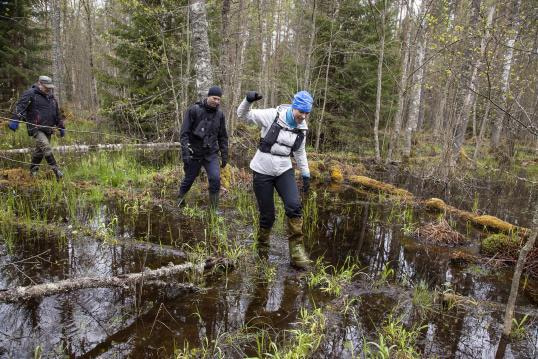
The regulation asks each member state to draft a national plan setting out where and how it will bring back wetlands, rivers, forests and farmland habitats, with measurable targets and timelines. This is where the abstract becomes concrete. A binding obligation to restore a percentage of drained peatland sounds clean in a legislative text and looks very different on a map dotted with active farms and drainage rights established over generations. The plans are the moment the law meets the land registry, and the friction is showing.

Agricultural groups, who fought the regulation hardest, are watching the drafting closely for signs that restoration will be imposed on productive land without adequate compensation or flexibility. Their concern is legitimate even where their tactics were obstructive. Rewetting a peatland can strand a working farm, and a target met on paper through coercion will not survive politically. The lawmakers who wrote the regulation understood this, which is why the plans are meant to favour incentives, voluntary uptake and public land before reaching for mandates. Whether that sequencing holds under deadline pressure is the open question.

The environmental case for moving quickly is not sentimental. Restored wetlands store carbon and buffer floods, healthy soils hold water through drought, and pollinator habitats underpin the very agriculture that fears the law. Many of the ecosystems the regulation targets are degraded to the point where delay compounds the eventual cost, and where some losses tip toward the irreversible. The economic framing that pits farming against nature misreads a relationship in which the two ultimately depend on the same ground.

Funding is the hinge on which credibility turns. Member states are expected to braid together cohesion money, agricultural payments and national budgets to finance restoration, but those streams were not designed for this purpose and compete with other priorities. A plan with bold targets and no clear financing is a plan written to fail, and several early drafts read that way. The Commission will assess the plans for exactly this gap, and its willingness to send weak ones back will signal how serious the obligation really is.

What makes this phase decisive is that it is largely invisible. The headline battles are over, the cameras have moved on, and the work now happens in environment ministries and regional agencies far from public attention. That quiet is where ambition tends to leak away. The regulation will ultimately be judged not by the votes it once survived but by whether a wetland that was drained is wet again a decade from now, and that verdict is being written, line by line, in the plans taking shape today.