August 10, 2026
LATEST
Five Joint Defence Projects Launch Europe’s Military ShieldElectrification Plan Aims to Make Europe First Electro ContinentHorizon Europe Budget Fight Heats Up as Ministers Push BackGoogle’s DMA Fine Sets Off a Transatlantic Tariff ClashTwenty New University Alliances Join Erasmus for Two YearsForeign Subsidies Case Puts Temu in the EU’s SightsVan Tachographs Now Mandatory for Cross-Border FleetsStress Test Exposes Gaps in Euro Area Bank DefencesEurope Bets on a Gulf Partnership Before the Riyadh SummitWhy the Atlantic Route Now Runs Through MauritaniaKyiv and Chisinau Advance as the EU Accession Talks Gather PaceEurope’s New Digital Border System Beds In After a Rocky RolloutBrussels Mounts Its Largest Wildfire Response as the Fires SpreadRetail Spending Slipped in June, Wrong-Footing EconomistsHeatwave Warning Puts Brussels on Alert for Vulnerable GroupsKANAL’s 230 Million Euro Museum Sets a November Opening DatePension Savings Rules Get a Reset as the EU Scraps the 1% CapMedicine Shortages Move to the Heart of Europe’s Pharma ResetJapan Becomes Europe’s Closest Security Partner in AsiaCan Europe’s New Zealand Deal Anchor It in the Pacific?Five Joint Defence Projects Launch Europe’s Military ShieldElectrification Plan Aims to Make Europe First Electro ContinentHorizon Europe Budget Fight Heats Up as Ministers Push BackGoogle’s DMA Fine Sets Off a Transatlantic Tariff ClashTwenty New University Alliances Join Erasmus for Two YearsForeign Subsidies Case Puts Temu in the EU’s SightsVan Tachographs Now Mandatory for Cross-Border FleetsStress Test Exposes Gaps in Euro Area Bank DefencesEurope Bets on a Gulf Partnership Before the Riyadh SummitWhy the Atlantic Route Now Runs Through MauritaniaKyiv and Chisinau Advance as the EU Accession Talks Gather PaceEurope’s New Digital Border System Beds In After a Rocky RolloutBrussels Mounts Its Largest Wildfire Response as the Fires SpreadRetail Spending Slipped in June, Wrong-Footing EconomistsHeatwave Warning Puts Brussels on Alert for Vulnerable GroupsKANAL’s 230 Million Euro Museum Sets a November Opening DatePension Savings Rules Get a Reset as the EU Scraps the 1% CapMedicine Shortages Move to the Heart of Europe’s Pharma ResetJapan Becomes Europe’s Closest Security Partner in AsiaCan Europe’s New Zealand Deal Anchor It in the Pacific?
August 10, 2026
LATEST
Five Joint Defence Projects Launch Europe’s Military ShieldElectrification Plan Aims to Make Europe First Electro ContinentHorizon Europe Budget Fight Heats Up as Ministers Push BackGoogle’s DMA Fine Sets Off a Transatlantic Tariff ClashTwenty New University Alliances Join Erasmus for Two YearsForeign Subsidies Case Puts Temu in the EU’s SightsVan Tachographs Now Mandatory for Cross-Border FleetsStress Test Exposes Gaps in Euro Area Bank DefencesEurope Bets on a Gulf Partnership Before the Riyadh SummitWhy the Atlantic Route Now Runs Through MauritaniaKyiv and Chisinau Advance as the EU Accession Talks Gather PaceEurope’s New Digital Border System Beds In After a Rocky RolloutBrussels Mounts Its Largest Wildfire Response as the Fires SpreadRetail Spending Slipped in June, Wrong-Footing EconomistsHeatwave Warning Puts Brussels on Alert for Vulnerable GroupsKANAL’s 230 Million Euro Museum Sets a November Opening DatePension Savings Rules Get a Reset as the EU Scraps the 1% CapMedicine Shortages Move to the Heart of Europe’s Pharma ResetJapan Becomes Europe’s Closest Security Partner in AsiaCan Europe’s New Zealand Deal Anchor It in the Pacific?Five Joint Defence Projects Launch Europe’s Military ShieldElectrification Plan Aims to Make Europe First Electro ContinentHorizon Europe Budget Fight Heats Up as Ministers Push BackGoogle’s DMA Fine Sets Off a Transatlantic Tariff ClashTwenty New University Alliances Join Erasmus for Two YearsForeign Subsidies Case Puts Temu in the EU’s SightsVan Tachographs Now Mandatory for Cross-Border FleetsStress Test Exposes Gaps in Euro Area Bank DefencesEurope Bets on a Gulf Partnership Before the Riyadh SummitWhy the Atlantic Route Now Runs Through MauritaniaKyiv and Chisinau Advance as the EU Accession Talks Gather PaceEurope’s New Digital Border System Beds In After a Rocky RolloutBrussels Mounts Its Largest Wildfire Response as the Fires SpreadRetail Spending Slipped in June, Wrong-Footing EconomistsHeatwave Warning Puts Brussels on Alert for Vulnerable GroupsKANAL’s 230 Million Euro Museum Sets a November Opening DatePension Savings Rules Get a Reset as the EU Scraps the 1% CapMedicine Shortages Move to the Heart of Europe’s Pharma ResetJapan Becomes Europe’s Closest Security Partner in AsiaCan Europe’s New Zealand Deal Anchor It in the Pacific?

MEPs Advance a Military Schengen to Speed Troop Moves

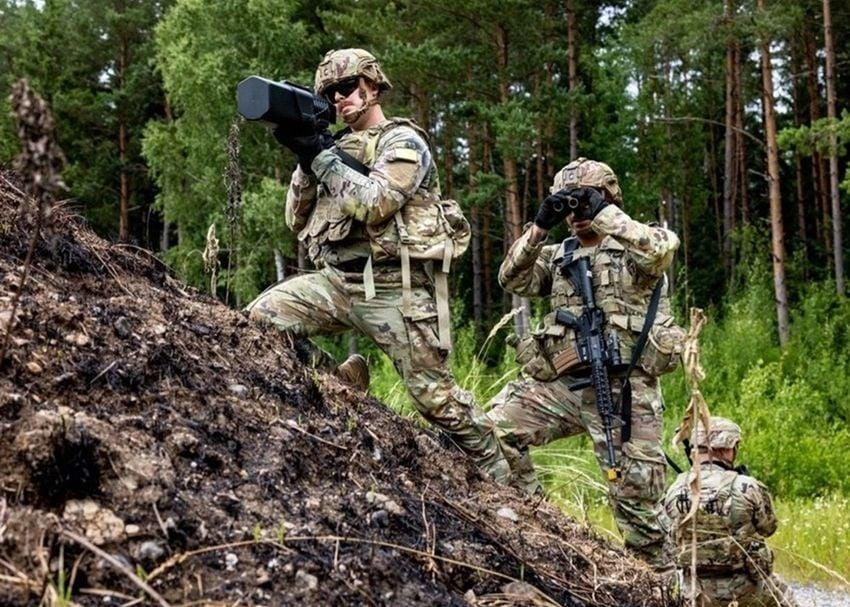
Brussels: European Parliament committees moved this week to firm up the EU’s plan for a "military Schengen", advancing legislation that would let troops and equipment cross internal borders in as little as three days as the bloc races to close gaps exposed by the war in Ukraine. The push builds on the Commission’s Military Mobility Package, presented on 19 November 2025, and a plenary resolution MEPs adopted in December 2025.

The Security and Defence and the Transport and Tourism committees are adopting their positions on measures to ease the movement of military personnel, goods and equipment, part of a drive to create an EU-wide military mobility area by 2027.

What a Military Schengen Would Do

The proposed rules would introduce the first EU-level harmonised framework for cross-border military movement, replacing today’s patchwork of national permits that can take weeks to clear. The military mobility plan sets firm time limits and streamlines customs formalities for armed forces on the move.

  • Maximum three-day processing time for routine troop and equipment transit
  • A target of 24 hours for movements during a crisis
  • An online tool to clear military movement permissions across borders
  • An emergency framework and a solidarity pool to share transport resources

Backers say the measures are essential to deter aggression, arguing that slow logistics could cripple any rapid response on Europe’s eastern flank.

Lawmakers Make Their Case

MEPs steering the file have framed military mobility as a test of the bloc’s credibility on defence. They want rapid-reaction forces able to reach a frontline without being held up at customs posts or by incompatible infrastructure.

"To maintain Europe’s strength and ability to deter aggressors, it is crucial we demonstrate our readiness to act," said MEP Petras Auštrevičius, a rapporteur on the file. "Overcoming administrative burdens and developing dual-use infrastructure is not a luxury, but a necessity."

EU Defence Commissioner Andrius Kubilius has made the same point bluntly, warning that "logistics wins wars" and that Europe cannot afford to move forces at peacetime speed in a crisis.

How We Got Here

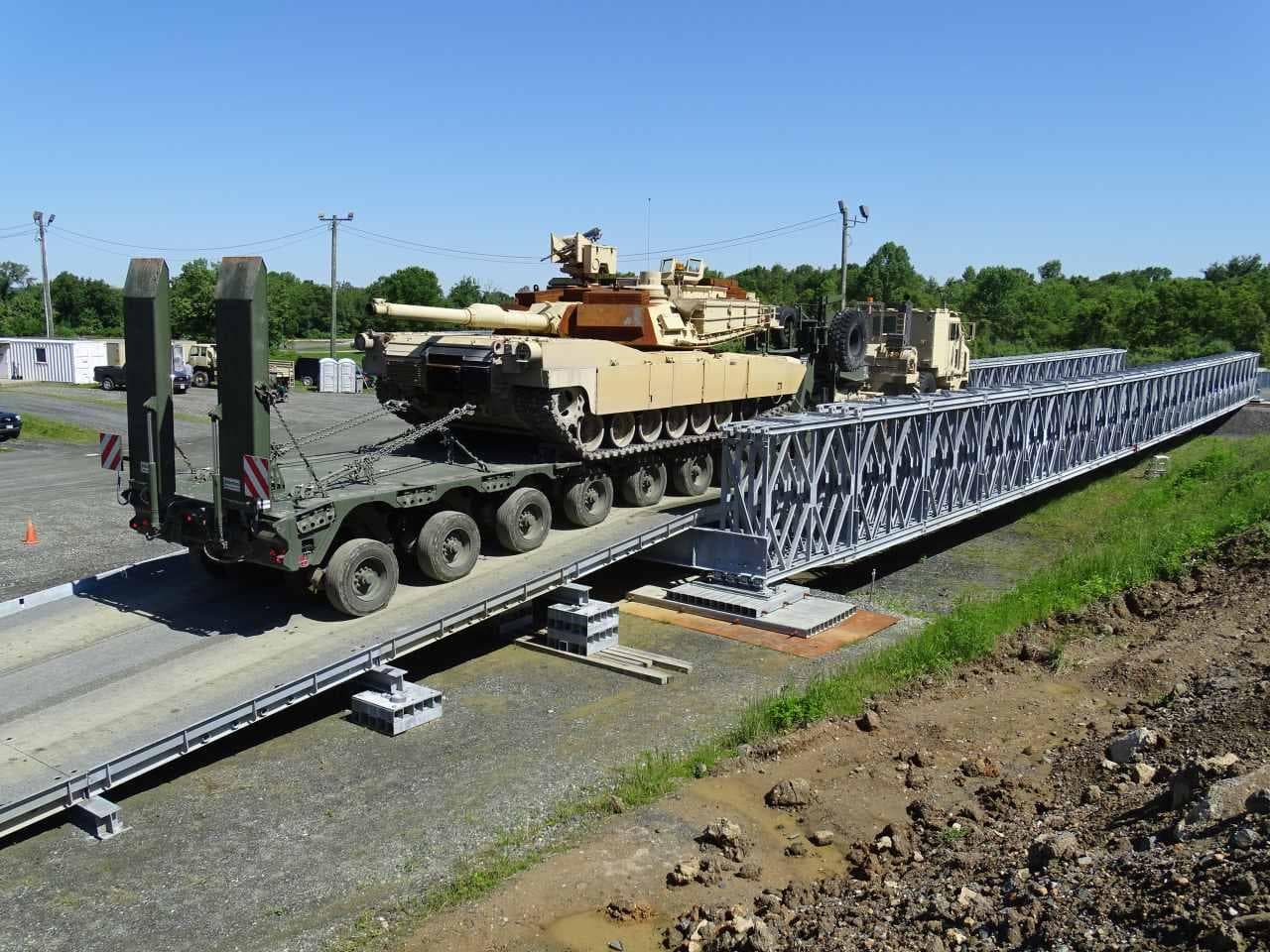
Military mobility has climbed the EU agenda since Russia’s full-scale invasion of Ukraine exposed how hard it is to shift heavy equipment across the continent. Bridges unable to bear tank weights, narrow tunnels and clashing national rules all slow deployments that NATO planners say must happen in days, not weeks.

The Commission’s November 2025 package sought to fix those bottlenecks with binding rules, dual-use infrastructure investment and digital permitting. In December 2025, Parliament backed the concept overwhelmingly, with 493 votes to 127, sending a strong political signal ahead of the legislative work now underway.

The Commission set out its blueprint in a November statement, while the Parliament described its position in its December press release.

What Happens Next

Once the committees finalise their positions, the file moves toward negotiations between Parliament and the Council under the ordinary legislative procedure. Officials want the military mobility regime operational by 2027, turning the long-discussed military Schengen from a slogan into a working system for moving Europe’s armies.