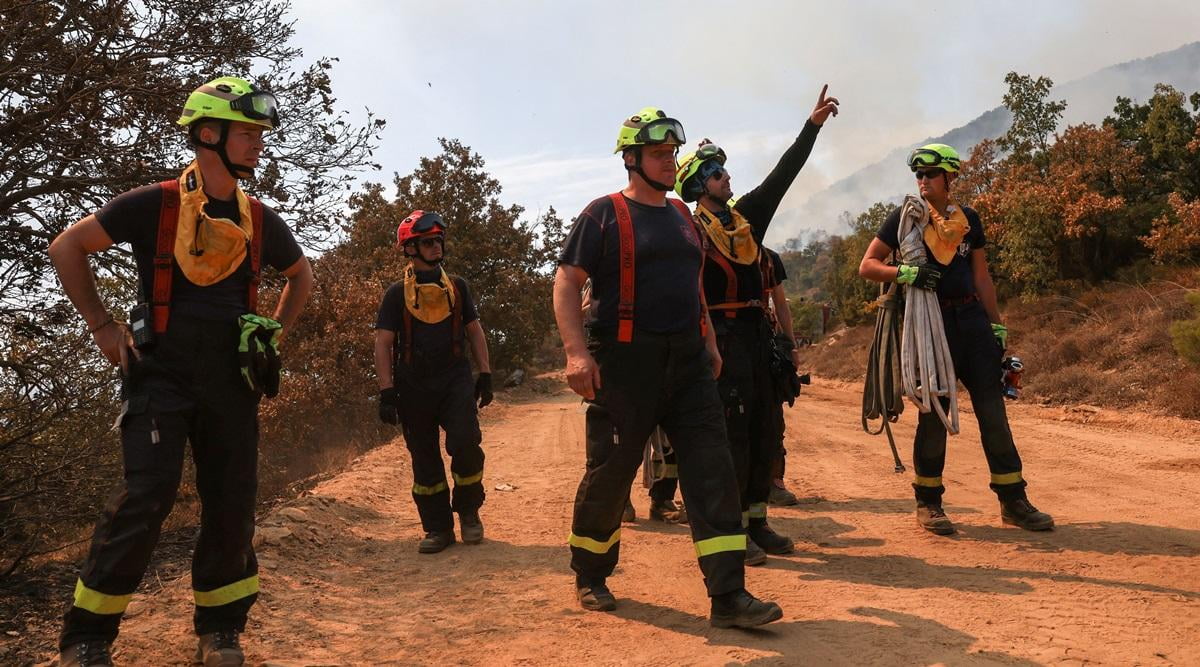
Nicosia: With the Mediterranean bracing for another punishing fire season, the European Union has assembled the largest coordinated wildfire response it has ever fielded. Nearly 800 firefighters drawn from fourteen countries have been pre-positioned across Cyprus, Greece, Italy, France, Spain and Portugal, backed by a fleet of twenty-two aircraft and five helicopters held ready under the bloc’s civil protection mechanism. It is the deepest participation since the pre-positioning scheme began in 2022, and a marker of how quickly cross-border firefighting has moved from improvisation to standing capability.
The centrepiece this year is a new regional firefighting hub on Cyprus, positioned to project help not only across southern Europe but into the wider eastern Mediterranean. Two rescEU aircraft have been stationed on the island since mid-June and will remain operational through the end of October, covering the full arc of the danger period. The idea is to shorten response times by parking assets where the fires are most likely to start, rather than scrambling them across the continent once smoke is already on the horizon.
The architecture reflects hard lessons. The mechanism works in tiers; national services fight their own fires first, a voluntary European pool supplies reinforcements, and rescEU, financed directly from the EU budget, acts as the backstop when everything else is overwhelmed. That last layer exists precisely because the summers when several countries burn at once are the ones when neighbours have nothing to spare. Pooling planes at Union level is an insurance policy against simultaneity, the scenario climate scientists say is becoming the norm rather than the exception.
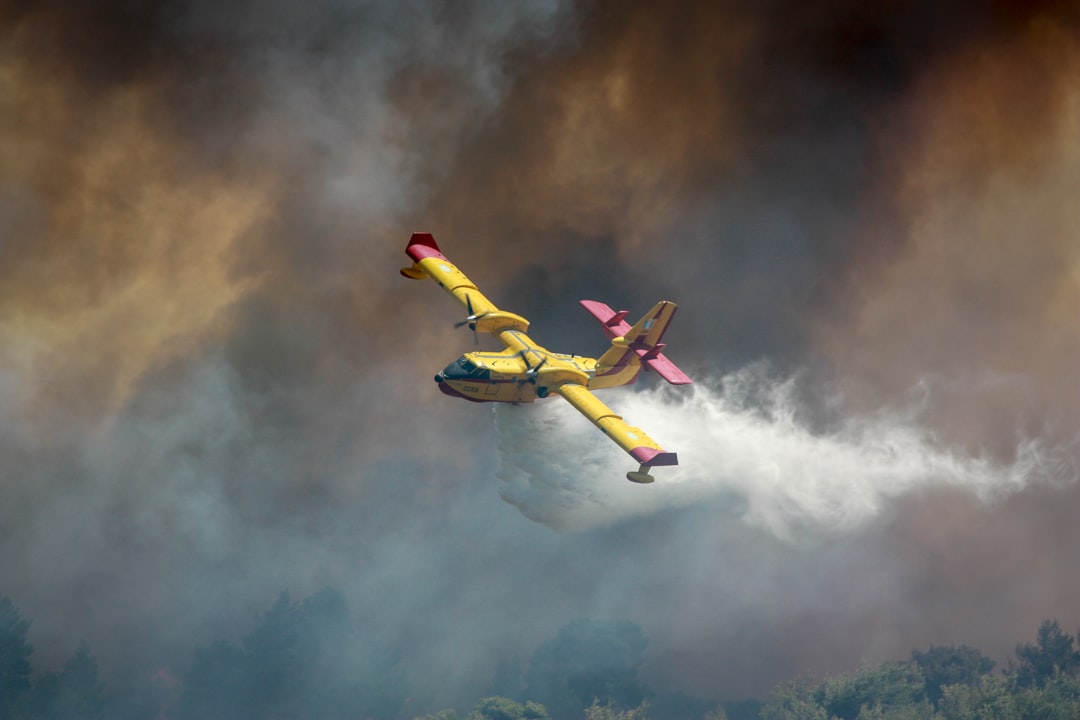
Money and aircraft, however, remain the pinch points. Europe’s ageing amphibious fleet has struggled to keep pace with demand, and orders for new purpose-built water bombers take years to fill, with several countries only now signing contracts for replacement aircraft that will not arrive for seasons yet. A record deployment this summer sits atop a supply chain that cannot expand as fast as the fires do, which means the mechanism still leans heavily on borrowed and rented capacity to hit its numbers.
There is also a quieter question about prevention. Aerial firefighting is dramatic and politically satisfying, but specialists caution that planes treat the symptom. Landscapes left tinder-dry by drought, rural depopulation that lets brush accumulate, and building patterns that push homes into fire-prone hills all load the dice before a single spark. The Union has begun steering attention and funds toward preparedness and land management, yet those efforts lack the visibility of a water bomber sweeping over a burning ridge.
For the residents of the southern rim, the calculus is simpler. A pre-positioned crew and an aircraft an hour closer can be the difference between a contained blaze and a village evacuated. Whether or not the deeper drivers are ever tackled, the fleet fanning out this summer is the most tangible sign yet that Europe has accepted wildfire as a permanent feature of its warming climate, and has started to organise accordingly.