August 10, 2026
LATEST
Duty-Free Parcels Reach the End of the Line for EU ShoppersAfter Nine Years, Europe and Australia Seal a Trade PactBeijing Answers Europe’s Russia Sanctions in KindOne Year On, the EU-Japan Alliance Faces Its First TestEurope’s Chip Ambitions Still Run Through Taiwan’s FabsWhy South Korea Bet Its Research Future on Europe’s ProgrammeEurope and Japan Deepen Their Economic Alliance as Rivals CircleFive Joint Defence Projects Launch Europe’s Military ShieldElectrification Plan Aims to Make Europe First Electro ContinentHorizon Europe Budget Fight Heats Up as Ministers Push BackGoogle’s DMA Fine Sets Off a Transatlantic Tariff ClashTwenty New University Alliances Join Erasmus for Two YearsForeign Subsidies Case Puts Temu in the EU’s SightsVan Tachographs Now Mandatory for Cross-Border FleetsStress Test Exposes Gaps in Euro Area Bank DefencesEurope Bets on a Gulf Partnership Before the Riyadh SummitWhy the Atlantic Route Now Runs Through MauritaniaKyiv and Chisinau Advance as the EU Accession Talks Gather PaceEurope’s New Digital Border System Beds In After a Rocky RolloutBrussels Mounts Its Largest Wildfire Response as the Fires SpreadDuty-Free Parcels Reach the End of the Line for EU ShoppersAfter Nine Years, Europe and Australia Seal a Trade PactBeijing Answers Europe’s Russia Sanctions in KindOne Year On, the EU-Japan Alliance Faces Its First TestEurope’s Chip Ambitions Still Run Through Taiwan’s FabsWhy South Korea Bet Its Research Future on Europe’s ProgrammeEurope and Japan Deepen Their Economic Alliance as Rivals CircleFive Joint Defence Projects Launch Europe’s Military ShieldElectrification Plan Aims to Make Europe First Electro ContinentHorizon Europe Budget Fight Heats Up as Ministers Push BackGoogle’s DMA Fine Sets Off a Transatlantic Tariff ClashTwenty New University Alliances Join Erasmus for Two YearsForeign Subsidies Case Puts Temu in the EU’s SightsVan Tachographs Now Mandatory for Cross-Border FleetsStress Test Exposes Gaps in Euro Area Bank DefencesEurope Bets on a Gulf Partnership Before the Riyadh SummitWhy the Atlantic Route Now Runs Through MauritaniaKyiv and Chisinau Advance as the EU Accession Talks Gather PaceEurope’s New Digital Border System Beds In After a Rocky RolloutBrussels Mounts Its Largest Wildfire Response as the Fires Spread
August 10, 2026
LATEST
Duty-Free Parcels Reach the End of the Line for EU ShoppersAfter Nine Years, Europe and Australia Seal a Trade PactBeijing Answers Europe’s Russia Sanctions in KindOne Year On, the EU-Japan Alliance Faces Its First TestEurope’s Chip Ambitions Still Run Through Taiwan’s FabsWhy South Korea Bet Its Research Future on Europe’s ProgrammeEurope and Japan Deepen Their Economic Alliance as Rivals CircleFive Joint Defence Projects Launch Europe’s Military ShieldElectrification Plan Aims to Make Europe First Electro ContinentHorizon Europe Budget Fight Heats Up as Ministers Push BackGoogle’s DMA Fine Sets Off a Transatlantic Tariff ClashTwenty New University Alliances Join Erasmus for Two YearsForeign Subsidies Case Puts Temu in the EU’s SightsVan Tachographs Now Mandatory for Cross-Border FleetsStress Test Exposes Gaps in Euro Area Bank DefencesEurope Bets on a Gulf Partnership Before the Riyadh SummitWhy the Atlantic Route Now Runs Through MauritaniaKyiv and Chisinau Advance as the EU Accession Talks Gather PaceEurope’s New Digital Border System Beds In After a Rocky RolloutBrussels Mounts Its Largest Wildfire Response as the Fires SpreadDuty-Free Parcels Reach the End of the Line for EU ShoppersAfter Nine Years, Europe and Australia Seal a Trade PactBeijing Answers Europe’s Russia Sanctions in KindOne Year On, the EU-Japan Alliance Faces Its First TestEurope’s Chip Ambitions Still Run Through Taiwan’s FabsWhy South Korea Bet Its Research Future on Europe’s ProgrammeEurope and Japan Deepen Their Economic Alliance as Rivals CircleFive Joint Defence Projects Launch Europe’s Military ShieldElectrification Plan Aims to Make Europe First Electro ContinentHorizon Europe Budget Fight Heats Up as Ministers Push BackGoogle’s DMA Fine Sets Off a Transatlantic Tariff ClashTwenty New University Alliances Join Erasmus for Two YearsForeign Subsidies Case Puts Temu in the EU’s SightsVan Tachographs Now Mandatory for Cross-Border FleetsStress Test Exposes Gaps in Euro Area Bank DefencesEurope Bets on a Gulf Partnership Before the Riyadh SummitWhy the Atlantic Route Now Runs Through MauritaniaKyiv and Chisinau Advance as the EU Accession Talks Gather PaceEurope’s New Digital Border System Beds In After a Rocky RolloutBrussels Mounts Its Largest Wildfire Response as the Fires Spread

Why Europe Wants Fewer Telecom Operators And Stronger Networks

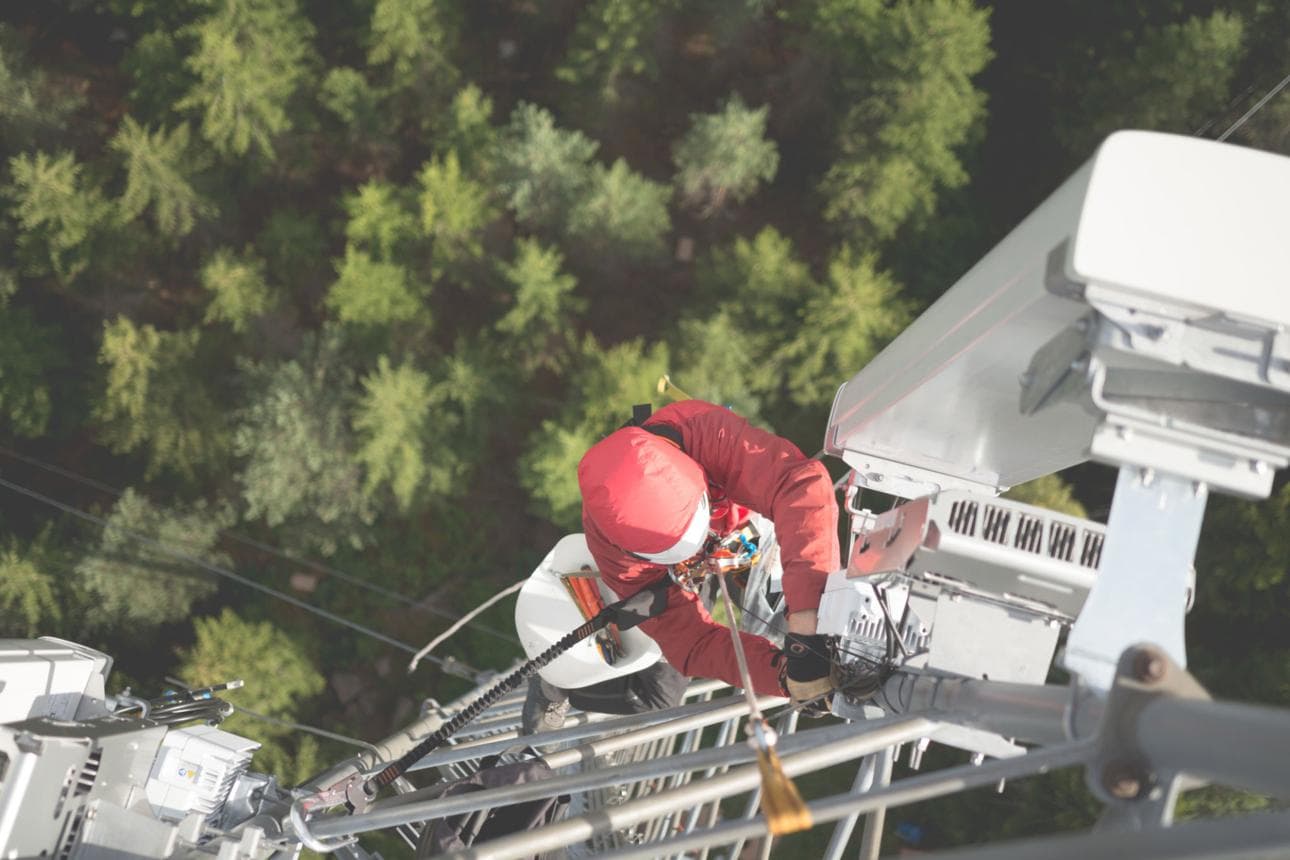
Stockholm: From the engineering floors that helped wire much of the world’s mobile traffic, the complaint is always the same. Europe is trying to run a continental digital economy on a market chopped into national slivers. The continent has well over a hundred mobile operators serving a population not far off that of the United States, where three carriers dominate. That fragmentation, the industry insists, is why European networks lag on investment, on average revenue per user, and increasingly on the rollout of standalone 5G.

Brussels has finally taken the argument seriously. The Commission’s Digital Networks Act, championed by digital chief Henna Virkkunen, would rewrite the rulebook that has governed telecoms since the single market was young. The pitch is consolidation: make it easier for operators to merge across borders, harmonise spectrum licences so they are issued for longer and on comparable terms, and treat the bloc more like one network than twenty-seven. Officials talk openly of wanting European champions large enough to bankroll fibre and 5G without leaning on state aid or foreign capital.

The logic is not hard to follow. Building networks is brutally capital-intensive, and a carrier confined to a single mid-sized country struggles to earn the returns that justify the spending. Supporters point to the gap with American and East Asian operators, who enjoy scale that European firms can only envy. Defence and economic-security hawks add their own twist, arguing that critical infrastructure should not depend on vendors or investors outside the bloc.

Yet the same word that thrills the industry, consolidation, alarms almost everyone else. Consumer groups warn that fewer operators almost always means higher bills, and they have two decades of competition decisions on their side. Regulators have long blocked four-to-three mergers precisely because prices tend to climb when a market loses a player. BEREC, the body that coordinates national watchdogs, has signalled it will not simply wave through a wave of tie-ups dressed up as industrial policy. The fear is a Europe that delivers shiny networks at premium prices to households already squeezed.

There is also a turf war buried in the proposal. Spectrum and merger control have traditionally been national prerogatives, jealously guarded by capitals and their regulators. Shifting that power toward Brussels, even partly, touches a nerve in member states that see telecoms as both a revenue source and a lever of domestic policy. Expect the loudest resistance to come not from rival companies but from governments reluctant to surrender control.

The deeper question is whether scale alone fixes Europe’s digital lag, or whether it just rewards incumbents for problems of their own making. Critics note that operators have spent freely on dividends and share buybacks while pleading poverty on investment. Handing them a friendlier merger regime without firm coverage and pricing commitments, they argue, risks privatising the gains and socialising the disappointment.

What is clear is that the comfortable status quo is ending. The Commission has decided that a patchwork of small national markets is a strategic weakness, not a quirk. The fight now is over the price, in both senses, that Europe’s households will pay to fix it.