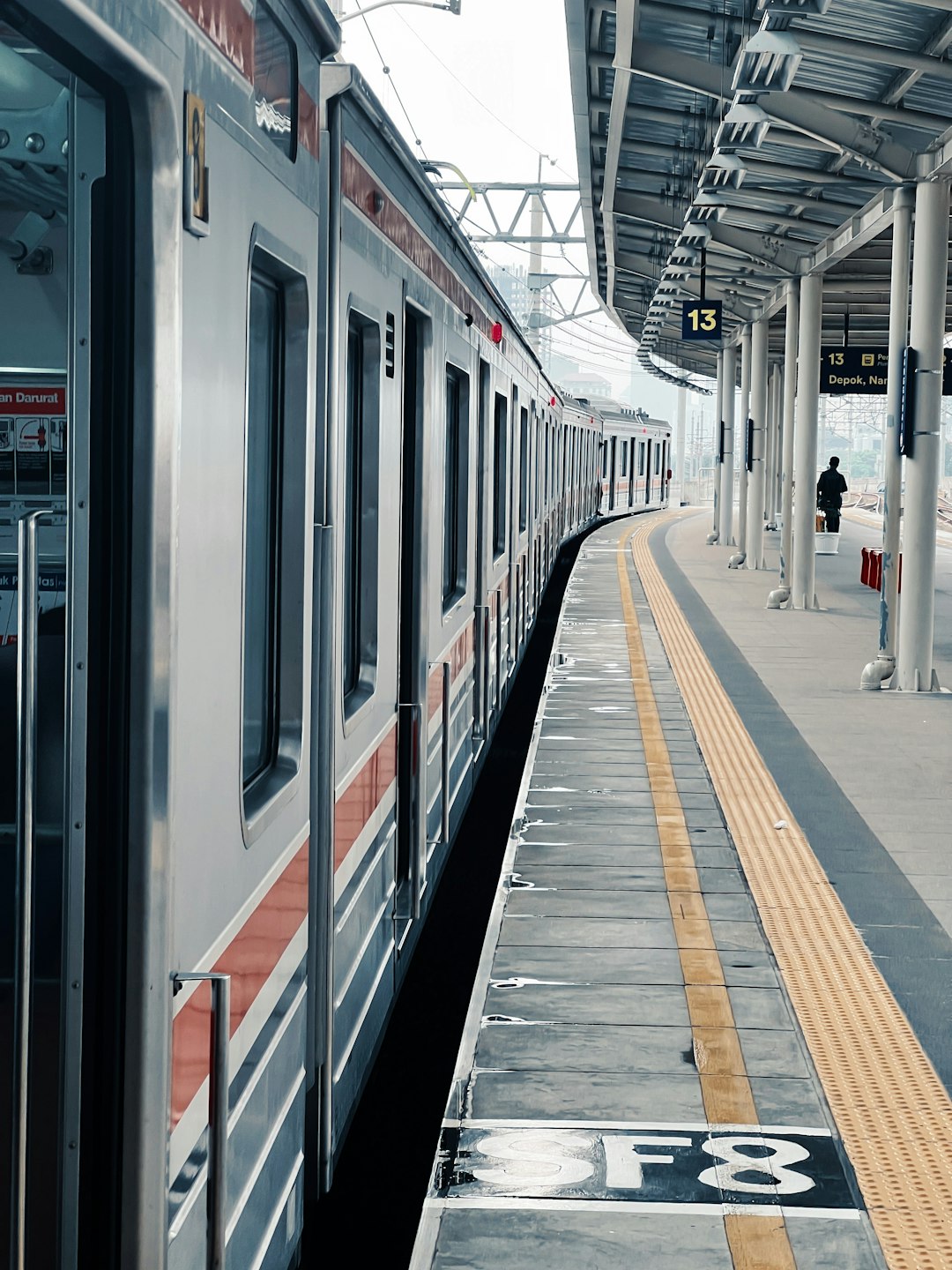
Brussels: Anyone who has tried to cobble together a cross-border rail journey in Europe knows the quiet absurdity of it. A single trip can mean three websites, three separate tickets, three sets of terms, and the grim certainty that if the first train runs late, the second operator owes you nothing. The European Commission’s new ticketing package, unveiled in mid-May, is an attempt to retire that experience for good. Its slogan, one journey, one ticket, full rights, is plain enough. Delivering it will be anything but.
The proposal bundles three legislative pieces: a regulation on rail ticketing, a regulation on multimodal digital mobility services, and an amendment to the existing rail passenger rights rules. Taken together they aim at a single outcome. A passenger booking a multi-operator trip through one platform, in one transaction, would walk away with one ticket covering the whole route, and crucially, would keep full protection if a connection is missed. Assistance, rerouting, reimbursement and compensation would follow the passenger rather than evaporating in the gap between two railways.
That last point is where the proposal earns its weight. Under today’s rules, the traveller carries all the risk of the connection. Buy your Paris-to-Munich legs separately and a delay on the first leaves you stranded and out of pocket on the second. The Commission wants to flip that burden onto the operators and platforms that sold the journey, so that a single ticket means a single chain of liability. It is the kind of change that sounds technical and feels enormous the first time it saves someone a ruined evening in an unfamiliar station.
The package also takes aim at how journeys are sold. Ticketing platforms and operators would face new obligations to grant fair access to ticket inventory and to present travel options neutrally, including, where feasible, sorting by greenhouse-gas emissions. The intent is to stop dominant players from burying rivals or steering travellers toward the most profitable rather than the cleanest or cheapest route. For an industry where data and shelf-space are quietly decisive, those rules could reshape who wins the booking.
None of this is settled. The proposals now enter the ordinary legislative procedure, which means the Council and the European Parliament will spend months, more likely years, negotiating the detail. Incumbent national operators have historically guarded their booking systems and commercial data jealously, and the question of who must open what, and on what terms, is exactly the sort of fight that drags. Smaller operators and digital newcomers will push for the widest possible access; the giants will warn about cost, security and commercial confidentiality.
There is a larger ambition lurking underneath. The Union has spent years insisting that rail must carry more of the continent’s travel if its climate targets are to mean anything, yet the booking experience has remained a deterrent dressed up as an inconvenience. Making a Lisbon-to-Vienna trip as simple to buy as a flight would do more for modal shift than many a subsidy. Whether Brussels can turn a tidy slogan into working law, against the resistance of those who profit from the current friction, is the test now beginning. The destination is appealing. The route, as ever in European rail, is the hard part.