Canberra: Europe has spent years hunting for a way out of its dependence on Chinese critical minerals, and Australia now hands it the clearest route yet.
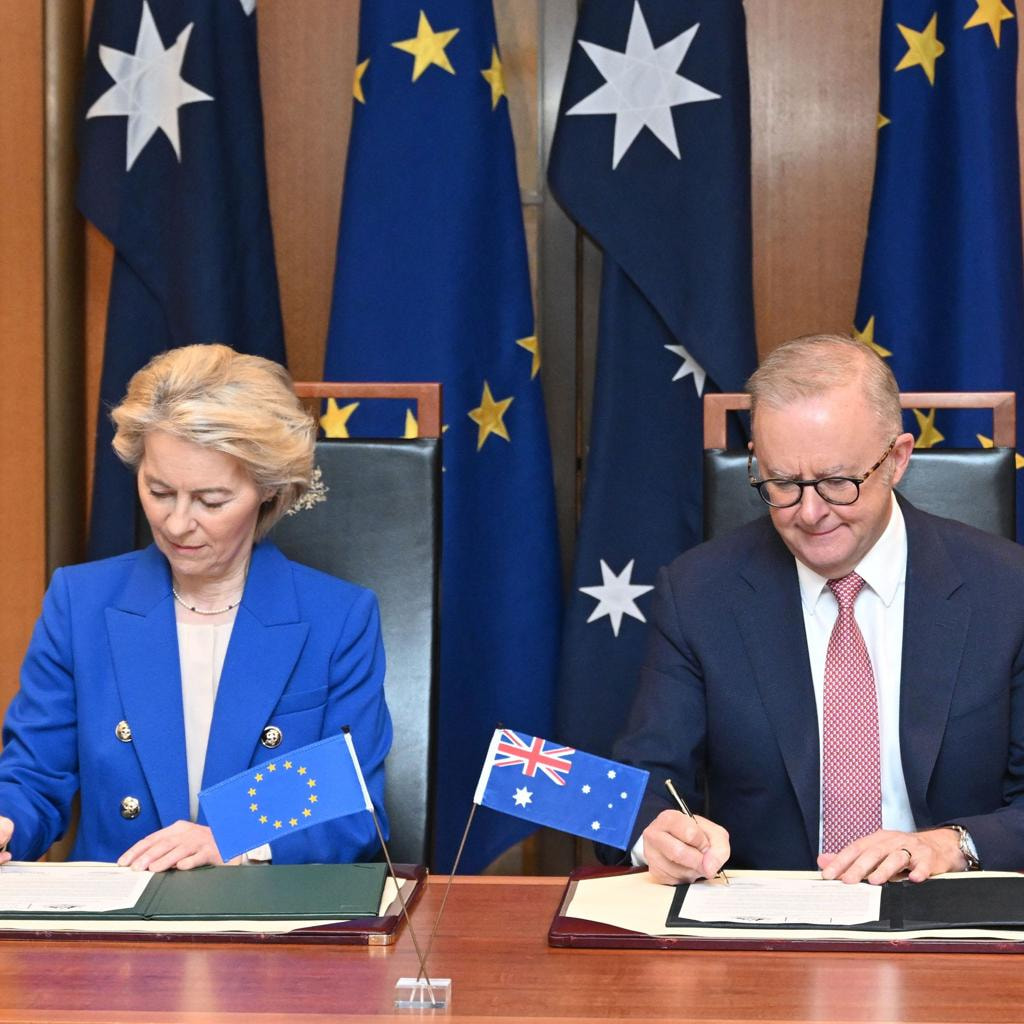
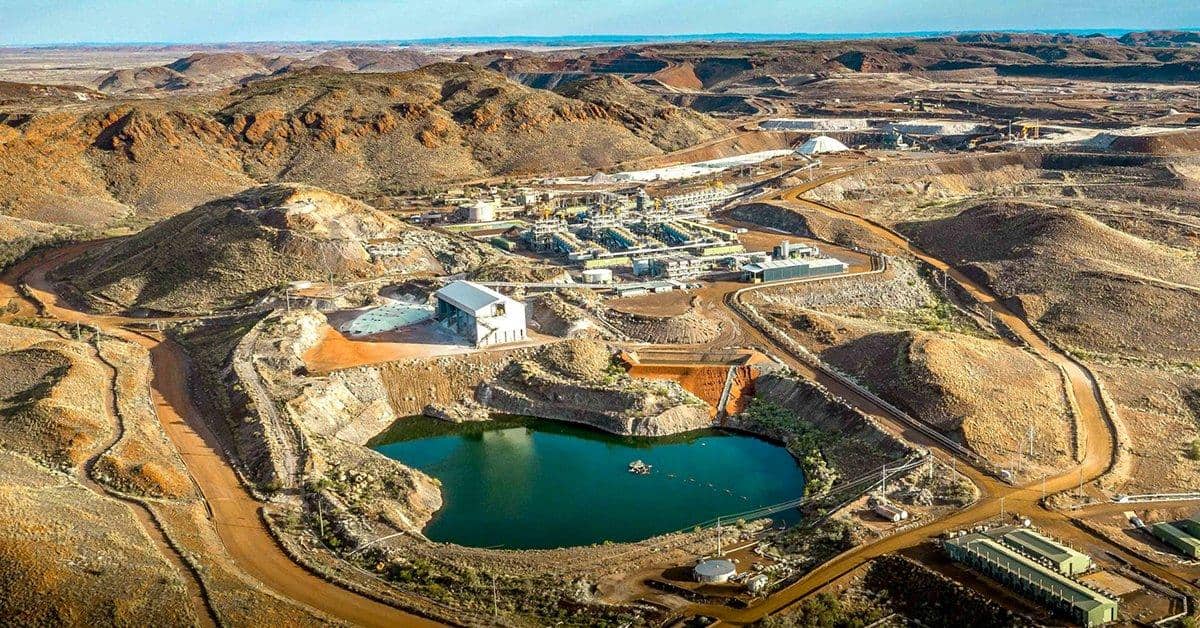
After eight years of stop-start negotiations, the two sides sealed a free trade agreement earlier this year that removes tariffs from almost all goods. The deal matters most for what lies beneath Australian soil: lithium, rare earths, antimony and tungsten, the raw materials that feed Europe’s batteries, wind turbines and defence factories.
Brussels wanted this badly. China controls the lion’s share of global rare earth processing, and it reminded the world of that leverage when it tightened export licences on magnets and strategic metals. European carmakers and arms producers watched their supply lines wobble almost overnight.
Australia solves part of that problem. It sits on some of the planet’s richest mineral deposits and, unlike Beijing, shares Europe’s rulebook on labour, environmental standards and open markets. The agreement upgrades an earlier partnership on sustainable critical minerals and promises tariff-free access for lithium hydroxide and hydrogen, products that had faced duties of up to 5.5 percent.
Yet the deal is no instant cure. Australia digs the ore but still ships much of it to China for refining, because processing plants are expensive, slow to build and politically fraught. Europe cannot simply reroute those flows overnight. Analysts warn that genuine independence will take a decade of investment in downstream smelters and separation facilities on both continents.
Canberra also extracted concessions. Some Australian farm exports, including beef and sheep meat, will enter Europe only through quotas, a compromise that protects nervous European farmers while giving Australian producers a foothold.
The timing is no accident. Washington’s swing toward steep tariffs pushed middle powers to hedge, and Australia chose to deepen ties with a partner that still preaches predictable trade rules. Canberra had watched its exporters absorb sudden American duties and concluded that a diversified customer base was now a matter of national resilience rather than commercial preference.
For the European Union, every tonne of non-Chinese lithium strengthens its hand in a contest that now runs through mines rather than missiles. The bloc has learned that industrial dependence can be weaponised as swiftly as any tariff, and it is determined not to be caught short a second time.
The test comes next. Signatures bind governments, but only capital builds refineries. If European and Australian firms match the political ambition with real money, the agreement could reshape a supply chain that Beijing has dominated for a generation. If they hesitate, it becomes another paper triumph, admired in communiques and ignored in the market.