August 10, 2026
LATEST
One Year On, the EU-Japan Alliance Faces Its First TestEurope’s Chip Ambitions Still Run Through Taiwan’s FabsWhy South Korea Bet Its Research Future on Europe’s ProgrammeEurope and Japan Deepen Their Economic Alliance as Rivals CircleFive Joint Defence Projects Launch Europe’s Military ShieldElectrification Plan Aims to Make Europe First Electro ContinentHorizon Europe Budget Fight Heats Up as Ministers Push BackGoogle’s DMA Fine Sets Off a Transatlantic Tariff ClashTwenty New University Alliances Join Erasmus for Two YearsForeign Subsidies Case Puts Temu in the EU’s SightsVan Tachographs Now Mandatory for Cross-Border FleetsStress Test Exposes Gaps in Euro Area Bank DefencesEurope Bets on a Gulf Partnership Before the Riyadh SummitWhy the Atlantic Route Now Runs Through MauritaniaKyiv and Chisinau Advance as the EU Accession Talks Gather PaceEurope’s New Digital Border System Beds In After a Rocky RolloutBrussels Mounts Its Largest Wildfire Response as the Fires SpreadRetail Spending Slipped in June, Wrong-Footing EconomistsHeatwave Warning Puts Brussels on Alert for Vulnerable GroupsKANAL’s 230 Million Euro Museum Sets a November Opening DateOne Year On, the EU-Japan Alliance Faces Its First TestEurope’s Chip Ambitions Still Run Through Taiwan’s FabsWhy South Korea Bet Its Research Future on Europe’s ProgrammeEurope and Japan Deepen Their Economic Alliance as Rivals CircleFive Joint Defence Projects Launch Europe’s Military ShieldElectrification Plan Aims to Make Europe First Electro ContinentHorizon Europe Budget Fight Heats Up as Ministers Push BackGoogle’s DMA Fine Sets Off a Transatlantic Tariff ClashTwenty New University Alliances Join Erasmus for Two YearsForeign Subsidies Case Puts Temu in the EU’s SightsVan Tachographs Now Mandatory for Cross-Border FleetsStress Test Exposes Gaps in Euro Area Bank DefencesEurope Bets on a Gulf Partnership Before the Riyadh SummitWhy the Atlantic Route Now Runs Through MauritaniaKyiv and Chisinau Advance as the EU Accession Talks Gather PaceEurope’s New Digital Border System Beds In After a Rocky RolloutBrussels Mounts Its Largest Wildfire Response as the Fires SpreadRetail Spending Slipped in June, Wrong-Footing EconomistsHeatwave Warning Puts Brussels on Alert for Vulnerable GroupsKANAL’s 230 Million Euro Museum Sets a November Opening Date
August 10, 2026
LATEST
One Year On, the EU-Japan Alliance Faces Its First TestEurope’s Chip Ambitions Still Run Through Taiwan’s FabsWhy South Korea Bet Its Research Future on Europe’s ProgrammeEurope and Japan Deepen Their Economic Alliance as Rivals CircleFive Joint Defence Projects Launch Europe’s Military ShieldElectrification Plan Aims to Make Europe First Electro ContinentHorizon Europe Budget Fight Heats Up as Ministers Push BackGoogle’s DMA Fine Sets Off a Transatlantic Tariff ClashTwenty New University Alliances Join Erasmus for Two YearsForeign Subsidies Case Puts Temu in the EU’s SightsVan Tachographs Now Mandatory for Cross-Border FleetsStress Test Exposes Gaps in Euro Area Bank DefencesEurope Bets on a Gulf Partnership Before the Riyadh SummitWhy the Atlantic Route Now Runs Through MauritaniaKyiv and Chisinau Advance as the EU Accession Talks Gather PaceEurope’s New Digital Border System Beds In After a Rocky RolloutBrussels Mounts Its Largest Wildfire Response as the Fires SpreadRetail Spending Slipped in June, Wrong-Footing EconomistsHeatwave Warning Puts Brussels on Alert for Vulnerable GroupsKANAL’s 230 Million Euro Museum Sets a November Opening DateOne Year On, the EU-Japan Alliance Faces Its First TestEurope’s Chip Ambitions Still Run Through Taiwan’s FabsWhy South Korea Bet Its Research Future on Europe’s ProgrammeEurope and Japan Deepen Their Economic Alliance as Rivals CircleFive Joint Defence Projects Launch Europe’s Military ShieldElectrification Plan Aims to Make Europe First Electro ContinentHorizon Europe Budget Fight Heats Up as Ministers Push BackGoogle’s DMA Fine Sets Off a Transatlantic Tariff ClashTwenty New University Alliances Join Erasmus for Two YearsForeign Subsidies Case Puts Temu in the EU’s SightsVan Tachographs Now Mandatory for Cross-Border FleetsStress Test Exposes Gaps in Euro Area Bank DefencesEurope Bets on a Gulf Partnership Before the Riyadh SummitWhy the Atlantic Route Now Runs Through MauritaniaKyiv and Chisinau Advance as the EU Accession Talks Gather PaceEurope’s New Digital Border System Beds In After a Rocky RolloutBrussels Mounts Its Largest Wildfire Response as the Fires SpreadRetail Spending Slipped in June, Wrong-Footing EconomistsHeatwave Warning Puts Brussels on Alert for Vulnerable GroupsKANAL’s 230 Million Euro Museum Sets a November Opening Date

Brussels and Manila Enter the Final Stretch on a Trade Pact

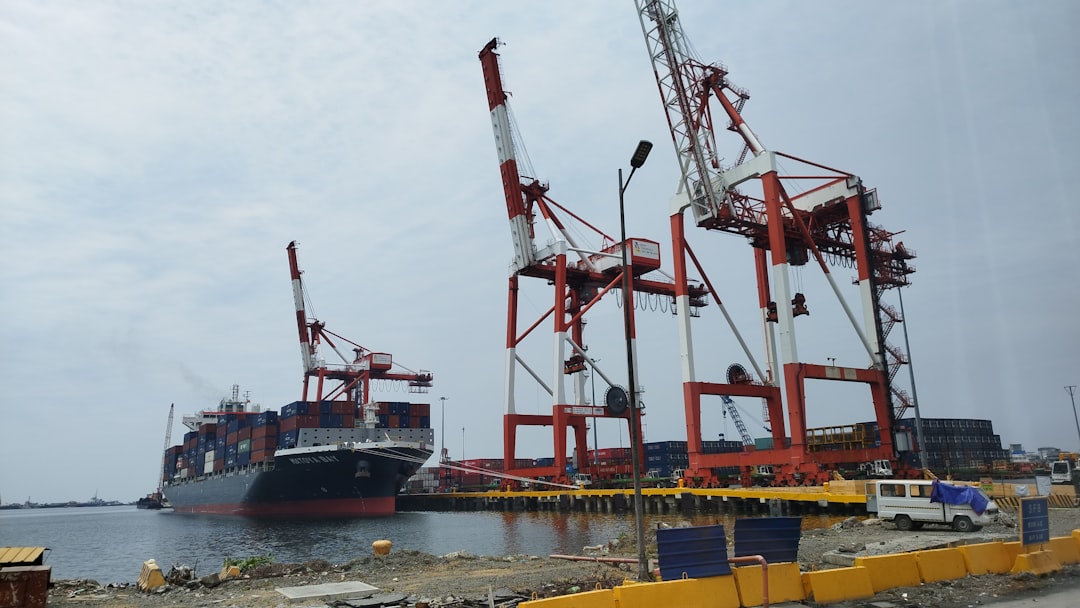
Manila: When EU and Philippine negotiators sit down in Brussels from 29 June, they will be closer to a free trade agreement than at any point in the eleven years since talks first opened. The sixth round wrapped up in Manila in late May with reported breakthroughs on rules of origin, intellectual property, digital trade and market access for goods and services. Both governments now speak openly of concluding the deal in the second half of this year, and Philippine officials have floated a third-quarter signing as a realistic target.

The speed is notable because the relationship was, until recently, frozen. Negotiations launched in December 2015 collapsed after Brussels raised human rights concerns during the Duterte presidency. The reset came in 2023, when Ferdinand Marcos Jr and Ursula von der Leyen agreed to relaunch, with formal talks resuming in March 2024. That a stalled file has reached its final chapters in barely two years tells you how much the strategic calculus has shifted on both sides.

For Manila, the logic is defensive as much as commercial. The Philippines wants to lock in preferential access to a market of 450 million consumers before its current duty-free entry under the EU’s GSP+ scheme expires, and it wants insurance against an over-reliance on a single dominant trading partner in its own neighbourhood. A binding agreement converts a unilateral, revocable trade preference into a contract that outlasts any one government in either capital. For exporters of electronics, coconut products and garments, that certainty is worth more than the headline tariff cut.

For the European Union, the deal is one tile in a much larger Indo-Pacific mosaic. Brussels has spent the past two years signing or advancing agreements across the region precisely because it no longer treats trade policy as separate from security policy. Each pact widens the circle of partners willing to trade on European terms rather than on those set elsewhere. The Philippines, astride some of the world’s most contested sea lanes, carries a geopolitical weight that its modest trade volumes alone would not justify.

The harder questions are the familiar ones. Brussels will press for enforceable commitments on labour rights, environmental standards and the rule of law, the same chapters that sank the first attempt. Manila will resist anything that looks like conditionality imposed from outside. Agriculture and government procurement, the focus of the coming rounds, are where domestic lobbies on both sides dig in hardest. A deal concluded in principle this year would still face years of legal scrubbing and parliamentary ratification before a single tariff falls.

Still, the direction of travel is clear. The Philippines has chosen to anchor part of its economic future to a rules-based partner an ocean away, and the EU has decided that presence in Southeast Asia is no longer optional. Whether the final text matches the current optimism will depend on how much sovereignty each side is willing to trade for access. On the evidence of the last two years, both have concluded the bargain is worth striking.