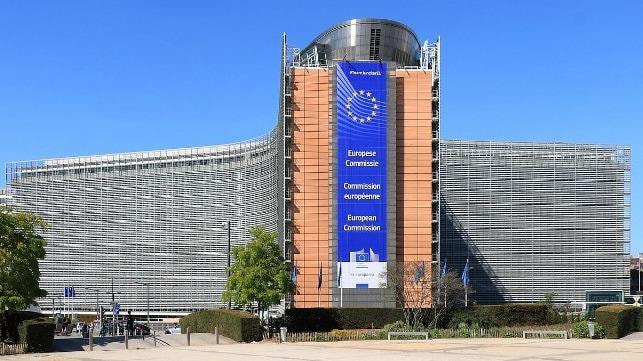
Strasbourg: It is rare for a trade agreement to be simultaneously in force and on trial, yet that is precisely the limbo the European Union has engineered for its pact with Mercosur. Since 1 May the deal connecting Europe to Brazil, Argentina, Paraguay and Uruguay has been provisionally applied, allowing exporters on both sides to claim lower tariffs and wider access. At the same time, the agreement sits before the Court of Justice of the European Union, referred there by the very Parliament that is supposed to bless it.
The sequence has been bruising. In January a qualified majority of member states waved the deal through the Council by 21 votes to five, with Austria, France, Hungary, Ireland and Poland opposed and Belgium pointedly abstaining. The signing took place in Asuncion days later. Then, on 21 January, the Parliament voted 334 to 324 to ask the Court whether the agreement can be applied before every national legislature has ratified it, and whether its provisions quietly constrain Europe’s freedom to set its own environmental and food-safety rules. The margin, ten votes, captures how evenly Europe is split.
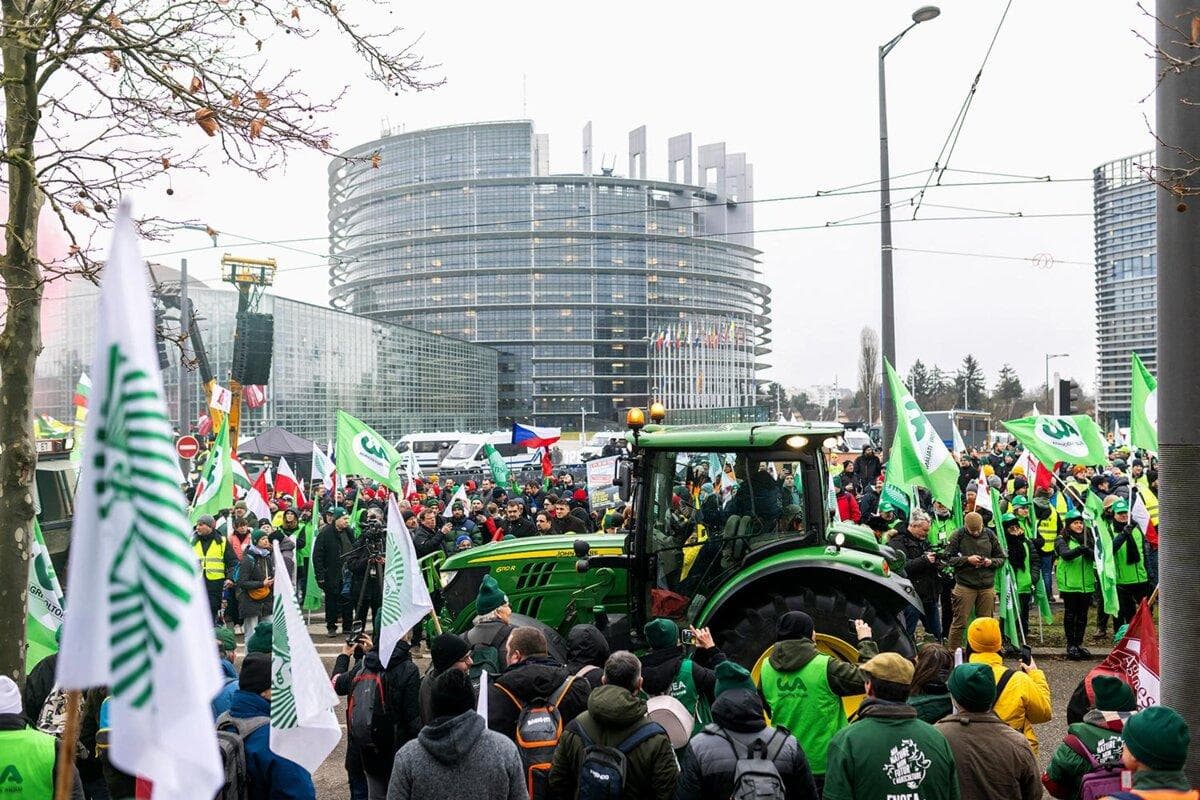
Outside the chamber the politics were rawer still. The day before the vote, thousands of farmers drove their tractors into Strasbourg, blocked the approaches to Parliament and clashed with police. Their grievance is concrete. They fear a surge of cheaper South American beef, poultry and sugar produced under rules on pesticides and animal welfare that European producers are forbidden to use. France, the bloc’s largest agricultural power, has made their case its own, and Paris shows no sign of relenting.
Defenders of the agreement answer with the language of strategic autonomy. A continent that has watched Washington turn protectionist and Beijing weaponise its supply chains, they argue, cannot afford to spurn a market of nearly 300 million people rich in beef, grain and the critical minerals that electric vehicles and wind turbines demand. To walk away, in this telling, would hand Latin America to competitors only too willing to fill the space. The mirror tariffs and safeguard clauses written into the text are meant to reassure nervous farmers, though few of them appear convinced.
What makes the moment genuinely novel is the constitutional question underneath the trade quarrel. By splitting the accord into a trade pillar that can move by qualified majority and a broader partnership requiring unanimous ratification, the Commission found a way to deliver economic benefits quickly while parking the politically toxic parts. Critics see a manoeuvre that hollows out the role of national parliaments; supporters see pragmatism in a Union too often paralysed by a single dissenting capital. The Court’s eventual opinion, expected to take many months, will shape far more than one agreement with South America. It will help decide how the European Union strikes any future deal when its members cannot agree.
For now the trucks roll, the tariffs fall and the judges deliberate. Brussels has its deal, but not yet its legitimacy, and the difference between the two has rarely mattered more.