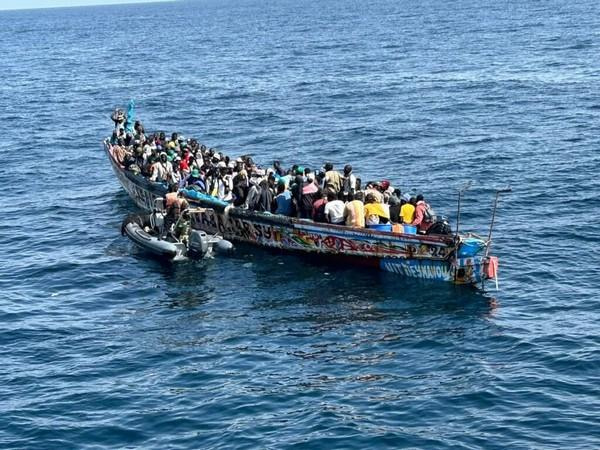
Port Sudan: Sudan’s collapse now outpaces almost every other crisis on the planet, and Europe has answered with its largest single commitment to the country in years. At a conference in Berlin in April, the EU and its member states pledged more than €812 million to ease a war that has driven millions from their homes. This Sudan aid package tests how far Europe’s humanitarian reach can stretch.
The figures behind the pledge tell a grim story. The European Commission alone committed €360.8 million, splitting the sum between people trapped inside Sudan and refugees who have fled across the borders. Roughly €215 million supports those still in the country, while €145 million reaches Chad, South Sudan, Ethiopia, Egypt and other neighbours now absorbing the outflow.
Europe casts the money as lifesaving rather than political. Aid workers will use it to buy food, run health clinics, deliver clean water and shelter families who have lost everything. The Commission has allocated €162 million for Sudan specifically in 2026, and it counts more than €1 billion in assistance to the country since 2013.
Yet money alone cannot solve the deeper problem. Fighting between rival military factions has shattered supply routes, and aid convoys often cannot reach the people who need them most. Famine conditions have taken hold in parts of the country, and humanitarian access remains the single greatest obstacle. Europe can write the cheque, but it cannot guarantee the trucks get through.
That limit exposes a wider debate now unfolding in Brussels. The Commission has begun reforming how it delivers humanitarian aid, arguing that rising needs and shrinking budgets force hard choices. Officials talk openly about stretching every euro further, and Sudan has become the case study for whether that ambition meets reality.
The diplomacy matters as much as the funding. By hosting pledges and rallying partners, Europe positions itself as a convening power in a crisis that larger players have largely ignored. That role carries weight, and it lets the bloc claim moral standing at a time when its foreign policy often struggles for coherence. Sudan hands Europe a rare chance to lead.
Still, the gap between pledges and outcomes will define the story. Aid announced in a Berlin conference hall means little to a family in Darfur without a safe corridor to receive it. Europe knows this, and its officials increasingly tie funding to demands for humanitarian access and a pause in the fighting. Whether those demands carry force depends on leverage the bloc does not fully hold.
For now, the pledge stands as both a genuine effort and a measure of Europe’s limits. It shows a bloc willing to spend heavily on a distant war, and it reveals how little money achieves when the guns keep firing. The next test is not the size of the next cheque but whether any of it reaches the people it was meant to help.