August 10, 2026
LATEST
Five Joint Defence Projects Launch Europe’s Military ShieldElectrification Plan Aims to Make Europe First Electro ContinentHorizon Europe Budget Fight Heats Up as Ministers Push BackGoogle’s DMA Fine Sets Off a Transatlantic Tariff ClashTwenty New University Alliances Join Erasmus for Two YearsForeign Subsidies Case Puts Temu in the EU’s SightsVan Tachographs Now Mandatory for Cross-Border FleetsStress Test Exposes Gaps in Euro Area Bank DefencesEurope Bets on a Gulf Partnership Before the Riyadh SummitWhy the Atlantic Route Now Runs Through MauritaniaKyiv and Chisinau Advance as the EU Accession Talks Gather PaceEurope’s New Digital Border System Beds In After a Rocky RolloutBrussels Mounts Its Largest Wildfire Response as the Fires SpreadRetail Spending Slipped in June, Wrong-Footing EconomistsHeatwave Warning Puts Brussels on Alert for Vulnerable GroupsKANAL’s 230 Million Euro Museum Sets a November Opening DatePension Savings Rules Get a Reset as the EU Scraps the 1% CapMedicine Shortages Move to the Heart of Europe’s Pharma ResetJapan Becomes Europe’s Closest Security Partner in AsiaCan Europe’s New Zealand Deal Anchor It in the Pacific?Five Joint Defence Projects Launch Europe’s Military ShieldElectrification Plan Aims to Make Europe First Electro ContinentHorizon Europe Budget Fight Heats Up as Ministers Push BackGoogle’s DMA Fine Sets Off a Transatlantic Tariff ClashTwenty New University Alliances Join Erasmus for Two YearsForeign Subsidies Case Puts Temu in the EU’s SightsVan Tachographs Now Mandatory for Cross-Border FleetsStress Test Exposes Gaps in Euro Area Bank DefencesEurope Bets on a Gulf Partnership Before the Riyadh SummitWhy the Atlantic Route Now Runs Through MauritaniaKyiv and Chisinau Advance as the EU Accession Talks Gather PaceEurope’s New Digital Border System Beds In After a Rocky RolloutBrussels Mounts Its Largest Wildfire Response as the Fires SpreadRetail Spending Slipped in June, Wrong-Footing EconomistsHeatwave Warning Puts Brussels on Alert for Vulnerable GroupsKANAL’s 230 Million Euro Museum Sets a November Opening DatePension Savings Rules Get a Reset as the EU Scraps the 1% CapMedicine Shortages Move to the Heart of Europe’s Pharma ResetJapan Becomes Europe’s Closest Security Partner in AsiaCan Europe’s New Zealand Deal Anchor It in the Pacific?
August 10, 2026
LATEST
Five Joint Defence Projects Launch Europe’s Military ShieldElectrification Plan Aims to Make Europe First Electro ContinentHorizon Europe Budget Fight Heats Up as Ministers Push BackGoogle’s DMA Fine Sets Off a Transatlantic Tariff ClashTwenty New University Alliances Join Erasmus for Two YearsForeign Subsidies Case Puts Temu in the EU’s SightsVan Tachographs Now Mandatory for Cross-Border FleetsStress Test Exposes Gaps in Euro Area Bank DefencesEurope Bets on a Gulf Partnership Before the Riyadh SummitWhy the Atlantic Route Now Runs Through MauritaniaKyiv and Chisinau Advance as the EU Accession Talks Gather PaceEurope’s New Digital Border System Beds In After a Rocky RolloutBrussels Mounts Its Largest Wildfire Response as the Fires SpreadRetail Spending Slipped in June, Wrong-Footing EconomistsHeatwave Warning Puts Brussels on Alert for Vulnerable GroupsKANAL’s 230 Million Euro Museum Sets a November Opening DatePension Savings Rules Get a Reset as the EU Scraps the 1% CapMedicine Shortages Move to the Heart of Europe’s Pharma ResetJapan Becomes Europe’s Closest Security Partner in AsiaCan Europe’s New Zealand Deal Anchor It in the Pacific?Five Joint Defence Projects Launch Europe’s Military ShieldElectrification Plan Aims to Make Europe First Electro ContinentHorizon Europe Budget Fight Heats Up as Ministers Push BackGoogle’s DMA Fine Sets Off a Transatlantic Tariff ClashTwenty New University Alliances Join Erasmus for Two YearsForeign Subsidies Case Puts Temu in the EU’s SightsVan Tachographs Now Mandatory for Cross-Border FleetsStress Test Exposes Gaps in Euro Area Bank DefencesEurope Bets on a Gulf Partnership Before the Riyadh SummitWhy the Atlantic Route Now Runs Through MauritaniaKyiv and Chisinau Advance as the EU Accession Talks Gather PaceEurope’s New Digital Border System Beds In After a Rocky RolloutBrussels Mounts Its Largest Wildfire Response as the Fires SpreadRetail Spending Slipped in June, Wrong-Footing EconomistsHeatwave Warning Puts Brussels on Alert for Vulnerable GroupsKANAL’s 230 Million Euro Museum Sets a November Opening DatePension Savings Rules Get a Reset as the EU Scraps the 1% CapMedicine Shortages Move to the Heart of Europe’s Pharma ResetJapan Becomes Europe’s Closest Security Partner in AsiaCan Europe’s New Zealand Deal Anchor It in the Pacific?

Indonesia’s Trade Pact Gives Europe A Stake In Critical Minerals

Jakarta: After nearly a decade of stop-start talks, the Comprehensive Economic Partnership Agreement signed between the European Union and Indonesia in September 2025 has moved from political declaration to the harder business of ratification. For Brussels the calculation is no longer simply about market access to Southeast Asia’s largest economy. It is about whether Europe can secure the raw materials its green and digital ambitions depend on without writing another blank cheque to a single dominant supplier.

The headline numbers are striking. The agreement removes tariffs on more than ninety-eight percent of tariff lines, covering almost all trade by value between the two sides. Indonesian exporters of textiles, footwear and palm-derived products gain duties-free entry, while European machinery, chemicals and vehicles see barriers fall in a market of more than 280 million consumers. Yet the provisions that matter most to European strategists are quieter ones buried in the chapters on energy and raw materials.

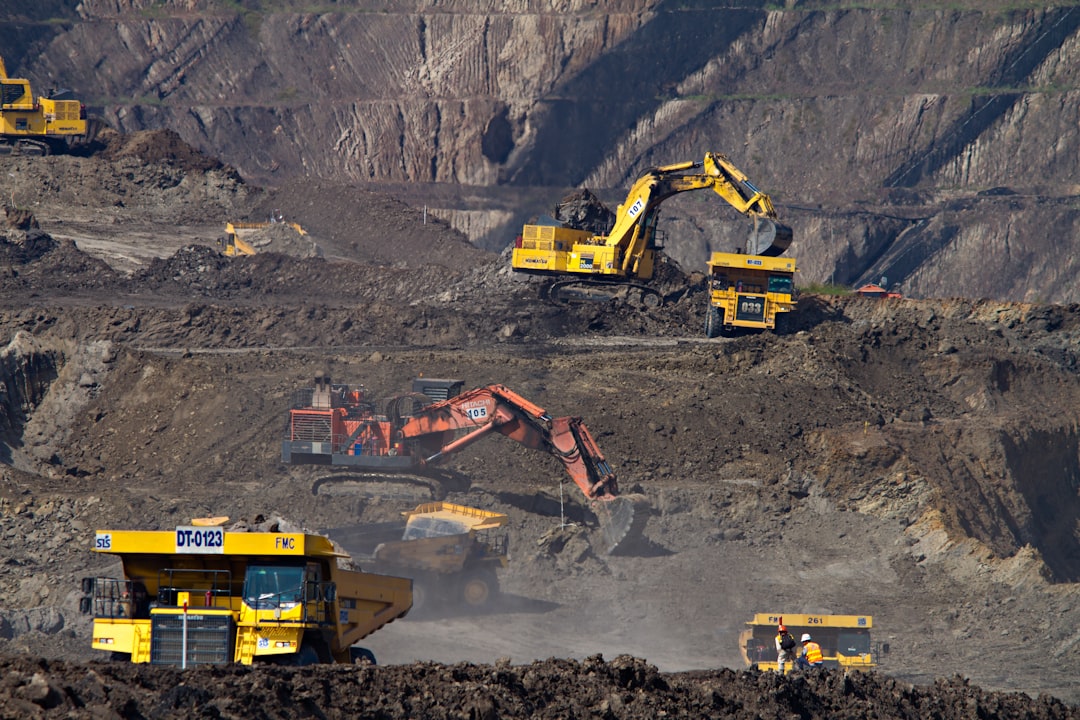
Indonesia sits on the world’s largest reserves of nickel, a metal indispensable to electric-vehicle batteries, and is a significant source of copper, tin and cobalt-bearing ore. For years Jakarta has used export restrictions and a domestic processing mandate to force foreign firms to refine on Indonesian soil, a policy the EU once challenged at the World Trade Organization. The new pact does not abolish that ambition, but it disciplines it. It commits both sides to predictable supply chains, limits arbitrary export licensing, and pairs market opening with environmental impact assessments. In effect, Europe accepts Indonesia’s industrial-upgrading goal in exchange for reliability of supply.

The strategic logic is unmistakable. European policymakers have spent three years searching for ways to reduce dependence on a handful of suppliers for the inputs of the energy transition. A partnership with a resource-rich democracy of Indonesia’s scale offers a hedge that no stockpile or recycling target can match. It also gives Brussels a foothold in a region where its economic presence has lagged behind its rhetoric about an Indo-Pacific strategy.

The obstacles are real. Ratification still requires the assent of the European Parliament, the Council and Indonesia’s legislature, and full implementation is not expected before 2027. European civil-society groups have warned that liberalising palm-oil trade could undercut the bloc’s deforestation rules, and some lawmakers will demand binding sustainability guarantees before they sign. Indonesian critics, for their part, fear that opening to European competition could stall the very industrialisation the deal is meant to enable.

The deeper test is whether the agreement can hold two contradictory impulses together: Europe’s desire for open, rules-based trade and its newer instinct to treat supply chains as instruments of security. The CEPA is an attempt to reconcile them, embedding economic-security concerns inside a classic free-trade framework rather than setting the two against each other. If it works, it becomes a template for how Europe deals with the resource-rich middle powers it can no longer afford to ignore. If it stalls in ratification, it will join the long list of European trade ambitions that died of their own internal contradictions. Either way, the negotiators in Jakarta and Brussels have bought themselves a deal whose hardest decisions still lie ahead.