August 10, 2026
LATEST
Five Joint Defence Projects Launch Europe’s Military ShieldElectrification Plan Aims to Make Europe First Electro ContinentHorizon Europe Budget Fight Heats Up as Ministers Push BackGoogle’s DMA Fine Sets Off a Transatlantic Tariff ClashTwenty New University Alliances Join Erasmus for Two YearsForeign Subsidies Case Puts Temu in the EU’s SightsVan Tachographs Now Mandatory for Cross-Border FleetsStress Test Exposes Gaps in Euro Area Bank DefencesEurope Bets on a Gulf Partnership Before the Riyadh SummitWhy the Atlantic Route Now Runs Through MauritaniaKyiv and Chisinau Advance as the EU Accession Talks Gather PaceEurope’s New Digital Border System Beds In After a Rocky RolloutBrussels Mounts Its Largest Wildfire Response as the Fires SpreadRetail Spending Slipped in June, Wrong-Footing EconomistsHeatwave Warning Puts Brussels on Alert for Vulnerable GroupsKANAL’s 230 Million Euro Museum Sets a November Opening DatePension Savings Rules Get a Reset as the EU Scraps the 1% CapMedicine Shortages Move to the Heart of Europe’s Pharma ResetJapan Becomes Europe’s Closest Security Partner in AsiaCan Europe’s New Zealand Deal Anchor It in the Pacific?Five Joint Defence Projects Launch Europe’s Military ShieldElectrification Plan Aims to Make Europe First Electro ContinentHorizon Europe Budget Fight Heats Up as Ministers Push BackGoogle’s DMA Fine Sets Off a Transatlantic Tariff ClashTwenty New University Alliances Join Erasmus for Two YearsForeign Subsidies Case Puts Temu in the EU’s SightsVan Tachographs Now Mandatory for Cross-Border FleetsStress Test Exposes Gaps in Euro Area Bank DefencesEurope Bets on a Gulf Partnership Before the Riyadh SummitWhy the Atlantic Route Now Runs Through MauritaniaKyiv and Chisinau Advance as the EU Accession Talks Gather PaceEurope’s New Digital Border System Beds In After a Rocky RolloutBrussels Mounts Its Largest Wildfire Response as the Fires SpreadRetail Spending Slipped in June, Wrong-Footing EconomistsHeatwave Warning Puts Brussels on Alert for Vulnerable GroupsKANAL’s 230 Million Euro Museum Sets a November Opening DatePension Savings Rules Get a Reset as the EU Scraps the 1% CapMedicine Shortages Move to the Heart of Europe’s Pharma ResetJapan Becomes Europe’s Closest Security Partner in AsiaCan Europe’s New Zealand Deal Anchor It in the Pacific?
August 10, 2026
LATEST
Five Joint Defence Projects Launch Europe’s Military ShieldElectrification Plan Aims to Make Europe First Electro ContinentHorizon Europe Budget Fight Heats Up as Ministers Push BackGoogle’s DMA Fine Sets Off a Transatlantic Tariff ClashTwenty New University Alliances Join Erasmus for Two YearsForeign Subsidies Case Puts Temu in the EU’s SightsVan Tachographs Now Mandatory for Cross-Border FleetsStress Test Exposes Gaps in Euro Area Bank DefencesEurope Bets on a Gulf Partnership Before the Riyadh SummitWhy the Atlantic Route Now Runs Through MauritaniaKyiv and Chisinau Advance as the EU Accession Talks Gather PaceEurope’s New Digital Border System Beds In After a Rocky RolloutBrussels Mounts Its Largest Wildfire Response as the Fires SpreadRetail Spending Slipped in June, Wrong-Footing EconomistsHeatwave Warning Puts Brussels on Alert for Vulnerable GroupsKANAL’s 230 Million Euro Museum Sets a November Opening DatePension Savings Rules Get a Reset as the EU Scraps the 1% CapMedicine Shortages Move to the Heart of Europe’s Pharma ResetJapan Becomes Europe’s Closest Security Partner in AsiaCan Europe’s New Zealand Deal Anchor It in the Pacific?Five Joint Defence Projects Launch Europe’s Military ShieldElectrification Plan Aims to Make Europe First Electro ContinentHorizon Europe Budget Fight Heats Up as Ministers Push BackGoogle’s DMA Fine Sets Off a Transatlantic Tariff ClashTwenty New University Alliances Join Erasmus for Two YearsForeign Subsidies Case Puts Temu in the EU’s SightsVan Tachographs Now Mandatory for Cross-Border FleetsStress Test Exposes Gaps in Euro Area Bank DefencesEurope Bets on a Gulf Partnership Before the Riyadh SummitWhy the Atlantic Route Now Runs Through MauritaniaKyiv and Chisinau Advance as the EU Accession Talks Gather PaceEurope’s New Digital Border System Beds In After a Rocky RolloutBrussels Mounts Its Largest Wildfire Response as the Fires SpreadRetail Spending Slipped in June, Wrong-Footing EconomistsHeatwave Warning Puts Brussels on Alert for Vulnerable GroupsKANAL’s 230 Million Euro Museum Sets a November Opening DatePension Savings Rules Get a Reset as the EU Scraps the 1% CapMedicine Shortages Move to the Heart of Europe’s Pharma ResetJapan Becomes Europe’s Closest Security Partner in AsiaCan Europe’s New Zealand Deal Anchor It in the Pacific?

Congested Rail Corridors Win a Single EU-Wide Capacity Rulebook

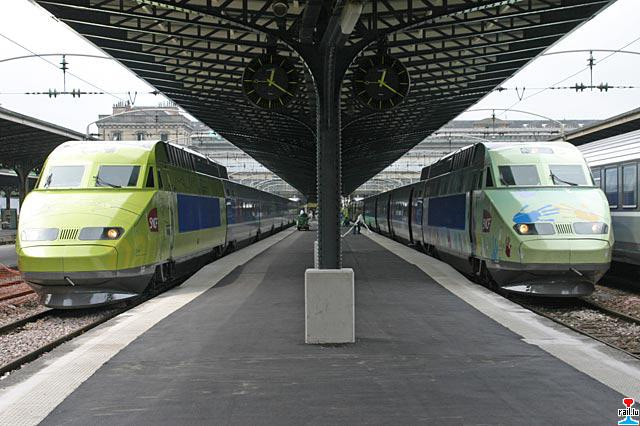
Vienna: After years of fragmented timetabling that has left freight trains idling at borders and cross-border passenger services hostage to clashing national schedules, the European Union has adopted a single set of rules for how scarce railway capacity is allocated. The regulation on the use of railway infrastructure capacity in the single European railway area, agreed by Parliament and Council and published on 10 June, aims to turn twenty-seven loosely coordinated planning systems into something closer to one network.

The problem it targets is structural. Rail capacity has long been carved up country by country, with each infrastructure manager handing out paths on its own calendar and its own terms. A freight operator moving goods from a North Sea port to central Europe must stitch together separate allocations from several managers, any one of which can unravel the whole journey. As traffic has grown and corridors have become congested, that patchwork has produced delays, wasted slots and a competitive disadvantage against road haulage that the bloc has spent a decade trying to reverse.

The new framework introduces harmonised, longer-horizon capacity planning so that paths can be coordinated across borders before timetables are locked in. It pushes managers toward common processes for requesting, allocating and, where necessary, rationing capacity during engineering works or disruption. The intention is to make punctuality and reliability less dependent on which national system a train happens to be entering, and to give operators the predictability they need to commit rolling stock and crews to cross-border routes.

The European Union Agency for Railways gains a central role. Under the regulation the agency is designated as the system authority for the digitalisation of rail communications, putting it at the heart of the data infrastructure that pan-European capacity management will require. That is a meaningful expansion of the agency’s remit beyond safety certification and interoperability, and it signals that the bloc sees coordinated digital tooling, not merely common paperwork, as the route to a genuinely integrated network.

The timeline is sobering. The first optimised timetable built under the new system is not expected to take effect until December 2030, a reminder that rail reform moves at the pace of infrastructure rather than legislation. Capacity planning cycles are long, software must be built and tested, and managers must align practices that have diverged for generations. The regulation sets the destination; the journey will take most of the decade.

Even so, the direction matters. The bloc has staked its climate and mobility ambitions on shifting passengers and freight off roads and short-haul flights and onto rail, a goal that founders whenever a train cannot reliably cross a frontier. By standardising the rules of the game and handing the agency the levers to enforce them, the bloc has removed one of the quieter obstacles to that shift. The hard work of implementation now passes to the infrastructure managers, whose willingness to cede control over their own calendars will determine whether the single railway area finally lives up to its name.