August 10, 2026
LATEST
Five Joint Defence Projects Launch Europe’s Military ShieldElectrification Plan Aims to Make Europe First Electro ContinentHorizon Europe Budget Fight Heats Up as Ministers Push BackGoogle’s DMA Fine Sets Off a Transatlantic Tariff ClashTwenty New University Alliances Join Erasmus for Two YearsForeign Subsidies Case Puts Temu in the EU’s SightsVan Tachographs Now Mandatory for Cross-Border FleetsStress Test Exposes Gaps in Euro Area Bank DefencesEurope Bets on a Gulf Partnership Before the Riyadh SummitWhy the Atlantic Route Now Runs Through MauritaniaKyiv and Chisinau Advance as the EU Accession Talks Gather PaceEurope’s New Digital Border System Beds In After a Rocky RolloutBrussels Mounts Its Largest Wildfire Response as the Fires SpreadRetail Spending Slipped in June, Wrong-Footing EconomistsHeatwave Warning Puts Brussels on Alert for Vulnerable GroupsKANAL’s 230 Million Euro Museum Sets a November Opening DatePension Savings Rules Get a Reset as the EU Scraps the 1% CapMedicine Shortages Move to the Heart of Europe’s Pharma ResetJapan Becomes Europe’s Closest Security Partner in AsiaCan Europe’s New Zealand Deal Anchor It in the Pacific?Five Joint Defence Projects Launch Europe’s Military ShieldElectrification Plan Aims to Make Europe First Electro ContinentHorizon Europe Budget Fight Heats Up as Ministers Push BackGoogle’s DMA Fine Sets Off a Transatlantic Tariff ClashTwenty New University Alliances Join Erasmus for Two YearsForeign Subsidies Case Puts Temu in the EU’s SightsVan Tachographs Now Mandatory for Cross-Border FleetsStress Test Exposes Gaps in Euro Area Bank DefencesEurope Bets on a Gulf Partnership Before the Riyadh SummitWhy the Atlantic Route Now Runs Through MauritaniaKyiv and Chisinau Advance as the EU Accession Talks Gather PaceEurope’s New Digital Border System Beds In After a Rocky RolloutBrussels Mounts Its Largest Wildfire Response as the Fires SpreadRetail Spending Slipped in June, Wrong-Footing EconomistsHeatwave Warning Puts Brussels on Alert for Vulnerable GroupsKANAL’s 230 Million Euro Museum Sets a November Opening DatePension Savings Rules Get a Reset as the EU Scraps the 1% CapMedicine Shortages Move to the Heart of Europe’s Pharma ResetJapan Becomes Europe’s Closest Security Partner in AsiaCan Europe’s New Zealand Deal Anchor It in the Pacific?
August 10, 2026
LATEST
Five Joint Defence Projects Launch Europe’s Military ShieldElectrification Plan Aims to Make Europe First Electro ContinentHorizon Europe Budget Fight Heats Up as Ministers Push BackGoogle’s DMA Fine Sets Off a Transatlantic Tariff ClashTwenty New University Alliances Join Erasmus for Two YearsForeign Subsidies Case Puts Temu in the EU’s SightsVan Tachographs Now Mandatory for Cross-Border FleetsStress Test Exposes Gaps in Euro Area Bank DefencesEurope Bets on a Gulf Partnership Before the Riyadh SummitWhy the Atlantic Route Now Runs Through MauritaniaKyiv and Chisinau Advance as the EU Accession Talks Gather PaceEurope’s New Digital Border System Beds In After a Rocky RolloutBrussels Mounts Its Largest Wildfire Response as the Fires SpreadRetail Spending Slipped in June, Wrong-Footing EconomistsHeatwave Warning Puts Brussels on Alert for Vulnerable GroupsKANAL’s 230 Million Euro Museum Sets a November Opening DatePension Savings Rules Get a Reset as the EU Scraps the 1% CapMedicine Shortages Move to the Heart of Europe’s Pharma ResetJapan Becomes Europe’s Closest Security Partner in AsiaCan Europe’s New Zealand Deal Anchor It in the Pacific?Five Joint Defence Projects Launch Europe’s Military ShieldElectrification Plan Aims to Make Europe First Electro ContinentHorizon Europe Budget Fight Heats Up as Ministers Push BackGoogle’s DMA Fine Sets Off a Transatlantic Tariff ClashTwenty New University Alliances Join Erasmus for Two YearsForeign Subsidies Case Puts Temu in the EU’s SightsVan Tachographs Now Mandatory for Cross-Border FleetsStress Test Exposes Gaps in Euro Area Bank DefencesEurope Bets on a Gulf Partnership Before the Riyadh SummitWhy the Atlantic Route Now Runs Through MauritaniaKyiv and Chisinau Advance as the EU Accession Talks Gather PaceEurope’s New Digital Border System Beds In After a Rocky RolloutBrussels Mounts Its Largest Wildfire Response as the Fires SpreadRetail Spending Slipped in June, Wrong-Footing EconomistsHeatwave Warning Puts Brussels on Alert for Vulnerable GroupsKANAL’s 230 Million Euro Museum Sets a November Opening DatePension Savings Rules Get a Reset as the EU Scraps the 1% CapMedicine Shortages Move to the Heart of Europe’s Pharma ResetJapan Becomes Europe’s Closest Security Partner in AsiaCan Europe’s New Zealand Deal Anchor It in the Pacific?

Firefighting Fleet Doubles in Size Ahead of 2026 European Fire Season

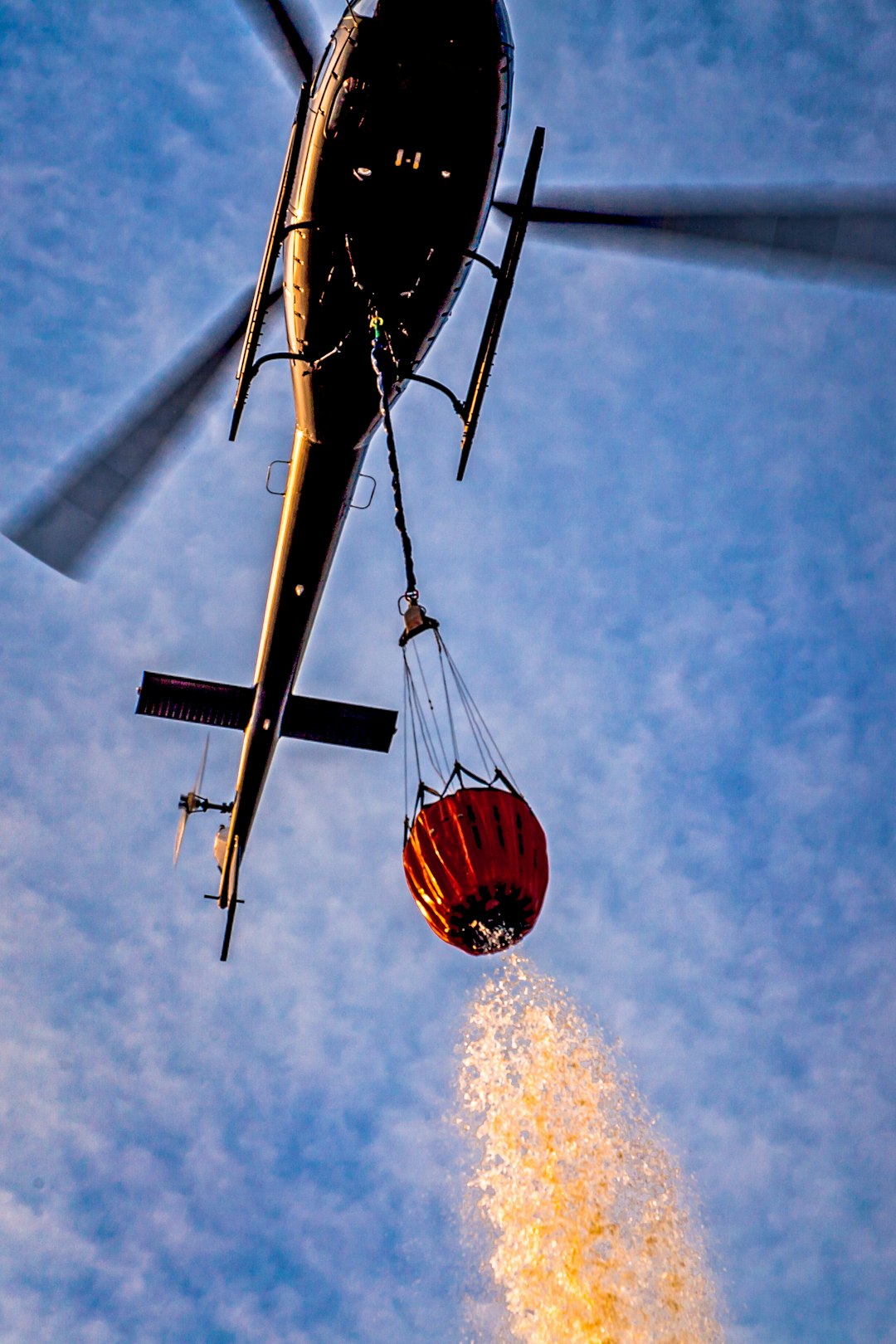
Bucharest: The first of three new medium-class firefighting helicopters destined for the rescEU strategic reserve has arrived at Otopeni air base, where Romanian civil protection crews are working through the closing technical and operational checks before the aircraft enters European service. Officials at the Emergency Response Coordination Centre confirmed that the helicopter is being prepared for full availability ahead of the 2026 Mediterranean fire season, which forecasters at the Copernicus Emergency Management Service expect to begin earlier than usual after a dry spring across the Iberian Peninsula and the Balkans.

The Romanian delivery is part of a wider expansion that will more than double the air assets available to the Union Civil Protection Mechanism by the end of the year. Twelve new firefighting planes financed entirely from the EU budget are entering service across Portugal, Spain, France, Italy, Croatia and Greece, with two additional helicopters destined for Slovakia and Czechia following the Romanian unit. The fleet has been procured under a multi-annual financial envelope and represents the most significant single boost to the strategic reserve since rescEU was created in 2019 to complement national capacities.

The rationale for the build-up has been spelled out repeatedly by the directorate-general for European civil protection and humanitarian aid operations. Wildfire intensity across the bloc has trended upward since the 2017 Iberian fires, and the 2022 and 2023 seasons left southern member states reliant on cross-border deployments from northern partners that could not always be guaranteed. By embedding aircraft directly within the strategic reserve and locating them in front-line states, the Commission aims to shorten response times during the peak weeks of July and August. Each aircraft remains under national ownership and operational control but can be requisitioned through the ERCC for deployment across the Union and to participating third countries.

The expanded air fleet is only one strand of an unusually busy civil protection year. The mechanism continues to handle medical evacuations from Ukraine, where logistical hubs in Poland, Romania and Slovakia have facilitated treatment for almost 4 800 patients since the full-scale invasion. The strategic stockpile in Finland delivered a new tranche of energy equipment and chemical, biological, radiological and nuclear protective gear to Ukrainian counterparts in January. Separately, rescEU’s medical reserves have been activated to support flood response operations in central Europe earlier this spring.

The 2026 fire season will also be the first to operate under updated interoperability standards adopted by the Union Civil Protection Knowledge Network, which has standardised radio communications protocols and minimum certification requirements for cross-border deployments. National civil protection authorities have been training joint crews under those rules over the spring, with exercises held in Croatia and Cyprus. Officials at the ERCC say the expanded fleet, combined with these procedural improvements, should reduce the need for ad-hoc bilateral requests when fires cross frontiers in the Mediterranean basin.

Questions remain about the longer arc. The current rescEU air assets carry residual values that will need replacement cycles starting in the early 2030s, and the Commission has signalled that it will use the next multi-annual financial framework discussions to lock in a permanent funding line for the fleet rather than relying on top-ups under successive emergency programmes. A communication from the directorate-general is expected in the autumn outlining the proposed financing model. For now, the priority is operational readiness. Crews in six countries are racing against the calendar, and Otopeni’s hangars are at the centre of that effort.