August 10, 2026
LATEST
Five Joint Defence Projects Launch Europe’s Military ShieldElectrification Plan Aims to Make Europe First Electro ContinentHorizon Europe Budget Fight Heats Up as Ministers Push BackGoogle’s DMA Fine Sets Off a Transatlantic Tariff ClashTwenty New University Alliances Join Erasmus for Two YearsForeign Subsidies Case Puts Temu in the EU’s SightsVan Tachographs Now Mandatory for Cross-Border FleetsStress Test Exposes Gaps in Euro Area Bank DefencesEurope Bets on a Gulf Partnership Before the Riyadh SummitWhy the Atlantic Route Now Runs Through MauritaniaKyiv and Chisinau Advance as the EU Accession Talks Gather PaceEurope’s New Digital Border System Beds In After a Rocky RolloutBrussels Mounts Its Largest Wildfire Response as the Fires SpreadRetail Spending Slipped in June, Wrong-Footing EconomistsHeatwave Warning Puts Brussels on Alert for Vulnerable GroupsKANAL’s 230 Million Euro Museum Sets a November Opening DatePension Savings Rules Get a Reset as the EU Scraps the 1% CapMedicine Shortages Move to the Heart of Europe’s Pharma ResetJapan Becomes Europe’s Closest Security Partner in AsiaCan Europe’s New Zealand Deal Anchor It in the Pacific?Five Joint Defence Projects Launch Europe’s Military ShieldElectrification Plan Aims to Make Europe First Electro ContinentHorizon Europe Budget Fight Heats Up as Ministers Push BackGoogle’s DMA Fine Sets Off a Transatlantic Tariff ClashTwenty New University Alliances Join Erasmus for Two YearsForeign Subsidies Case Puts Temu in the EU’s SightsVan Tachographs Now Mandatory for Cross-Border FleetsStress Test Exposes Gaps in Euro Area Bank DefencesEurope Bets on a Gulf Partnership Before the Riyadh SummitWhy the Atlantic Route Now Runs Through MauritaniaKyiv and Chisinau Advance as the EU Accession Talks Gather PaceEurope’s New Digital Border System Beds In After a Rocky RolloutBrussels Mounts Its Largest Wildfire Response as the Fires SpreadRetail Spending Slipped in June, Wrong-Footing EconomistsHeatwave Warning Puts Brussels on Alert for Vulnerable GroupsKANAL’s 230 Million Euro Museum Sets a November Opening DatePension Savings Rules Get a Reset as the EU Scraps the 1% CapMedicine Shortages Move to the Heart of Europe’s Pharma ResetJapan Becomes Europe’s Closest Security Partner in AsiaCan Europe’s New Zealand Deal Anchor It in the Pacific?
August 10, 2026
LATEST
Five Joint Defence Projects Launch Europe’s Military ShieldElectrification Plan Aims to Make Europe First Electro ContinentHorizon Europe Budget Fight Heats Up as Ministers Push BackGoogle’s DMA Fine Sets Off a Transatlantic Tariff ClashTwenty New University Alliances Join Erasmus for Two YearsForeign Subsidies Case Puts Temu in the EU’s SightsVan Tachographs Now Mandatory for Cross-Border FleetsStress Test Exposes Gaps in Euro Area Bank DefencesEurope Bets on a Gulf Partnership Before the Riyadh SummitWhy the Atlantic Route Now Runs Through MauritaniaKyiv and Chisinau Advance as the EU Accession Talks Gather PaceEurope’s New Digital Border System Beds In After a Rocky RolloutBrussels Mounts Its Largest Wildfire Response as the Fires SpreadRetail Spending Slipped in June, Wrong-Footing EconomistsHeatwave Warning Puts Brussels on Alert for Vulnerable GroupsKANAL’s 230 Million Euro Museum Sets a November Opening DatePension Savings Rules Get a Reset as the EU Scraps the 1% CapMedicine Shortages Move to the Heart of Europe’s Pharma ResetJapan Becomes Europe’s Closest Security Partner in AsiaCan Europe’s New Zealand Deal Anchor It in the Pacific?Five Joint Defence Projects Launch Europe’s Military ShieldElectrification Plan Aims to Make Europe First Electro ContinentHorizon Europe Budget Fight Heats Up as Ministers Push BackGoogle’s DMA Fine Sets Off a Transatlantic Tariff ClashTwenty New University Alliances Join Erasmus for Two YearsForeign Subsidies Case Puts Temu in the EU’s SightsVan Tachographs Now Mandatory for Cross-Border FleetsStress Test Exposes Gaps in Euro Area Bank DefencesEurope Bets on a Gulf Partnership Before the Riyadh SummitWhy the Atlantic Route Now Runs Through MauritaniaKyiv and Chisinau Advance as the EU Accession Talks Gather PaceEurope’s New Digital Border System Beds In After a Rocky RolloutBrussels Mounts Its Largest Wildfire Response as the Fires SpreadRetail Spending Slipped in June, Wrong-Footing EconomistsHeatwave Warning Puts Brussels on Alert for Vulnerable GroupsKANAL’s 230 Million Euro Museum Sets a November Opening DatePension Savings Rules Get a Reset as the EU Scraps the 1% CapMedicine Shortages Move to the Heart of Europe’s Pharma ResetJapan Becomes Europe’s Closest Security Partner in AsiaCan Europe’s New Zealand Deal Anchor It in the Pacific?

Judges Rule Asylum Seekers Keep Housing Aid Between Fresh Claims

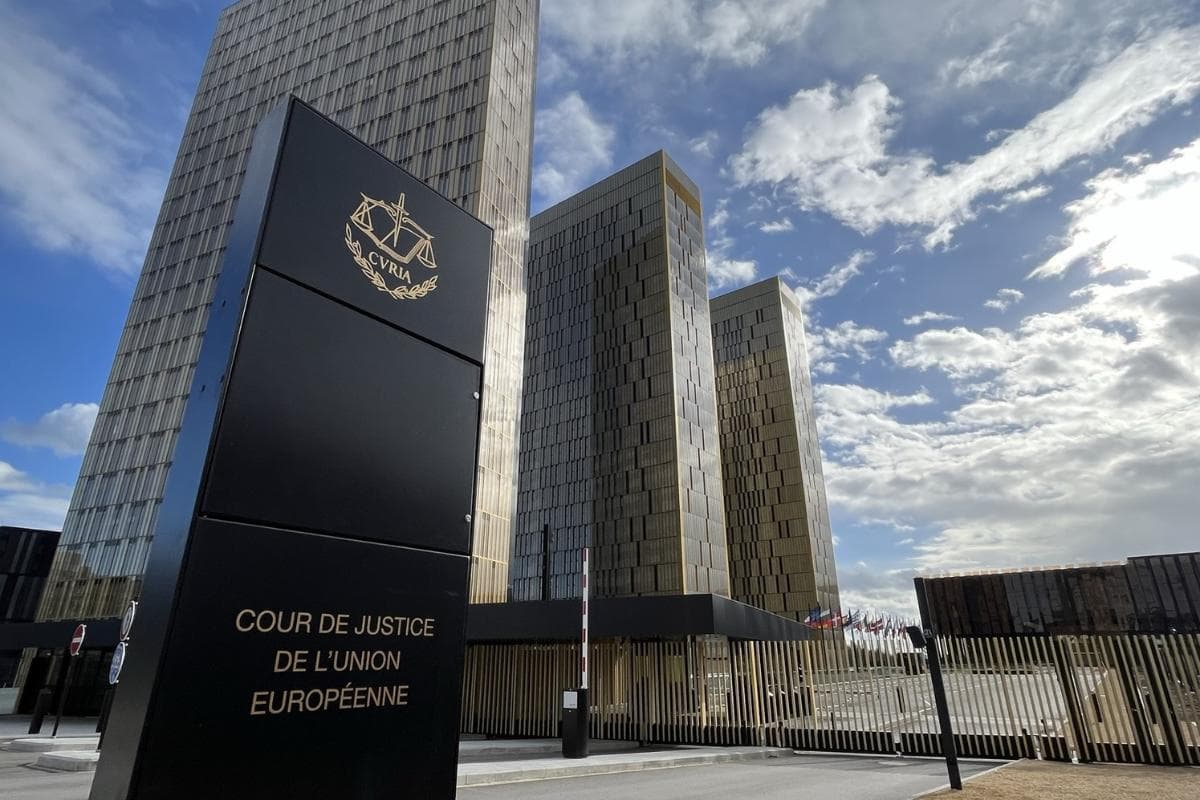
Schweinfurt: The Court of Justice of the European Union has drawn a firmer line under the treatment of asylum seekers who lodge a second application, ruling on 4 June that member states cannot simply strip away the basic support the law guarantees them. The judgment in Landkreis Schweinfurt v FB, referred from a German district, turns on how the Union’s reception rules apply when someone files what officials call a subsequent application.

At the heart of the case is Directive 2013/33, which sets out the material reception conditions every applicant for international protection is entitled to while their claim is examined. That package covers housing, food and a basic allowance, the floor beneath which no person waiting on a decision is supposed to fall. The dispute asked whether that floor still exists once a first claim has been rejected and a fresh one submitted, a situation authorities across the bloc encounter daily as caseloads climb.

The Court’s answer sets clear limits on national discretion. Reception conditions are tied to a person’s status as an applicant, and that status is reactivated when a subsequent application is made, meaning authorities cannot treat repeat applicants as though they sit outside the protective scope of Union law. While the directive allows support to be reduced or withdrawn in defined circumstances, such as serious breaches of the rules of an accommodation centre, those exceptions must be applied individually and proportionately rather than as a blanket policy against anyone who applies a second time.

The reasoning matters because dignity, not administrative convenience, anchors it. The judges grounded their interpretation in the guarantee of a dignified standard of living, a thread that runs through the Union’s asylum framework and its Charter of Fundamental Rights. A member state may design its own procedures for handling repeat claims, but it cannot use those procedures to push people into destitution while their file is pending.

The practical reach extends well beyond one Bavarian district. National agencies from Germany to Greece have leaned on tougher treatment of subsequent applications as a deterrent, betting that reduced support discourages what they view as abusive or delaying claims. The ruling narrows that room considerably, forcing officials to justify any cut in support case by case and to keep a baseline of assistance in place even for those the system regards with suspicion.

It also lands amid a broader reordering of the Union’s migration architecture, as the Pact on Migration and Asylum moves toward implementation and capitals negotiate the balance between control and obligation. Court decisions of this kind set the fixed points that any new system must respect, whatever political direction the legislation takes.

For now, national administrations will need to review the guidance they give reception centres and caseworkers. The Court has confirmed that the Union’s promise of basic dignity does not lapse the moment a first claim fails, a principle that will shape countless individual decisions long after this case fades from the docket.