August 10, 2026
LATEST
Five Joint Defence Projects Launch Europe’s Military ShieldElectrification Plan Aims to Make Europe First Electro ContinentHorizon Europe Budget Fight Heats Up as Ministers Push BackGoogle’s DMA Fine Sets Off a Transatlantic Tariff ClashTwenty New University Alliances Join Erasmus for Two YearsForeign Subsidies Case Puts Temu in the EU’s SightsVan Tachographs Now Mandatory for Cross-Border FleetsStress Test Exposes Gaps in Euro Area Bank DefencesEurope Bets on a Gulf Partnership Before the Riyadh SummitWhy the Atlantic Route Now Runs Through MauritaniaKyiv and Chisinau Advance as the EU Accession Talks Gather PaceEurope’s New Digital Border System Beds In After a Rocky RolloutBrussels Mounts Its Largest Wildfire Response as the Fires SpreadRetail Spending Slipped in June, Wrong-Footing EconomistsHeatwave Warning Puts Brussels on Alert for Vulnerable GroupsKANAL’s 230 Million Euro Museum Sets a November Opening DatePension Savings Rules Get a Reset as the EU Scraps the 1% CapMedicine Shortages Move to the Heart of Europe’s Pharma ResetJapan Becomes Europe’s Closest Security Partner in AsiaCan Europe’s New Zealand Deal Anchor It in the Pacific?Five Joint Defence Projects Launch Europe’s Military ShieldElectrification Plan Aims to Make Europe First Electro ContinentHorizon Europe Budget Fight Heats Up as Ministers Push BackGoogle’s DMA Fine Sets Off a Transatlantic Tariff ClashTwenty New University Alliances Join Erasmus for Two YearsForeign Subsidies Case Puts Temu in the EU’s SightsVan Tachographs Now Mandatory for Cross-Border FleetsStress Test Exposes Gaps in Euro Area Bank DefencesEurope Bets on a Gulf Partnership Before the Riyadh SummitWhy the Atlantic Route Now Runs Through MauritaniaKyiv and Chisinau Advance as the EU Accession Talks Gather PaceEurope’s New Digital Border System Beds In After a Rocky RolloutBrussels Mounts Its Largest Wildfire Response as the Fires SpreadRetail Spending Slipped in June, Wrong-Footing EconomistsHeatwave Warning Puts Brussels on Alert for Vulnerable GroupsKANAL’s 230 Million Euro Museum Sets a November Opening DatePension Savings Rules Get a Reset as the EU Scraps the 1% CapMedicine Shortages Move to the Heart of Europe’s Pharma ResetJapan Becomes Europe’s Closest Security Partner in AsiaCan Europe’s New Zealand Deal Anchor It in the Pacific?
August 10, 2026
LATEST
Five Joint Defence Projects Launch Europe’s Military ShieldElectrification Plan Aims to Make Europe First Electro ContinentHorizon Europe Budget Fight Heats Up as Ministers Push BackGoogle’s DMA Fine Sets Off a Transatlantic Tariff ClashTwenty New University Alliances Join Erasmus for Two YearsForeign Subsidies Case Puts Temu in the EU’s SightsVan Tachographs Now Mandatory for Cross-Border FleetsStress Test Exposes Gaps in Euro Area Bank DefencesEurope Bets on a Gulf Partnership Before the Riyadh SummitWhy the Atlantic Route Now Runs Through MauritaniaKyiv and Chisinau Advance as the EU Accession Talks Gather PaceEurope’s New Digital Border System Beds In After a Rocky RolloutBrussels Mounts Its Largest Wildfire Response as the Fires SpreadRetail Spending Slipped in June, Wrong-Footing EconomistsHeatwave Warning Puts Brussels on Alert for Vulnerable GroupsKANAL’s 230 Million Euro Museum Sets a November Opening DatePension Savings Rules Get a Reset as the EU Scraps the 1% CapMedicine Shortages Move to the Heart of Europe’s Pharma ResetJapan Becomes Europe’s Closest Security Partner in AsiaCan Europe’s New Zealand Deal Anchor It in the Pacific?Five Joint Defence Projects Launch Europe’s Military ShieldElectrification Plan Aims to Make Europe First Electro ContinentHorizon Europe Budget Fight Heats Up as Ministers Push BackGoogle’s DMA Fine Sets Off a Transatlantic Tariff ClashTwenty New University Alliances Join Erasmus for Two YearsForeign Subsidies Case Puts Temu in the EU’s SightsVan Tachographs Now Mandatory for Cross-Border FleetsStress Test Exposes Gaps in Euro Area Bank DefencesEurope Bets on a Gulf Partnership Before the Riyadh SummitWhy the Atlantic Route Now Runs Through MauritaniaKyiv and Chisinau Advance as the EU Accession Talks Gather PaceEurope’s New Digital Border System Beds In After a Rocky RolloutBrussels Mounts Its Largest Wildfire Response as the Fires SpreadRetail Spending Slipped in June, Wrong-Footing EconomistsHeatwave Warning Puts Brussels on Alert for Vulnerable GroupsKANAL’s 230 Million Euro Museum Sets a November Opening DatePension Savings Rules Get a Reset as the EU Scraps the 1% CapMedicine Shortages Move to the Heart of Europe’s Pharma ResetJapan Becomes Europe’s Closest Security Partner in AsiaCan Europe’s New Zealand Deal Anchor It in the Pacific?

Ketamine Diversion Fuels Illicit Market Track In New EUDA Report

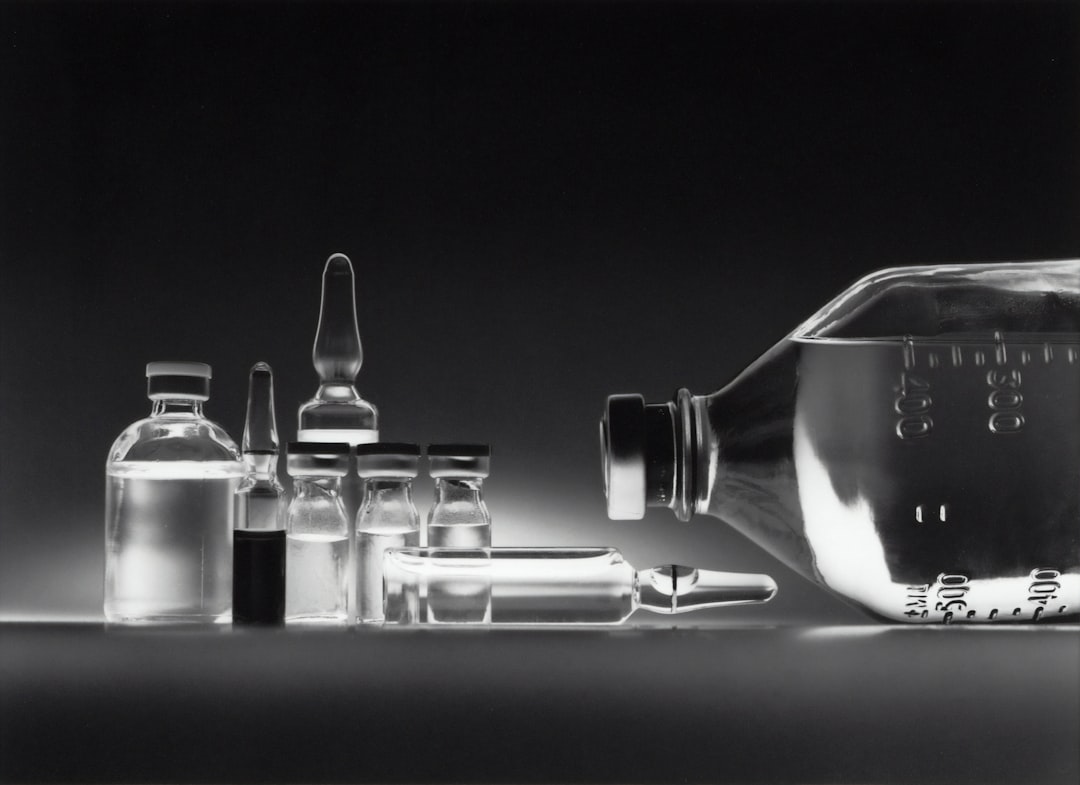
Hamburg: The Elbe river customs zone that processes a substantial share of Northern European pharmaceutical imports has spent May reading the EU Drugs Agency findings on ketamine diversion as an immediate operational brief. The report, developed under Operational Action 1.5 of the 2024-2025 EMPACT Synthetic Drugs and New Psychoactive Substances action plan and drawing on contributions from 32 countries, concludes that ketamine produced legitimately outside the Union to manufacture human and veterinary medicines is increasingly slipping into the illicit market through a fragmented regulatory landscape that organised crime networks have learned to exploit.

The headline figure from the report sits at 3.5 tonnes, the minimum volume of ketamine intercepted by European law enforcement in 2024, according to the consolidated dataset the EUDA published this spring. The tonnage represents only a fraction of the actual flow, but it marks the first time the agency has produced a comparable baseline that allows year-on-year tracking of the illicit ketamine economy. Hamburg’s customs administration, which operates one of the densest container screening regimes inside the bloc, contributed seizure data to the underlying dataset and is already calibrating its risk profiling models against the patterns the report identifies.

The diversion routes the EUDA describes do not match the synthetic drug flows that European agencies have historically tracked. Ketamine is rarely synthesised inside the Union on the scale required for the illicit market, and producers in Asia who hold legitimate manufacturing licences for pharmaceutical and veterinary applications are the typical upstream source. The diversion occurs in the gap between licensed exports, intermediate brokers and the trail of paperwork that follows the substance through customs jurisdictions where ketamine is not subject to international control under the 1971 Convention on Psychotropic Substances. The result, the report argues, is significant profits for organised crime networks and growing public health harms, particularly among consumers who use frequently or in high quantities.

Hamburg toxicology clinicians described to local authorities in early May the harms profile that the EUDA report formalises. Frequent ketamine use is increasingly associated with severe urinary tract damage, including a phenotype the literature calls “ketamine bladder syndrome,” and with neurological and psychiatric effects that the agency observes across user cohorts from Hamburg through Rotterdam to Manchester. The harms profile combined with the trafficking patterns convinces the agency that the regulatory architecture must change.

The report points to three structural fixes. The first is international scheduling. The agency argues that placing ketamine under the 1971 Convention would tighten supply-side controls, although it concedes that scheduling discussions have stalled at the United Nations Commission on Narcotic Drugs for over a decade, in part because of the substance’s legitimate medical role in anaesthesia, pain management and emerging psychiatric applications. The second is improved licensed-trade monitoring, including more rigorous end-use verification for exports leaving licensed manufacturers in Asia. The third is better data, with systematic reporting on health and supply indicators not currently required in most jurisdictions, creating monitoring blind spots that frustrate effective enforcement.

The publication also feeds into the broader European Drug Report 2026, which the agency will launch on 9 June with the most comprehensive picture yet of the drug situation across the EU 27, Norway and Türkiye. The annual report, expanded under the EUDA mandate that succeeded the older EMCDDA framework, is expected to integrate the ketamine findings into a wider analysis of synthetic stimulants, novel psychoactive substances and the persistent challenge of cocaine entry through northern European ports including Hamburg itself.