Naples: A fight over who controls Europe’s regional money is heating up as the Union sketches its budget for 2028 to 2034. Mayors, regional presidents and their allies in the European Parliament warn that the Commission’s plan to fold cohesion policy into a single national framework would strip regions of the direct voice they have long held over the funds meant for them.
Cohesion policy exists to narrow the gap between Europe’s richest and poorest places, steering hundreds of billions of euros toward less-developed regions to build roads, back businesses and train workers. For decades regional authorities negotiated their own programmes with Brussels, giving local officials real say over where the money landed.
The Commission’s proposal for the next seven-year budget would reshape that model. It seeks to merge cohesion, farm support and other strands into national and regional partnership plans, with each government drafting a single blueprint for how it spends EU money. Officials argue the change cuts red tape and lets members respond faster to shifting priorities such as defence and competitiveness.
Regional leaders read the plan very differently. They fear national capitals will capture the funds and spend them on central priorities, leaving struggling regions to bargain with their own governments rather than deal directly with Brussels. A coalition of regions and city networks has begun lobbying hard to keep a ring-fenced pot and a guaranteed seat at the table.
The stakes are large. The Commission has floated reserving at least 218 billion euros for less-developed regions in the new period, alongside a separate sum for cross-border cooperation projects. How that money flows, and who decides its destination, will shape which parts of Europe catch up and which fall further behind.
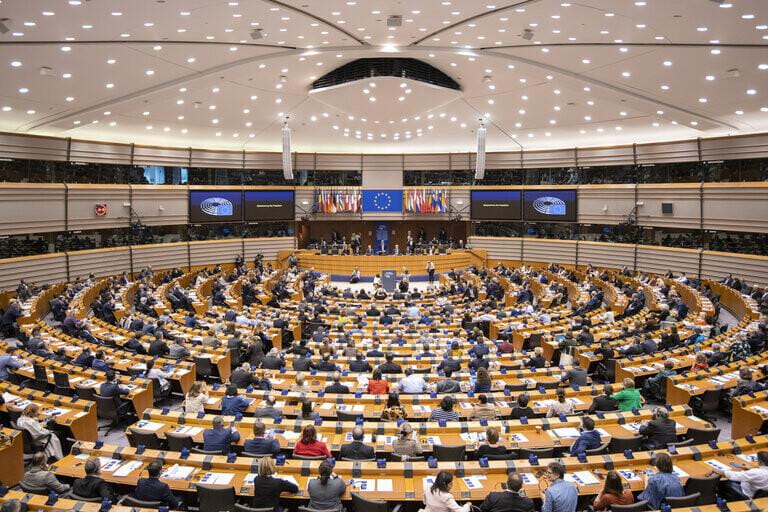
Parliament and national governments must now hammer out their positions, a process expected to run toward the end of the year before hard bargaining begins in earnest. Regional advocates want lawmakers to write firm guarantees into the rules rather than trust that governments will share power voluntarily.
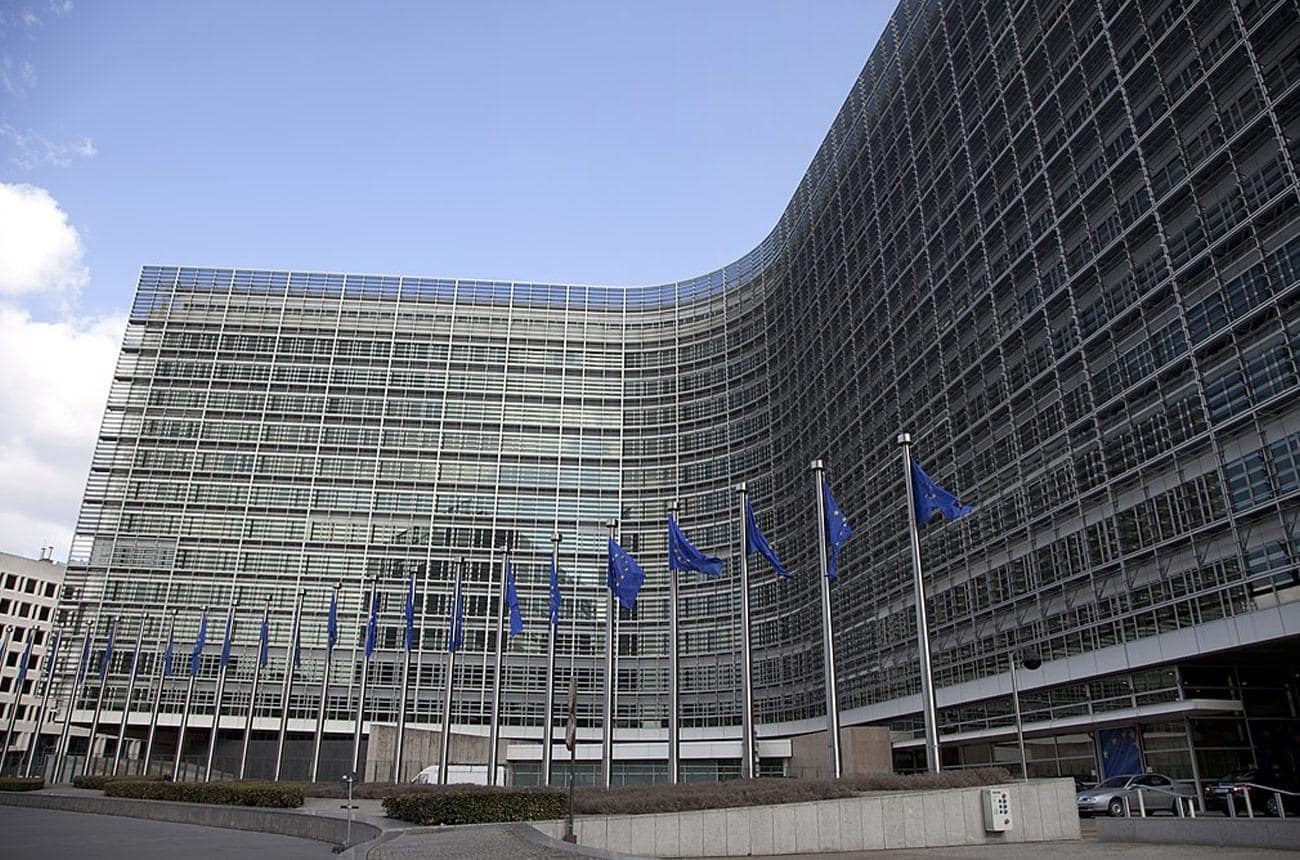
The debate reaches beyond budgeting into a deeper question about how the Union should be governed and who speaks for Europe’s places. The Commission sets out its regional funding framework and the figures behind it through the regional policy department, which manages the current programmes.