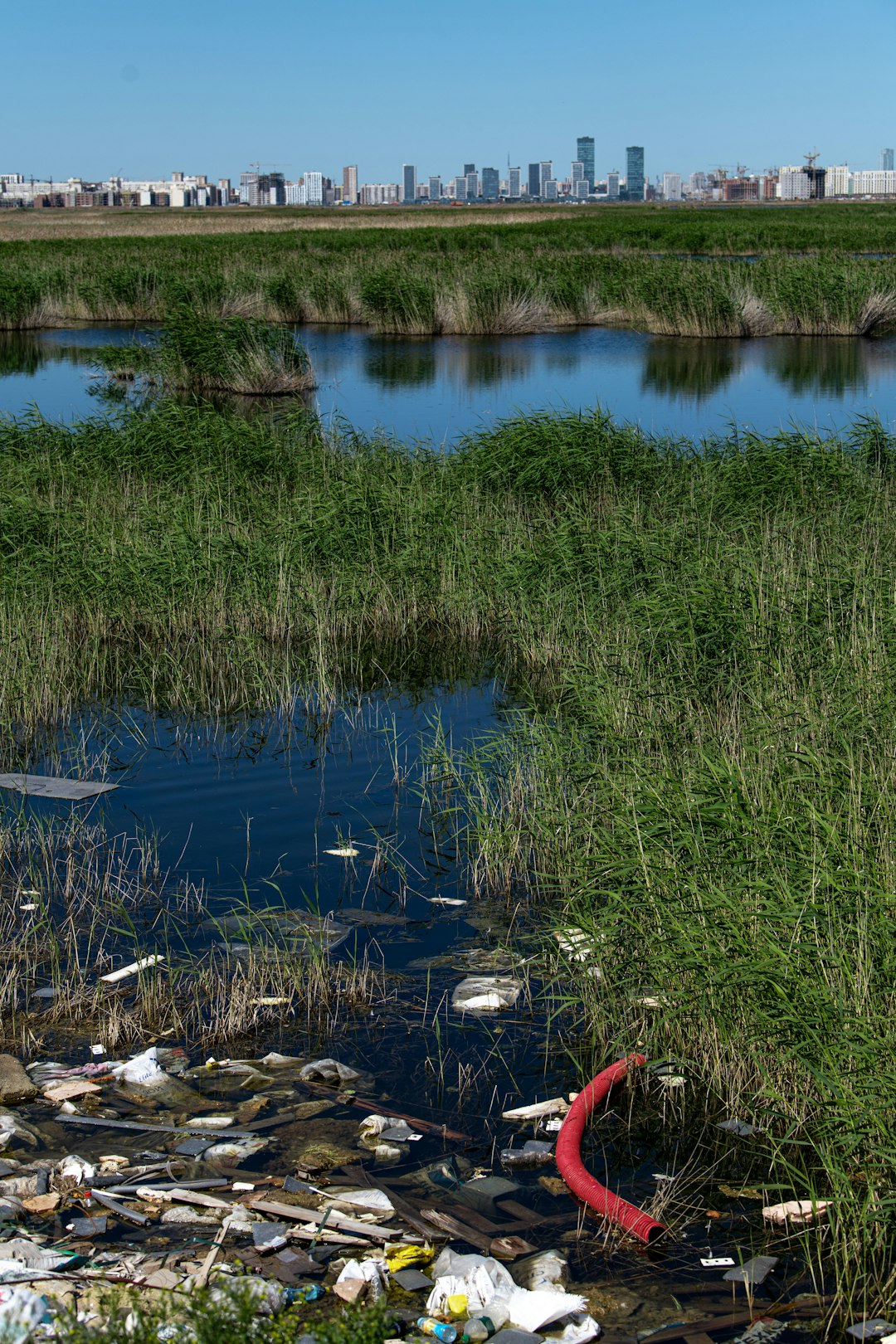
Murcia: The directive that updates the lists of pollutants in surface and groundwaters across the European Union entered into force on 11 May, with the formal publication carried over a few days later in the Official Journal. Directive 2026/805 redraws the regulatory map for a generation of chemicals that have outpaced earlier monitoring regimes, tightening controls on per- and polyfluoroalkyl substances, adding microplastics and antimicrobial resistance markers to the mandatory EU watchlist for the first time, and expanding the regulated list to include pharmaceuticals, additional pesticides and bisphenols.
The immediate task lands on Member State environment agencies, which now have to integrate the new substances into national monitoring grids and reporting cycles. National competent authorities have eighteen months to update sampling protocols, and the Environmental Agency in Vienna is preparing a coordination workshop for late June to thrash out the harmonised analytical methods for the microplastic categories, which remain technically contested across laboratories. Spain’s national water observatory has signalled that drought-stressed basins in the south-east, including the Segura, will be among the first to feed pilot data into the new EU framework.
The pollutants directive sits alongside the broader Water Resilience Strategy, the cross-cutting framework launched by the Commission in June 2025 to tie together the response to droughts, floods and persistent contamination. A Water Resilience Stakeholder Platform is due to be formally constituted during 2026, with a five-year mandate that brings civil society, industry, financial institutions, research bodies and regional authorities into a single advisory forum. The first call for expert nominations closed in March, and the Commission services are filtering applications to keep the geographical balance broadly aligned with basin coverage rather than weighted toward capital cities.
For the chemicals sector, the May entry into force is the trigger that converts long-flagged regulatory intent into compliance obligations. The PFAS provisions are the most consequential because they shift the burden of evidence on persistence, replacing the cluster-by-cluster approach of earlier rulemaking with a watchlist that captures emerging substances before each one has been individually characterised. Industry associations have been broadly supportive of the framework but have pushed for clearer transitional language for facilities that already hold integrated permits under the Industrial Emissions Directive. The Commission services have indicated that an implementing act addressing those transitional questions will be circulated for inter-service consultation before the autumn.
The directive also activates a Knowledge and Innovation Community on Water, Marine and Maritime Sectors and Ecosystems under the European Institute of Innovation and Technology, which is expected to issue its first call for proposals before the end of 2026. The KIC has been pitched by Member States as the operational vehicle for connecting basin-scale data, satellite observation and treatment-technology investment, and Spanish, Portuguese and Italian research clusters have already filed expressions of interest. Officials in the Joint Research Centre treat the KIC’s launch as the bridge between the regulatory ambition of the pollutants directive and the engineering capacity required to monitor and remediate the new substances at scale.
The political signalling around 11 May was deliberately low-key. The Commission emphasised continuity with the 2024 urban wastewater overhaul rather than dramatic regulatory escalation, and Member State environment ministers have framed the new rules as a recalibration rather than a tightening cycle. Beneath the diplomatic language, however, the structural change is plain. The watchlist mechanism, expanded coverage and harmonised method development together convert European water policy from a pollution-control regime into something closer to a chemicals-risk regime, with consequences that will be felt as much by pharmaceutical and personal-care manufacturers as by waste-water utilities.