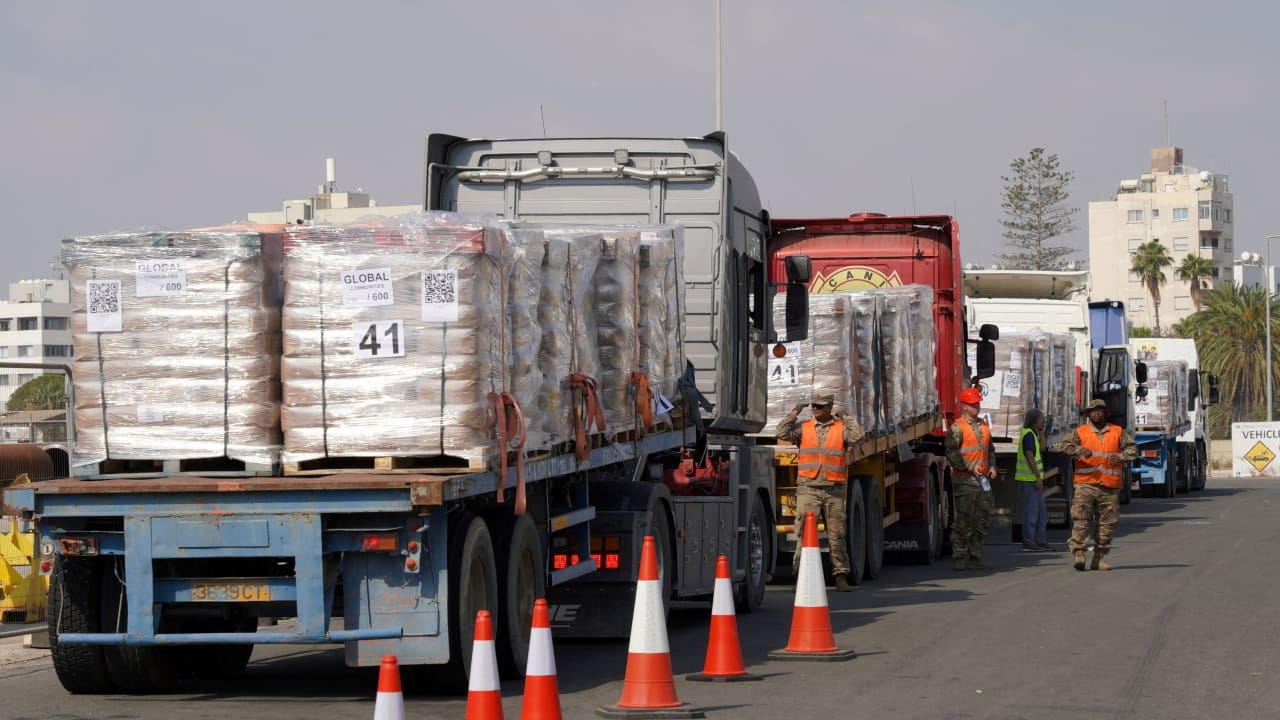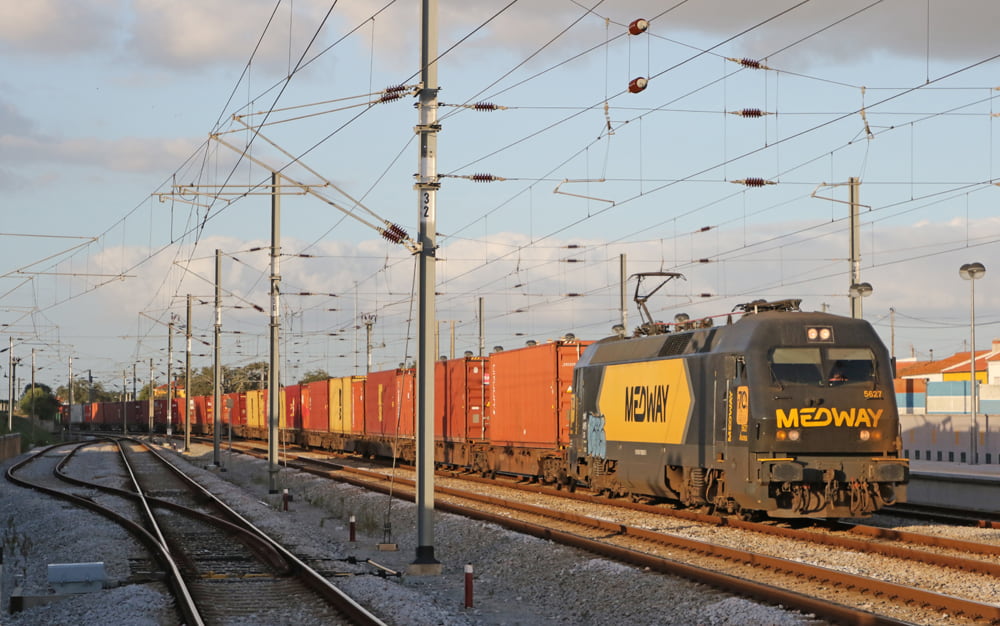
Brussels: At Europe’s largest inland port, where containers slide between barges, trains and trucks, the rail freight industry is watching a piece of legislation it championed slide toward the grave. The European Commission has signalled in its 2026 work programme that it intends to withdraw the revised Combined Transport Directive, the rulebook meant to make moving goods by a mix of rail, water and road more attractive than sending them by lorry alone. Early in June, rail associations launched what one trade outlet called a last Hail Mary to save it.
The directive’s troubles are technical but consequential. The Commission’s 2023 revision tried to redefine combined transport around the external cost savings it delivers, the pollution, congestion and accidents avoided when freight leaves the motorway for the rails. Conceptually the approach won praise, but it proved politically unworkable. Neither the Parliament nor the Council could settle on a common position, and with the file deadlocked the Commission concluded it was easier to pull the proposal than to keep nursing it.
For the rail sector the timing stings. The EU has spent years insisting it wants to shift freight off congested roads to cut transport emissions, and combined transport is one of the few concrete levers available. Losing the revised directive, industry groups argue, removes a predictable framework for incentives just as operators are being asked to invest in terminals and rolling stock. Bodies representing rail freight and shippers have urged Brussels to find a Plan B rather than abandon the field entirely, warning that without supportive rules the modal shift the EU keeps promising will stall.
The episode is not all retreat. On a parallel track, the Commission has unveiled a passenger-focused rail package built around the idea of one journey, one ticket. The proposal, presented in mid-May, aims to make cross-border rail travel seamless by mandating integrated ticketing, strengthening passenger rights when connections fail, and giving ticket sellers fairer access to the digital booking platforms that increasingly control how Europeans buy train travel. For a continent where booking a trip across two or three countries can still mean juggling separate websites and incompatible fares, the package promises a genuine simplification.
The contrast captures the EU’s uneven progress on rail. On passengers, the Commission is pressing ahead with ambitious single-market rules; on freight, it is poised to drop a flagship instrument because the politics grew too tangled. Both decisions feed the same long-running debate over whether Europe is serious about its green transport goals or merely rhetorical.
What happens next depends on whether co-legislators accept the withdrawal or push back. Rail freight advocates are lobbying for the Commission to keep some version of combined-transport support alive, even in a slimmed-down form, while passenger groups press for the ticketing rules to survive the legislative gauntlet intact. For now, the port cities and rail hubs that move Europe’s goods are left guessing which promises will hold.