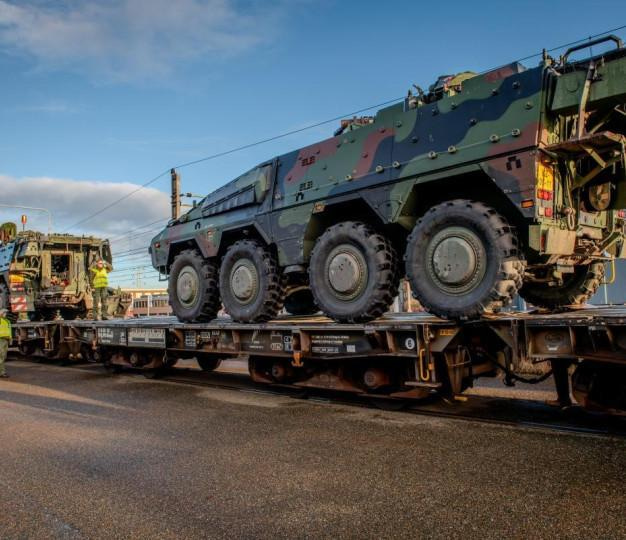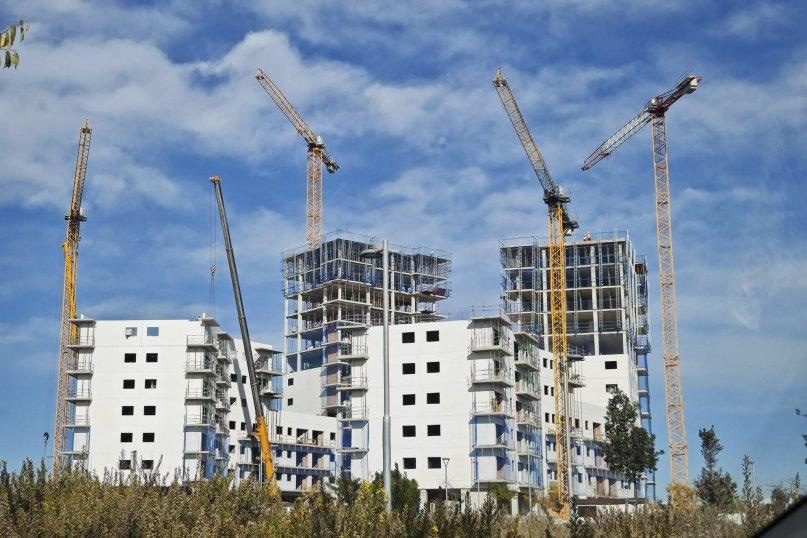
Katowice: The European Union’s biggest investment instrument is being quietly repointed. The mid-term review of cohesion policy, concluded this spring, gives member states and their regions new freedom to shift money toward priorities that barely featured when the current spending plans were drawn up, chief among them defence, decarbonisation and affordable housing.
Cohesion policy exists to narrow the gap between richer and poorer parts of the Union, channelling hundreds of billions of euros over each budget cycle into roads, research, skills and green infrastructure. But the world has changed since the programmes were designed. War on the Union’s eastern flank, an energy shock and a deepening housing squeeze have all pushed governments to ask whether long-committed funds could be freed for more urgent needs. The review answers yes, within limits.
The mechanics are built around incentives. Projects aligned with the new strategic priorities can receive up to 30 percent prefinancing, easing the cash-flow strain that often delays regional works. Programmes that move at least 15 percent of their money toward the favoured areas qualify for still more generous advance payments, and for some investments the Union will cover the entire cost. According to the Commission, the review had already redirected just under 35 billion euros by March, a figure that signals how eager capitals were for the flexibility.
Why it matters is a question of both ambition and identity. Supporters argue the changes let cohesion money respond to real emergencies, from housing shortages in fast-growing cities to the strain on regions bordering conflict zones, without waiting for the next seven-year budget. A regional commissioner has stressed that funds can now help address the energy crisis directly. For hard-pressed local authorities, the added prefinancing may be as valuable as the wider menu of eligible projects.
The unease is that a policy built to reduce territorial disparities risks being hollowed out from within. Defence spending and competitiveness are national and industrial concerns that do not obviously map onto the neediest regions, and critics fear that money meant for the poorest areas could drift toward wealthier ones better placed to launch shovel-ready projects. Analysts have framed the review as a stress test of whether cohesion can bend to new demands without losing its original mission. The debate feeds directly into a larger fight over the Union’s next long-term budget, where some governments favour channelling funds through national plans rather than regional programmes, a shift local leaders view with suspicion.
What comes next runs on two tracks. In the short term, regions will decide how much of their allocations to reprogramme and how quickly the redirected billions translate into visible works. In the longer term, the argument over the 2028 to 2034 budget will determine whether this flexibility becomes a permanent feature or a one-off adjustment. For places like Katowice, long shaped by cohesion investment in the shift away from coal, the outcome will help decide whether Europe’s regional solidarity survives an age of competing emergencies intact.