August 10, 2026
LATEST
Five Joint Defence Projects Launch Europe’s Military ShieldElectrification Plan Aims to Make Europe First Electro ContinentHorizon Europe Budget Fight Heats Up as Ministers Push BackGoogle’s DMA Fine Sets Off a Transatlantic Tariff ClashTwenty New University Alliances Join Erasmus for Two YearsForeign Subsidies Case Puts Temu in the EU’s SightsVan Tachographs Now Mandatory for Cross-Border FleetsStress Test Exposes Gaps in Euro Area Bank DefencesEurope Bets on a Gulf Partnership Before the Riyadh SummitWhy the Atlantic Route Now Runs Through MauritaniaKyiv and Chisinau Advance as the EU Accession Talks Gather PaceEurope’s New Digital Border System Beds In After a Rocky RolloutBrussels Mounts Its Largest Wildfire Response as the Fires SpreadRetail Spending Slipped in June, Wrong-Footing EconomistsHeatwave Warning Puts Brussels on Alert for Vulnerable GroupsKANAL’s 230 Million Euro Museum Sets a November Opening DatePension Savings Rules Get a Reset as the EU Scraps the 1% CapMedicine Shortages Move to the Heart of Europe’s Pharma ResetJapan Becomes Europe’s Closest Security Partner in AsiaCan Europe’s New Zealand Deal Anchor It in the Pacific?Five Joint Defence Projects Launch Europe’s Military ShieldElectrification Plan Aims to Make Europe First Electro ContinentHorizon Europe Budget Fight Heats Up as Ministers Push BackGoogle’s DMA Fine Sets Off a Transatlantic Tariff ClashTwenty New University Alliances Join Erasmus for Two YearsForeign Subsidies Case Puts Temu in the EU’s SightsVan Tachographs Now Mandatory for Cross-Border FleetsStress Test Exposes Gaps in Euro Area Bank DefencesEurope Bets on a Gulf Partnership Before the Riyadh SummitWhy the Atlantic Route Now Runs Through MauritaniaKyiv and Chisinau Advance as the EU Accession Talks Gather PaceEurope’s New Digital Border System Beds In After a Rocky RolloutBrussels Mounts Its Largest Wildfire Response as the Fires SpreadRetail Spending Slipped in June, Wrong-Footing EconomistsHeatwave Warning Puts Brussels on Alert for Vulnerable GroupsKANAL’s 230 Million Euro Museum Sets a November Opening DatePension Savings Rules Get a Reset as the EU Scraps the 1% CapMedicine Shortages Move to the Heart of Europe’s Pharma ResetJapan Becomes Europe’s Closest Security Partner in AsiaCan Europe’s New Zealand Deal Anchor It in the Pacific?
August 10, 2026
LATEST
Five Joint Defence Projects Launch Europe’s Military ShieldElectrification Plan Aims to Make Europe First Electro ContinentHorizon Europe Budget Fight Heats Up as Ministers Push BackGoogle’s DMA Fine Sets Off a Transatlantic Tariff ClashTwenty New University Alliances Join Erasmus for Two YearsForeign Subsidies Case Puts Temu in the EU’s SightsVan Tachographs Now Mandatory for Cross-Border FleetsStress Test Exposes Gaps in Euro Area Bank DefencesEurope Bets on a Gulf Partnership Before the Riyadh SummitWhy the Atlantic Route Now Runs Through MauritaniaKyiv and Chisinau Advance as the EU Accession Talks Gather PaceEurope’s New Digital Border System Beds In After a Rocky RolloutBrussels Mounts Its Largest Wildfire Response as the Fires SpreadRetail Spending Slipped in June, Wrong-Footing EconomistsHeatwave Warning Puts Brussels on Alert for Vulnerable GroupsKANAL’s 230 Million Euro Museum Sets a November Opening DatePension Savings Rules Get a Reset as the EU Scraps the 1% CapMedicine Shortages Move to the Heart of Europe’s Pharma ResetJapan Becomes Europe’s Closest Security Partner in AsiaCan Europe’s New Zealand Deal Anchor It in the Pacific?Five Joint Defence Projects Launch Europe’s Military ShieldElectrification Plan Aims to Make Europe First Electro ContinentHorizon Europe Budget Fight Heats Up as Ministers Push BackGoogle’s DMA Fine Sets Off a Transatlantic Tariff ClashTwenty New University Alliances Join Erasmus for Two YearsForeign Subsidies Case Puts Temu in the EU’s SightsVan Tachographs Now Mandatory for Cross-Border FleetsStress Test Exposes Gaps in Euro Area Bank DefencesEurope Bets on a Gulf Partnership Before the Riyadh SummitWhy the Atlantic Route Now Runs Through MauritaniaKyiv and Chisinau Advance as the EU Accession Talks Gather PaceEurope’s New Digital Border System Beds In After a Rocky RolloutBrussels Mounts Its Largest Wildfire Response as the Fires SpreadRetail Spending Slipped in June, Wrong-Footing EconomistsHeatwave Warning Puts Brussels on Alert for Vulnerable GroupsKANAL’s 230 Million Euro Museum Sets a November Opening DatePension Savings Rules Get a Reset as the EU Scraps the 1% CapMedicine Shortages Move to the Heart of Europe’s Pharma ResetJapan Becomes Europe’s Closest Security Partner in AsiaCan Europe’s New Zealand Deal Anchor It in the Pacific?

Right to Repair Directive: National Transposition Sets New Standards

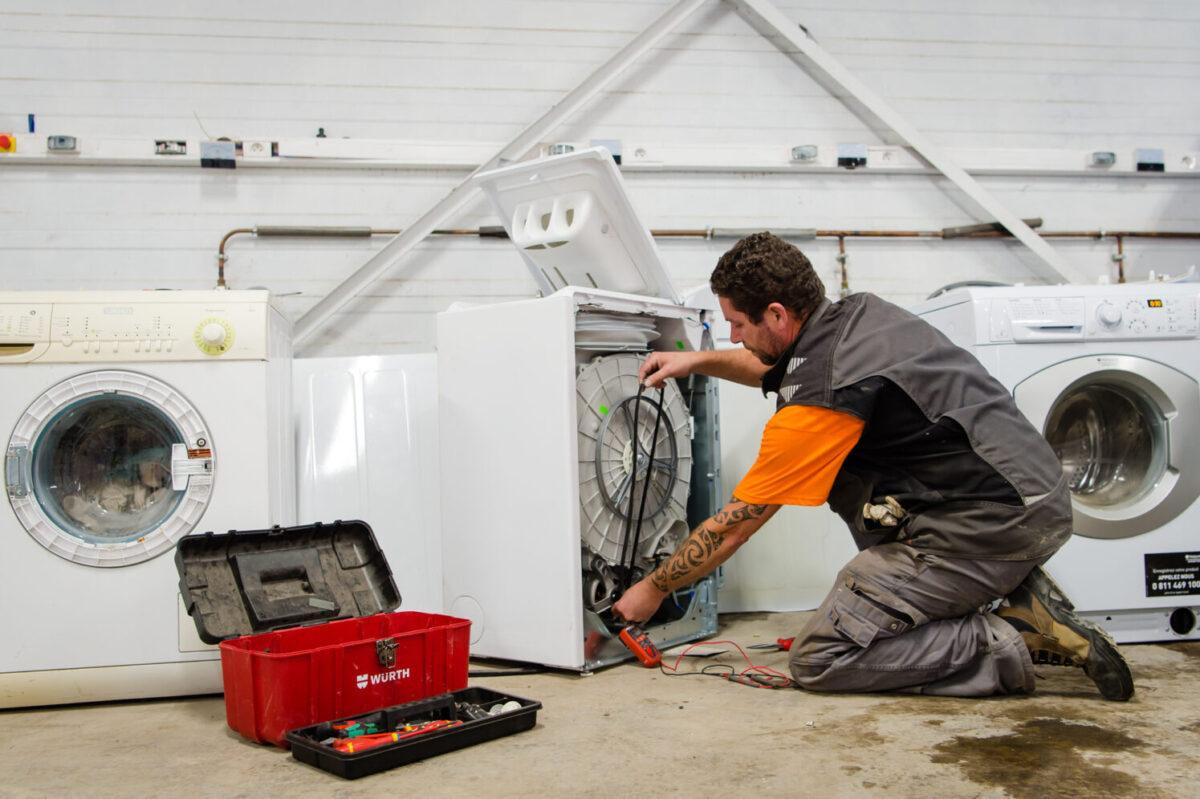
Paris: The Right to Repair Directive, whose national transposition deadline of 31 July 2026 has prompted intensive legislative activity across the Union, has entered its decisive implementation phase with the French Directorate-General for Competition Policy, Consumer Affairs and Fraud Control publishing the operational guidance for repair-related obligations on 13 May. The directive, adopted in 2024, establishes a coherent Union-level framework for consumer access to repair, repair information, and spare parts for a defined category of goods.

The directive’s operational architecture rests on four principal pillars. The first establishes a right for consumers to request repair from producers of products that fall within scope, with the producer obliged to honour the request at a reasonable price within a reasonable period. The second imposes obligations on producers to make spare parts, tools, and repair information available to professional and independent repairers. The third extends the legal guarantee period in cases where repair is performed during the guarantee period. The fourth establishes a Union-wide online repair platform that enables consumers to locate authorised and independent repairers.

The product scope of the directive, defined by reference to the Ecodesign Regulation’s product-specific implementing measures, includes major household appliances, consumer electronics, smartphones, and a growing list of categories scheduled for inclusion through delegated acts. The Commission’s work programme for 2026 includes the addition of further product categories, with the inclusion of certain categories of medical devices and recreational equipment under active consideration.

The economic significance of the framework is substantial. The Commission’s impact assessment, published in support of the original proposal, estimated annual consumer savings from repair as opposed to replacement at approximately 18 billion euro across the Union, with corresponding environmental benefits in the form of reduced material consumption and waste generation. The repair sector itself, which employs more than 200,000 workers across the Union, is expected to benefit from improved access to information and spare parts.

Industry adaptation to the directive has been substantial but uneven. The major appliance manufacturers, including BSH, Whirlpool, and Electrolux, have substantially restructured their after-sales operations to comply with the directive’s information and spare parts obligations. Consumer electronics manufacturers, by contrast, have faced more substantial restructuring challenges, particularly with regard to design practices that limit repairability. The Commission’s complementary work under the Ecodesign for Sustainable Products Regulation addresses these design-stage issues through product-specific delegated acts.

The implementation challenge varies significantly across Member States. Those with established consumer protection authorities and well-developed repair sectors, including the Nordic countries, France, and Germany, have completed transposition with relatively limited adjustments to existing national frameworks. Member States with less developed repair infrastructure face more substantial implementation challenges, including the establishment of authorised repairer networks and the development of consumer awareness of the new rights. The Commission’s implementation support, including dedicated funding under the Single Market Programme, addresses some but not all of these challenges.

A specific question concerns the relationship between the Right to Repair Directive and the Sale of Goods Directive’s legal guarantee provisions. The interaction, addressed through the directive’s amendments to the Sale of Goods Directive, has produced situations in which the choice between repair and replacement remains contested between consumers and traders. The Commission’s interpretative guidance, published in March, has addressed some of the resulting disputes; further clarification through the case law of the Court of Justice is likely.

Consumer organisations, including the European consumers’ organisation BEUC and its national members, have broadly welcomed the directive while pressing for an ambitious application of the framework. Their forthcoming review of national transposition, scheduled for September, will identify implementation gaps and shape the Commission’s enforcement priorities. The framework’s success will be measured not by the text of the legislation but by the practical experience of consumers seeking repair.