Duisburg: The safeguard that has cushioned Europe’s steelmakers for the better part of a decade is about to be retired, and what replaces it will be markedly harder-edged. The tariff-rate quotas that cap duty-free steel imports, first imposed in 2018 and extended repeatedly since, expire on 30 June, and the European Commission has confirmed it will not simply let them lapse. Instead it is preparing a successor instrument designed to give domestic producers firmer protection against a global glut that shows no sign of easing.
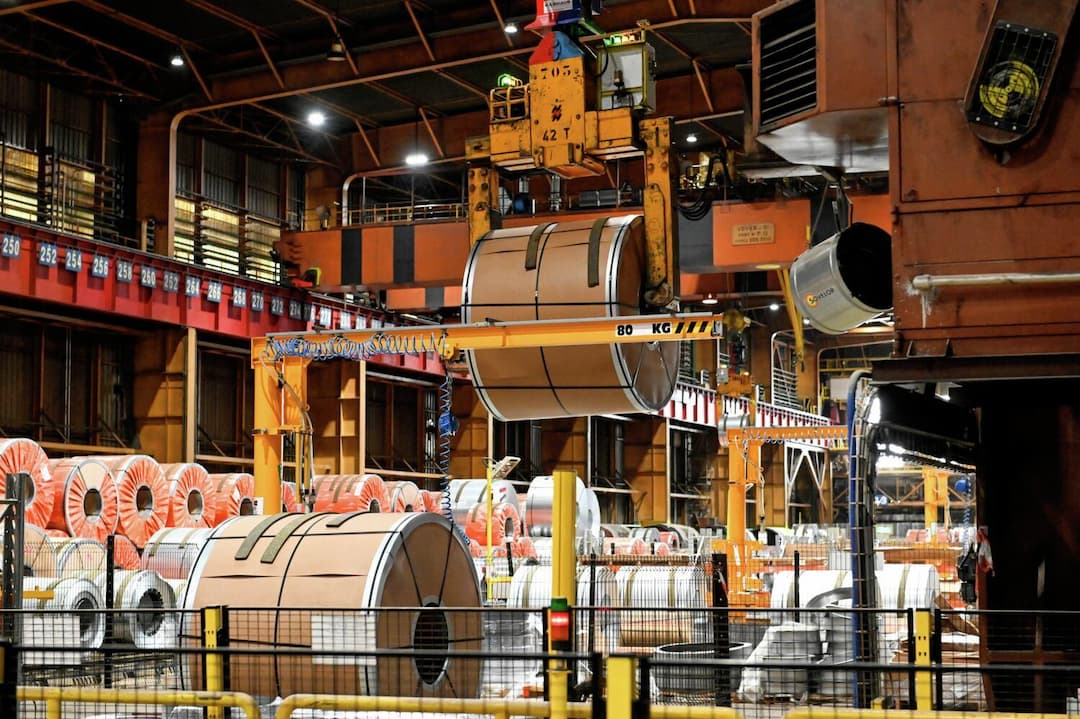
The stakes are concentrated in towns like this one on the Rhine, where blast furnaces and rolling mills anchor entire local economies. European steel has spent years squeezed between high energy costs, carbon-pricing obligations and a tide of cheaper imports, much of it traceable to overcapacity in China and elsewhere. The expiring safeguard allowed a set tonnage to enter at zero duty before tariffs of 25 percent kicked in, a blunt mechanism that industry complained had grown leaky as import patterns shifted. The replacement, trailed in the Commission’s Steel and Metals Action Plan, is expected to tighten volumes and close the workarounds that let surplus metal slip through.
Running alongside the safeguard overhaul is a quieter but potentially more durable change in how Europe polices the origin of steel. On 4 June the Commission opened a targeted consultation on the documentation needed to enforce a melt-and-pour traceability requirement, a rule that ties a product’s origin to where its metal was actually melted and cast rather than merely where it was lightly processed. The mechanism is aimed squarely at circumvention, the practice of routing Chinese or other surplus steel through third countries to dodge duties. If implemented robustly, it would make it far harder to disguise the true source of imported metal.
The trade-defence machinery has been busy on other fronts too. In May the Commission imposed anti-dumping duties on adipic acid from China, a reminder that the classic toolkit of anti-dumping, anti-subsidy and safeguard measures remains central even as Brussels designs new instruments. Trade lawyers expect sustained recourse to such investigations through 2026, with sharper scrutiny of injury analysis and a deliberate focus on measures that deter circumvention rather than invite it.
For Europe’s trading partners, the steel pivot is a signal worth reading closely. A tougher safeguard regime, paired with melt-and-pour enforcement, edges the union toward a more openly defensive posture, one that prioritises preserving an industrial base over the liberalising instincts that defined earlier decades. Exporters in countries that have served as transit hubs for surplus metal stand to lose the most, while integrated producers that can document clean supply chains may find the new rules a competitive advantage.
The risk for Brussels is retaliation and the charge of protectionism, particularly from partners who argue that Europe’s energy and carbon costs, not unfair imports, are the real source of its mills’ troubles. The Commission’s wager is that without a credible shield, the continent’s primary steelmaking capacity will simply disappear, taking strategic autonomy and tens of thousands of jobs with it. When the clock runs out on 30 June, the answer to whether that shield is strong enough will begin to take shape in the order books of mills like those along the Rhine.