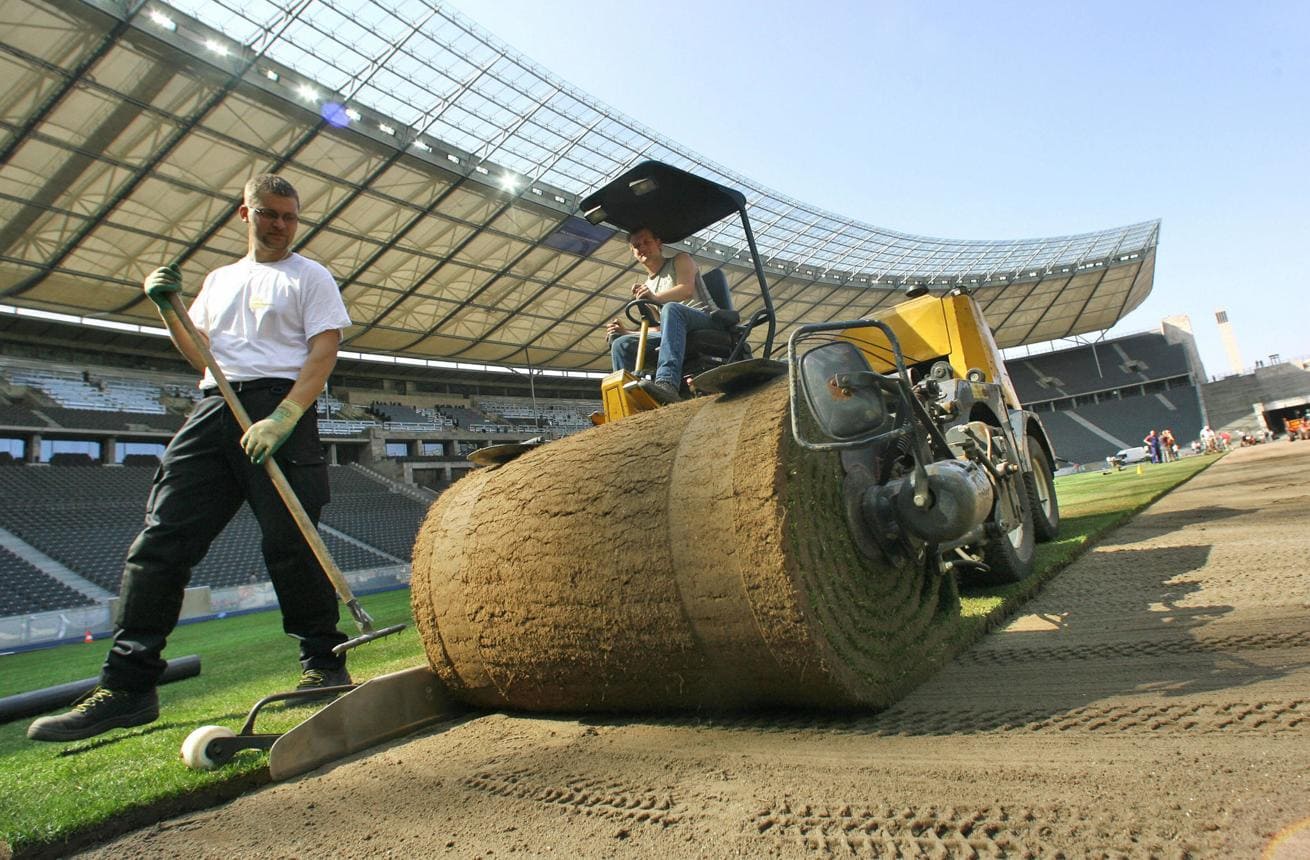
Aarhus: The artificial grass that carpets thousands of European football pitches, school playgrounds and public parks has become the unlikely subject of one of the Commission’s freshest cartel investigations. Antitrust regulators have sent a Statement of Objections to several manufacturers of synthetic turf, accusing them of coordinating prices and carving up customers rather than competing for the contracts that municipalities and sports clubs put out to tender. The charge sheet does not yet amount to a finding of wrongdoing, but it marks the moment the inquiry hardens from quiet evidence-gathering into a formal case the companies must now answer.
The theory of harm is familiar even if the product is not. Where rivals are supposed to undercut one another, the Commission alleges they instead exchanged commercially sensitive information and aligned their commercial conduct, blunting the discipline that an open market is meant to impose. For the buyers at the other end of those deals, the effect of such arrangements is rarely visible at the time. A town council comparing three quotes for a new pitch has no way of knowing whether the numbers in front of it were set in a meeting room months earlier. That opacity is precisely what makes cartels durable and why enforcers treat them as among the gravest breaches of competition law.
The case lands at a sensitive moment for the sector. Synthetic turf has drawn growing scrutiny on environmental grounds, with debate over microplastic shedding and end-of-life disposal already shadowing the industry. A competition probe layered on top of that pressure compounds the reputational exposure for manufacturers who had hoped to present themselves as partners in cheaper, lower-maintenance sports infrastructure. It also underlines a point the Commission has made repeatedly: enforcement is not reserved for headline digital platforms but reaches deep into the unglamorous industrial supply chains that public money flows through every year.
Procedurally, the companies now have the right to inspect the evidence in the file, reply in writing and request an oral hearing before any decision is taken. Cartel cases can run for years, and the eventual outcome ranges from a clean rejection of the charges to fines that can reach a tenth of a company’s global annual turnover. Firms that come forward with evidence under the leniency programme can see penalties cut or erased altogether, which often turns these investigations into a race to cooperate once the first door is knocked.
For the municipalities that ultimately foot the bill, the significance is less about the size of any future fine than about the prospect of redress. Public bodies that overpaid because of an illegal arrangement can pursue damages in national courts, and a Commission infringement decision would hand them a powerful piece of evidence. Whether the synthetic turf inquiry reaches that point remains open, but the message of the charge sheet is unambiguous. The Commission is signalling that even the surface under a child’s football match is fair game for scrutiny when the contracts behind it look rigged, and that competition law’s reach is measured not by an industry’s profile but by the harm a closed market does to the people paying for it.