August 10, 2026
LATEST
Beijing Answers Europe’s Russia Sanctions in KindOne Year On, the EU-Japan Alliance Faces Its First TestEurope’s Chip Ambitions Still Run Through Taiwan’s FabsWhy South Korea Bet Its Research Future on Europe’s ProgrammeEurope and Japan Deepen Their Economic Alliance as Rivals CircleFive Joint Defence Projects Launch Europe’s Military ShieldElectrification Plan Aims to Make Europe First Electro ContinentHorizon Europe Budget Fight Heats Up as Ministers Push BackGoogle’s DMA Fine Sets Off a Transatlantic Tariff ClashTwenty New University Alliances Join Erasmus for Two YearsForeign Subsidies Case Puts Temu in the EU’s SightsVan Tachographs Now Mandatory for Cross-Border FleetsStress Test Exposes Gaps in Euro Area Bank DefencesEurope Bets on a Gulf Partnership Before the Riyadh SummitWhy the Atlantic Route Now Runs Through MauritaniaKyiv and Chisinau Advance as the EU Accession Talks Gather PaceEurope’s New Digital Border System Beds In After a Rocky RolloutBrussels Mounts Its Largest Wildfire Response as the Fires SpreadRetail Spending Slipped in June, Wrong-Footing EconomistsHeatwave Warning Puts Brussels on Alert for Vulnerable GroupsBeijing Answers Europe’s Russia Sanctions in KindOne Year On, the EU-Japan Alliance Faces Its First TestEurope’s Chip Ambitions Still Run Through Taiwan’s FabsWhy South Korea Bet Its Research Future on Europe’s ProgrammeEurope and Japan Deepen Their Economic Alliance as Rivals CircleFive Joint Defence Projects Launch Europe’s Military ShieldElectrification Plan Aims to Make Europe First Electro ContinentHorizon Europe Budget Fight Heats Up as Ministers Push BackGoogle’s DMA Fine Sets Off a Transatlantic Tariff ClashTwenty New University Alliances Join Erasmus for Two YearsForeign Subsidies Case Puts Temu in the EU’s SightsVan Tachographs Now Mandatory for Cross-Border FleetsStress Test Exposes Gaps in Euro Area Bank DefencesEurope Bets on a Gulf Partnership Before the Riyadh SummitWhy the Atlantic Route Now Runs Through MauritaniaKyiv and Chisinau Advance as the EU Accession Talks Gather PaceEurope’s New Digital Border System Beds In After a Rocky RolloutBrussels Mounts Its Largest Wildfire Response as the Fires SpreadRetail Spending Slipped in June, Wrong-Footing EconomistsHeatwave Warning Puts Brussels on Alert for Vulnerable Groups
August 10, 2026
LATEST
Beijing Answers Europe’s Russia Sanctions in KindOne Year On, the EU-Japan Alliance Faces Its First TestEurope’s Chip Ambitions Still Run Through Taiwan’s FabsWhy South Korea Bet Its Research Future on Europe’s ProgrammeEurope and Japan Deepen Their Economic Alliance as Rivals CircleFive Joint Defence Projects Launch Europe’s Military ShieldElectrification Plan Aims to Make Europe First Electro ContinentHorizon Europe Budget Fight Heats Up as Ministers Push BackGoogle’s DMA Fine Sets Off a Transatlantic Tariff ClashTwenty New University Alliances Join Erasmus for Two YearsForeign Subsidies Case Puts Temu in the EU’s SightsVan Tachographs Now Mandatory for Cross-Border FleetsStress Test Exposes Gaps in Euro Area Bank DefencesEurope Bets on a Gulf Partnership Before the Riyadh SummitWhy the Atlantic Route Now Runs Through MauritaniaKyiv and Chisinau Advance as the EU Accession Talks Gather PaceEurope’s New Digital Border System Beds In After a Rocky RolloutBrussels Mounts Its Largest Wildfire Response as the Fires SpreadRetail Spending Slipped in June, Wrong-Footing EconomistsHeatwave Warning Puts Brussels on Alert for Vulnerable GroupsBeijing Answers Europe’s Russia Sanctions in KindOne Year On, the EU-Japan Alliance Faces Its First TestEurope’s Chip Ambitions Still Run Through Taiwan’s FabsWhy South Korea Bet Its Research Future on Europe’s ProgrammeEurope and Japan Deepen Their Economic Alliance as Rivals CircleFive Joint Defence Projects Launch Europe’s Military ShieldElectrification Plan Aims to Make Europe First Electro ContinentHorizon Europe Budget Fight Heats Up as Ministers Push BackGoogle’s DMA Fine Sets Off a Transatlantic Tariff ClashTwenty New University Alliances Join Erasmus for Two YearsForeign Subsidies Case Puts Temu in the EU’s SightsVan Tachographs Now Mandatory for Cross-Border FleetsStress Test Exposes Gaps in Euro Area Bank DefencesEurope Bets on a Gulf Partnership Before the Riyadh SummitWhy the Atlantic Route Now Runs Through MauritaniaKyiv and Chisinau Advance as the EU Accession Talks Gather PaceEurope’s New Digital Border System Beds In After a Rocky RolloutBrussels Mounts Its Largest Wildfire Response as the Fires SpreadRetail Spending Slipped in June, Wrong-Footing EconomistsHeatwave Warning Puts Brussels on Alert for Vulnerable Groups

Three Euro Flat Duty Now Closes The Low-Value Parcel Import Gap

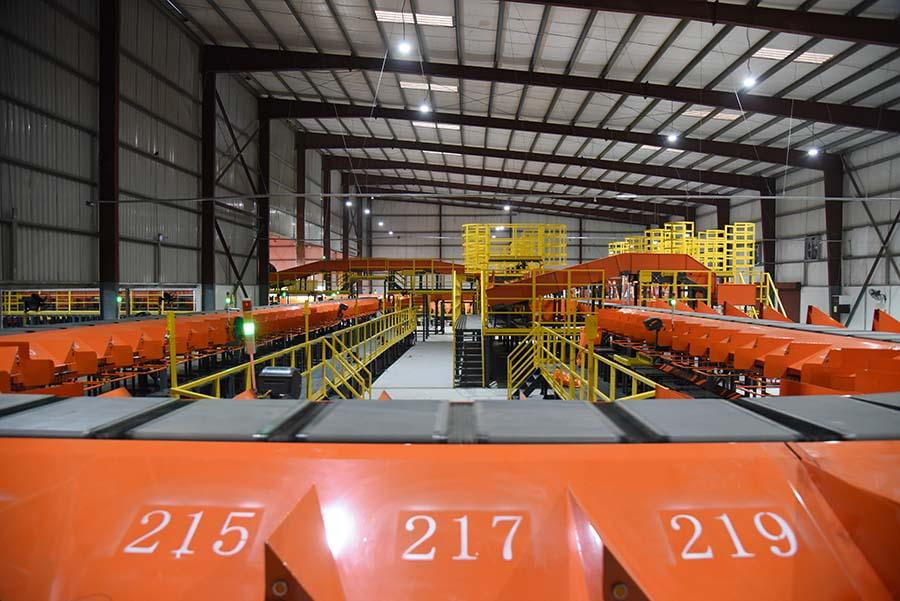
Liège: At the sorting hubs where millions of small packages from outside the Union are scanned each week, the arithmetic of cross-border shopping is about to change. From 1 July 2026, the customs duty exemption that has long spared consignments worth less than 150 euros will disappear, replaced by an interim flat duty of three euros per parcel. The shift, agreed by member states after the Commission first proposed it as part of its 2023 customs overhaul, marks the first concrete piece of that reform to reach citizens’ doorsteps.

The exemption being retired is a creature of an earlier age of trade. When it was designed, the volume of individual parcels arriving directly from third-country sellers was modest enough that collecting duty on each one seemed more trouble than it was worth. That assumption collapsed under the weight of online marketplaces. Billions of low-value items now enter the bloc annually, the overwhelming majority declared at values conveniently below the threshold, and customs authorities have struggled both to police the declarations and to protect domestic retailers who enjoy no comparable relief.

The new flat charge is deliberately blunt. Rather than attempt to apply the full tariff schedule to each item from day one, the interim system levies three euros on each consignment, with the duty applied per category of goods identified by tariff sub-heading where a parcel contains mixed items. Value-added tax and the existing customs declaration requirements, which the old exemption never touched, remain in place. The design trades precision for the ability to start collecting quickly while the heavier machinery is built.

That heavier machinery is the EU customs data hub, the centralised system meant to give authorities a single, real-time view of what is entering the bloc and from whom. Until it becomes operational, currently anticipated around 2028, the flat duty stands in as a stopgap. Once the hub is running, officials say, normal customs tariffs will apply to small parcels as they do to larger shipments, and the three-euro mechanism will be retired in turn.

For logistics operators and the platforms that feed them, the practical questions are immediate. Who is liable to collect and remit the charge, how it is presented to consumers at checkout, and whether sellers will absorb it or pass it on are all matters that will shape buying behaviour over the second half of the year. Industry groups representing express carriers have warned that the per-consignment structure could prove administratively awkward for high-volume, low-margin flows, and have pressed for clarity on how returns and undeliverable items are treated.

The broader significance lies in what the measure signals about the Union’s posture toward a trading pattern it once tolerated and now regards with suspicion. The reform is framed not merely as a revenue question but as one of fairness to compliant European businesses and of control over goods that may not meet the bloc’s product-safety or environmental rules. The three-euro duty is modest in itself. The infrastructure it foreshadows is not, and the July switch is best read as the opening move in a longer effort to bring the parcel economy fully inside the customs perimeter.