August 10, 2026
LATEST
Five Joint Defence Projects Launch Europe’s Military ShieldElectrification Plan Aims to Make Europe First Electro ContinentHorizon Europe Budget Fight Heats Up as Ministers Push BackGoogle’s DMA Fine Sets Off a Transatlantic Tariff ClashTwenty New University Alliances Join Erasmus for Two YearsForeign Subsidies Case Puts Temu in the EU’s SightsVan Tachographs Now Mandatory for Cross-Border FleetsStress Test Exposes Gaps in Euro Area Bank DefencesEurope Bets on a Gulf Partnership Before the Riyadh SummitWhy the Atlantic Route Now Runs Through MauritaniaKyiv and Chisinau Advance as the EU Accession Talks Gather PaceEurope’s New Digital Border System Beds In After a Rocky RolloutBrussels Mounts Its Largest Wildfire Response as the Fires SpreadRetail Spending Slipped in June, Wrong-Footing EconomistsHeatwave Warning Puts Brussels on Alert for Vulnerable GroupsKANAL’s 230 Million Euro Museum Sets a November Opening DatePension Savings Rules Get a Reset as the EU Scraps the 1% CapMedicine Shortages Move to the Heart of Europe’s Pharma ResetJapan Becomes Europe’s Closest Security Partner in AsiaCan Europe’s New Zealand Deal Anchor It in the Pacific?Five Joint Defence Projects Launch Europe’s Military ShieldElectrification Plan Aims to Make Europe First Electro ContinentHorizon Europe Budget Fight Heats Up as Ministers Push BackGoogle’s DMA Fine Sets Off a Transatlantic Tariff ClashTwenty New University Alliances Join Erasmus for Two YearsForeign Subsidies Case Puts Temu in the EU’s SightsVan Tachographs Now Mandatory for Cross-Border FleetsStress Test Exposes Gaps in Euro Area Bank DefencesEurope Bets on a Gulf Partnership Before the Riyadh SummitWhy the Atlantic Route Now Runs Through MauritaniaKyiv and Chisinau Advance as the EU Accession Talks Gather PaceEurope’s New Digital Border System Beds In After a Rocky RolloutBrussels Mounts Its Largest Wildfire Response as the Fires SpreadRetail Spending Slipped in June, Wrong-Footing EconomistsHeatwave Warning Puts Brussels on Alert for Vulnerable GroupsKANAL’s 230 Million Euro Museum Sets a November Opening DatePension Savings Rules Get a Reset as the EU Scraps the 1% CapMedicine Shortages Move to the Heart of Europe’s Pharma ResetJapan Becomes Europe’s Closest Security Partner in AsiaCan Europe’s New Zealand Deal Anchor It in the Pacific?
August 10, 2026
LATEST
Five Joint Defence Projects Launch Europe’s Military ShieldElectrification Plan Aims to Make Europe First Electro ContinentHorizon Europe Budget Fight Heats Up as Ministers Push BackGoogle’s DMA Fine Sets Off a Transatlantic Tariff ClashTwenty New University Alliances Join Erasmus for Two YearsForeign Subsidies Case Puts Temu in the EU’s SightsVan Tachographs Now Mandatory for Cross-Border FleetsStress Test Exposes Gaps in Euro Area Bank DefencesEurope Bets on a Gulf Partnership Before the Riyadh SummitWhy the Atlantic Route Now Runs Through MauritaniaKyiv and Chisinau Advance as the EU Accession Talks Gather PaceEurope’s New Digital Border System Beds In After a Rocky RolloutBrussels Mounts Its Largest Wildfire Response as the Fires SpreadRetail Spending Slipped in June, Wrong-Footing EconomistsHeatwave Warning Puts Brussels on Alert for Vulnerable GroupsKANAL’s 230 Million Euro Museum Sets a November Opening DatePension Savings Rules Get a Reset as the EU Scraps the 1% CapMedicine Shortages Move to the Heart of Europe’s Pharma ResetJapan Becomes Europe’s Closest Security Partner in AsiaCan Europe’s New Zealand Deal Anchor It in the Pacific?Five Joint Defence Projects Launch Europe’s Military ShieldElectrification Plan Aims to Make Europe First Electro ContinentHorizon Europe Budget Fight Heats Up as Ministers Push BackGoogle’s DMA Fine Sets Off a Transatlantic Tariff ClashTwenty New University Alliances Join Erasmus for Two YearsForeign Subsidies Case Puts Temu in the EU’s SightsVan Tachographs Now Mandatory for Cross-Border FleetsStress Test Exposes Gaps in Euro Area Bank DefencesEurope Bets on a Gulf Partnership Before the Riyadh SummitWhy the Atlantic Route Now Runs Through MauritaniaKyiv and Chisinau Advance as the EU Accession Talks Gather PaceEurope’s New Digital Border System Beds In After a Rocky RolloutBrussels Mounts Its Largest Wildfire Response as the Fires SpreadRetail Spending Slipped in June, Wrong-Footing EconomistsHeatwave Warning Puts Brussels on Alert for Vulnerable GroupsKANAL’s 230 Million Euro Museum Sets a November Opening DatePension Savings Rules Get a Reset as the EU Scraps the 1% CapMedicine Shortages Move to the Heart of Europe’s Pharma ResetJapan Becomes Europe’s Closest Security Partner in AsiaCan Europe’s New Zealand Deal Anchor It in the Pacific?

Europe Bets on a Quantum Act to Close a Widening Gap

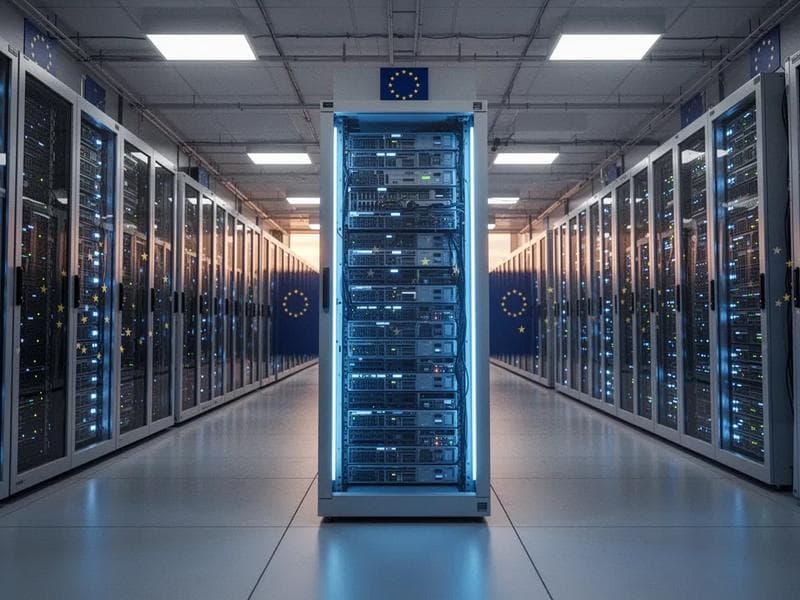
Brussels: Europe invents quantum science and then watches others commercialise it, and the Commission now wants a law to break that habit. A call for evidence is open to shape a future EU Quantum Act, which Brussels aims to adopt before the year ends and which would sit alongside the Chips Act, the EuroHPC supercomputers and the IRIS2 satellite network.

The pitch is coherence. European labs produce world-class research, but funding scatters across national programmes and start-ups often cross the Atlantic to raise growth capital. The Quantum Act would build on the Quantum Europe Strategy and its five pillars, from research to skills to a secure supply chain, and give industry a single framework to plan against.

Money follows the strategy

The cash is already moving. Two Horizon Europe calls under the Chips Joint Undertaking opened on 7 July, offering 30 million euros for quantum chip design and a further 20 million for enabling technologies, both closing on 7 September. They layer onto the Quantum Flagship, whose next phase carries more than 400 million euros and over twenty projects. Brussels wants pilot lines, cleanrooms and foundries on European soil rather than blueprints that migrate abroad.

Legislation cannot manufacture scale

Ambition still outruns capacity. The United States and China commit sums that dwarf Europe’s, and private venture funding for quantum firms remains far thinner on this side of the Atlantic. Recent estimates put European quantum start-up funding at a fraction of the American total, and much of what Europe does raise still comes from public rather than private sources. A law that harmonises rules and pools procurement helps, but it cannot conjure the deep capital markets that let American start-ups scale from prototype to product without leaving home.

Security adds urgency. Quantum computers threaten to crack the encryption that guards banking, defence and government data, so Brussels treats a domestic supply chain as sovereignty rather than industrial policy alone. The same logic drove the Chips Act, which set bold targets that the bloc is still struggling to meet.

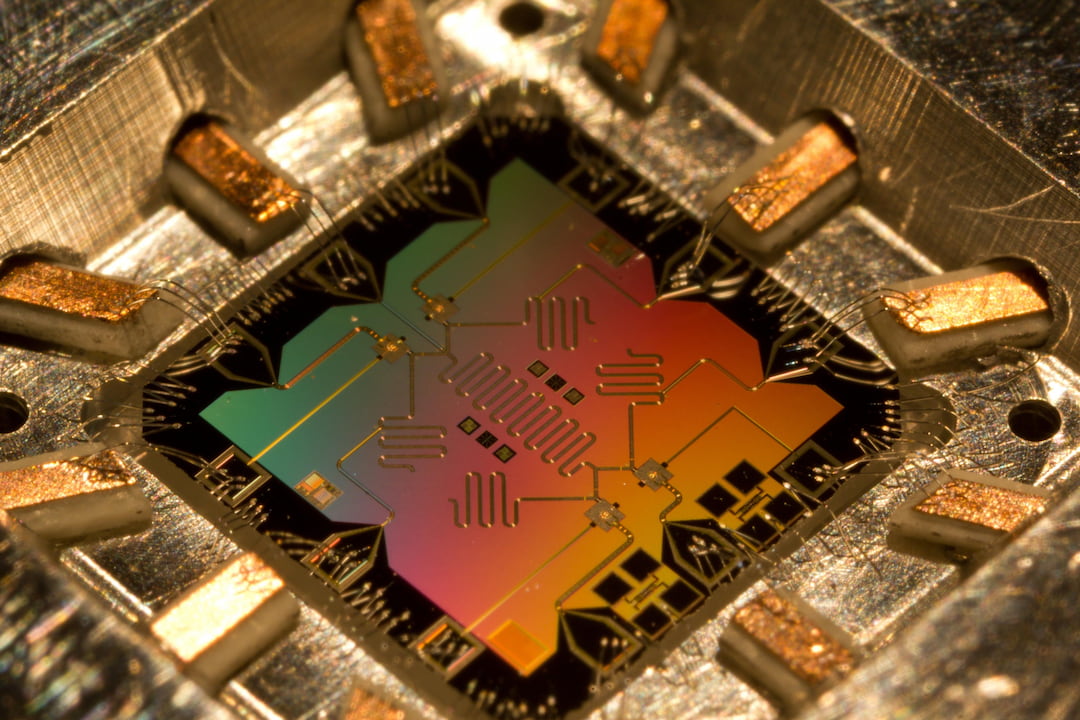
Skills may decide the outcome more than statutes. Europe trains excellent quantum physicists yet loses many to better-paid roles in the United States, and firms across the continent already report shortages of engineers who can turn laboratory qubits into stable machines. The Quantum Europe Strategy names talent as a pillar for that reason, pairing it with plans for shared testbeds and common standards so that start-ups can validate hardware without building costly facilities alone. Whether the coming Act funds those commitments or merely restates them will tell investors how seriously to take it.

That precedent is the warning. The Chips Act showed that declaring a share of global output is easier than winning it, and quantum offers even less room for error because the technology matures in years, not decades. If the Quantum Act arrives with binding milestones, patient funding and honest metrics, it could anchor a genuine industry. If it arrives as another headline number, Europe will keep exporting its brightest ideas and importing the products they become.