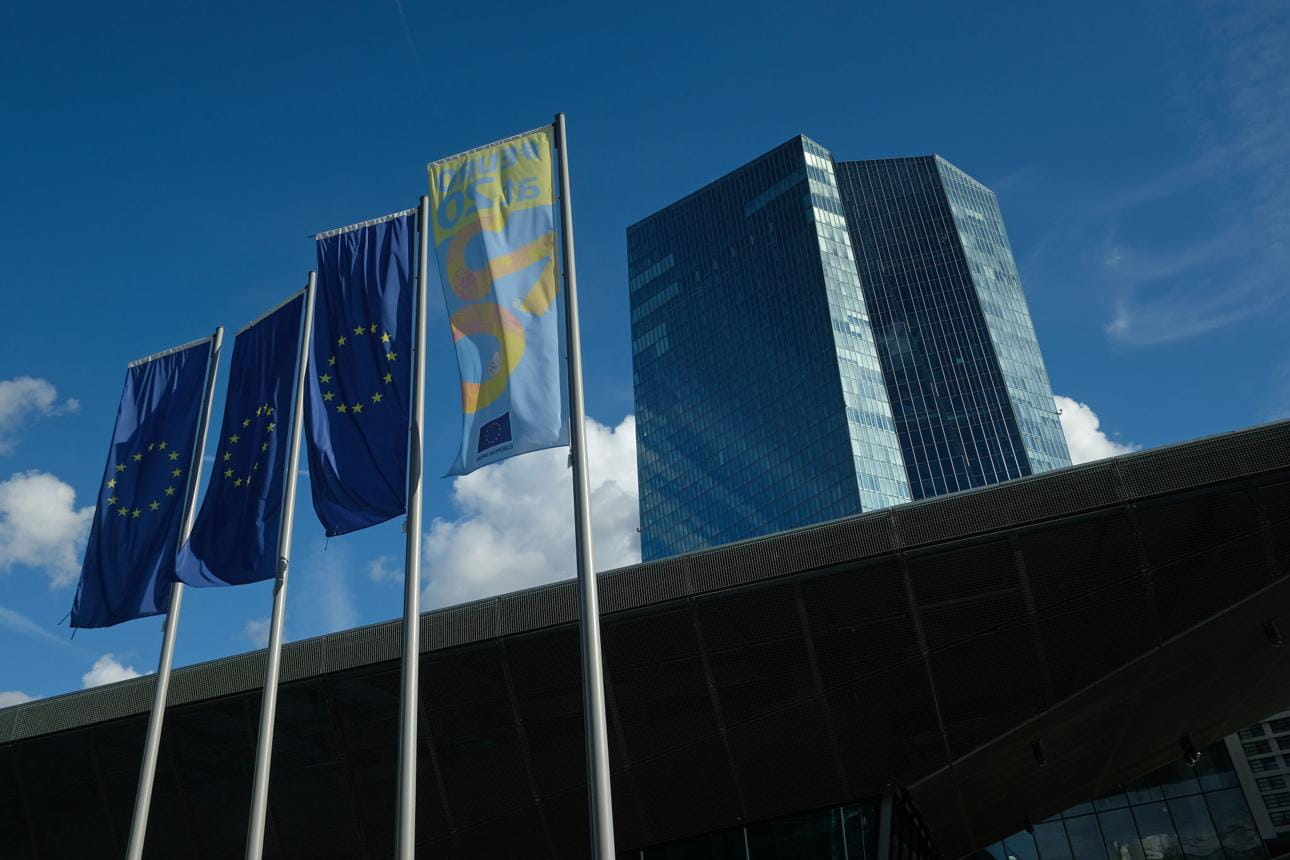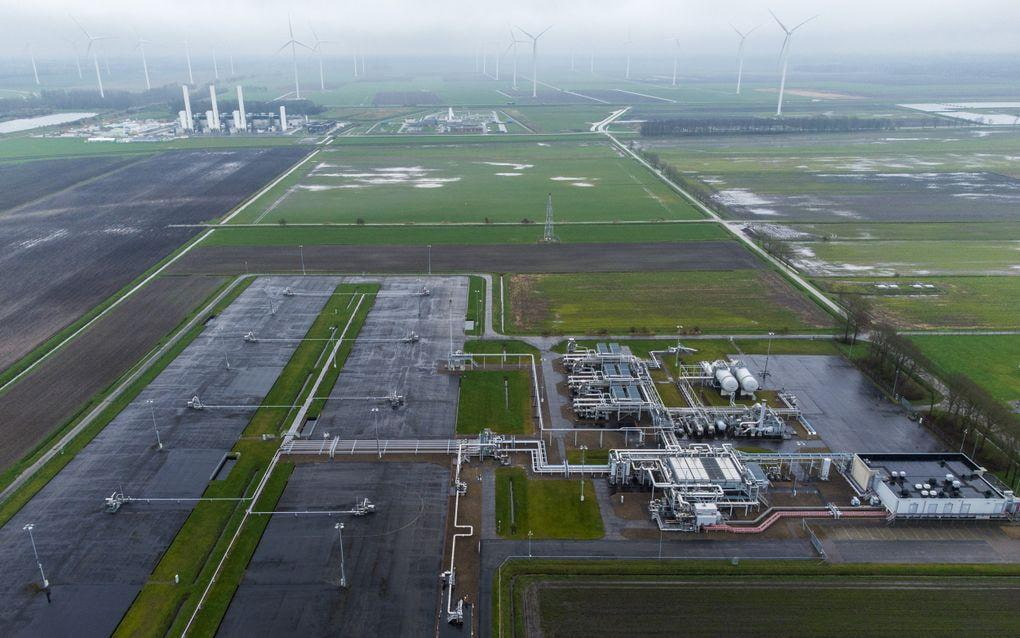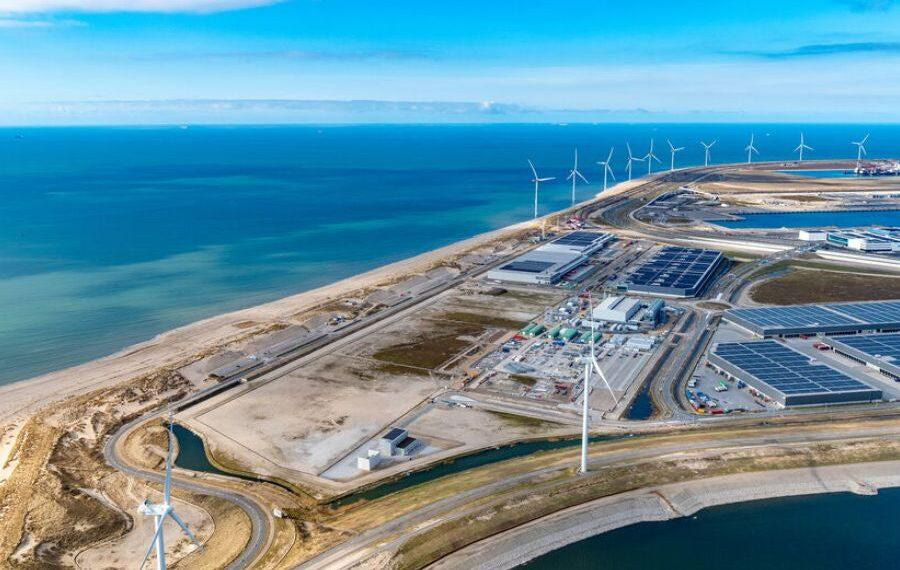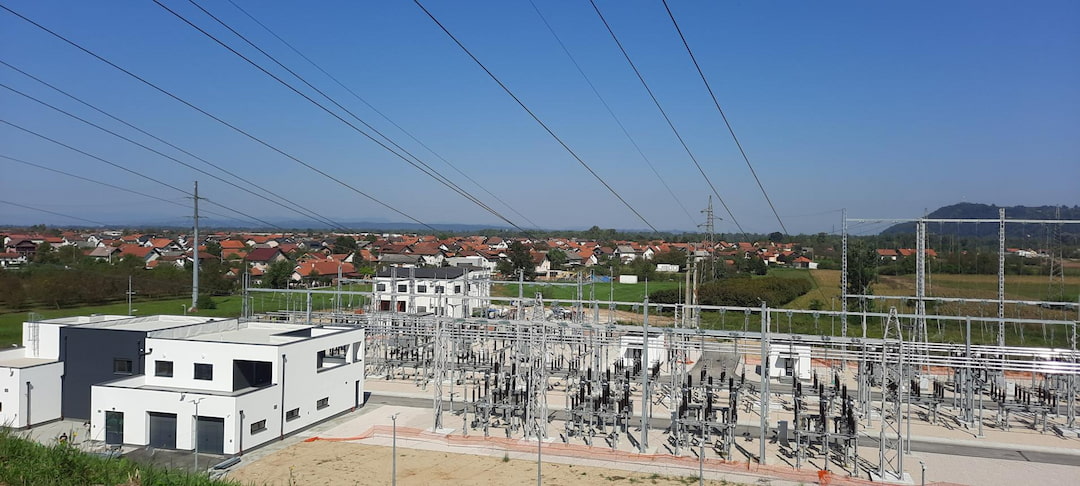
Leipzig: The wires, not the windmills, are becoming the binding constraint on Europe’s energy transition, and Brussels has started to act like it. Electricity consumption across the Union is projected to climb by roughly 60 percent by 2030 as heat pumps, electric cars, data centres and electrifying factories all reach for the same sockets. The grid that must carry that load is ageing, congested and, in many corridors, decades behind the pace at which renewable capacity is being built.
The Commission’s European Grids Package, presented in December, is the response. It follows an earlier action plan and tries to attack the bottleneck from several sides at once: faster permitting for cross-border lines, stronger incentives for operators to invest ahead of demand rather than after congestion appears, and a push to standardise the components and planning that today vary from one national regulator to the next. The logic is that a wind farm or solar park stranded behind an overloaded cable delivers neither cheap power nor lower emissions, only frustration and curtailed output.
Infrastructure choices are moving in parallel. In April the Union adopted a fresh list of projects of common interest, singling out priority electricity and hydrogen links that qualify for streamlined treatment and, in some cases, European money. Hydrogen is the more contested piece. The rules that decide which molecules count as genuinely green, the so-called additionality requirements, are under pressure from an industry that says they are too strict to let a market form, and officials have signalled a review may be pulled forward rather than left to a scheduled 2028 assessment.
That tension captures the wider dilemma. Move too slowly, and Europe locks in congestion, higher bills and missed climate targets. Move too fast, and it risks subsidising hydrogen that is not as clean as advertised or approving lines that communities will fight for years. Grid projects are notoriously unpopular with the people who live beneath the pylons, and streamlined permitting only works if it survives contact with local opposition and environmental review.
The money involved is immense, running into the hundreds of billions that regulators must ultimately recover through network charges paid by households and firms. That makes the coming national decisions politically delicate, because faster investment today means visible costs on tomorrow’s bills, even if the alternative is dearer still. For now the direction is set. From the trading floors of Leipzig to the wind coasts of the north, the message is that Europe cannot decarbonise on a grid built for a smaller, dirtier and far more predictable century.