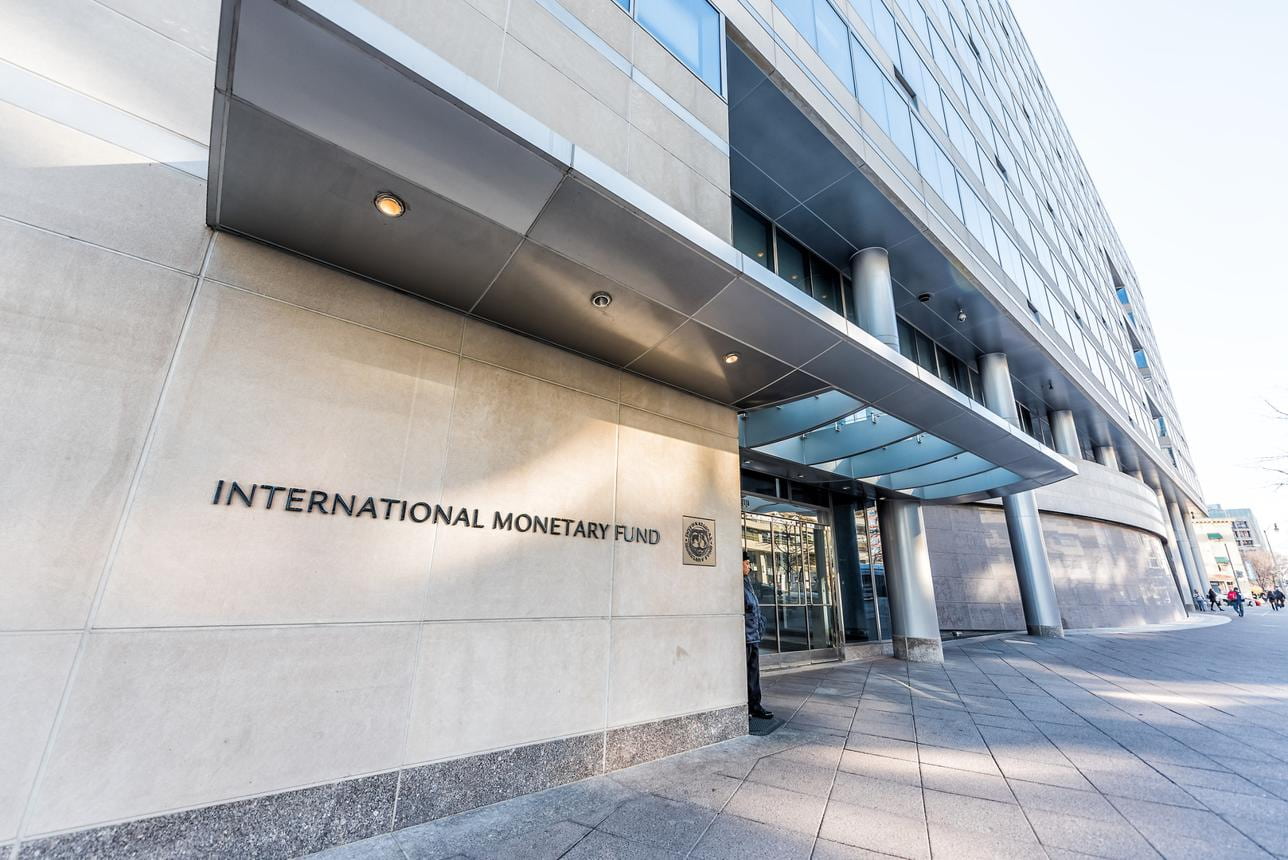
Washington, D.C.: The International Monetary Fund used its 2026 review of the euro area to deliver a plain verdict. Europe’s monetary union remains half-built, and the missing pieces leave the bloc exposed when the next downturn strikes.
Fund staff closed their annual mission on the euro area’s common policies with a familiar list. They pressed governments to finish the banking union, deepen capital markets and rebuild the fiscal room they burned through during the energy crisis. You can read the mission’s concluding statement in full.
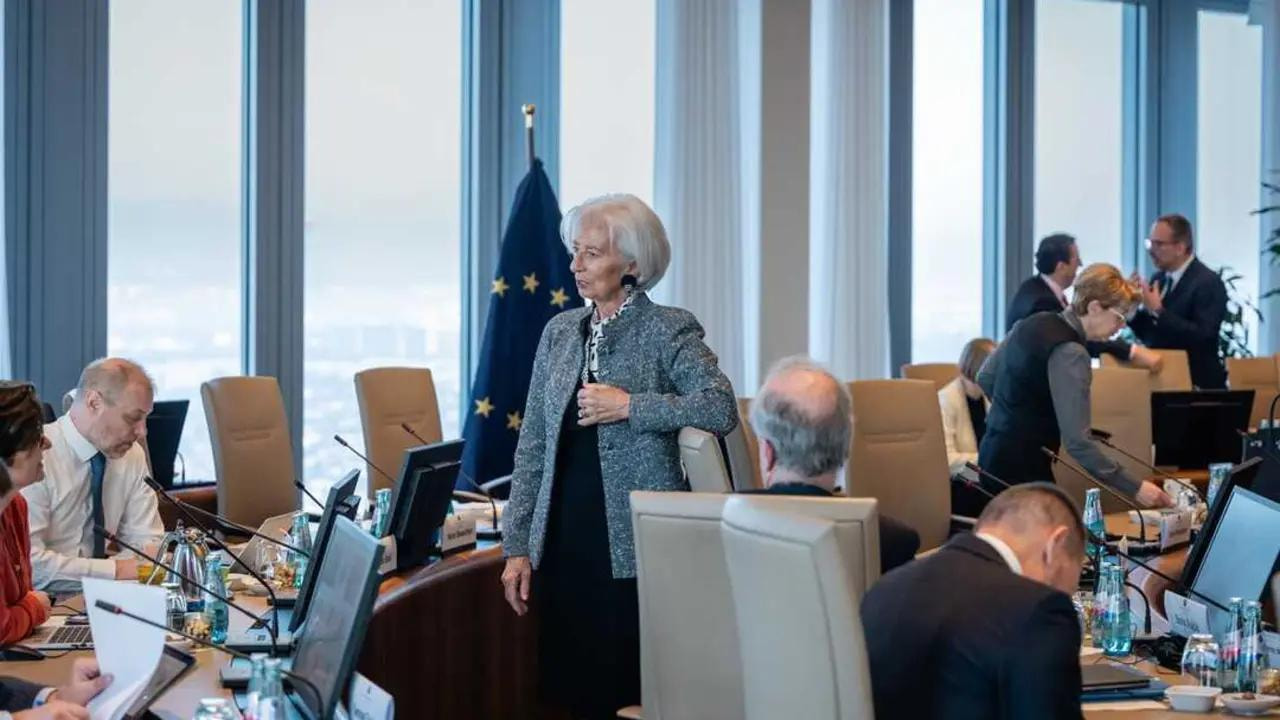
The timing sharpens the point. The European Central Bank lifted its deposit rate to 2.25 percent in June, its first increase since 2023, then chose to say nothing about where policy goes next. Christine Lagarde’s board argued that heavy uncertainty justified the silence, a stance the bank set out in its June decision.
The Fund backed that caution but widened the lens. Interest rates cannot fix a monetary union whose members still borrow on wildly different terms and whose banks still answer mainly to national supervisors. When one government wobbles, its banks wobble with it, and the doom loop that nearly broke the euro a decade ago snaps back into view.
Finishing the banking union means a common deposit insurance scheme, the promise leaders have dodged since 2015. Germany resists pooling the risk of weaker partners, while southern states resent paying for caution they never asked for. The IMF, unburdened by that politics, simply says the gap is dangerous.
Capital markets tell a similar story. European savers park trillions in low-yield deposits while promising firms cross the Atlantic to raise money in deeper American markets. Brussels rebranded its answer as the savings and investments union, yet national rulebooks still splinter the field.
Fiscal policy drew the toughest language. Several capitals spent heavily to shield households from energy prices, and the Fund wants those props withdrawn now that inflation has eased. It urged finance ministers to hold to the reformed deficit rules rather than seek fresh exemptions, warning that debt built in calm years leaves nothing in reserve for stormy ones.
The report lands as the euro area grows a sluggish 0.8 percent this year. Officials in Frankfurt and national treasuries will note the advice, nod, and mostly file it away. The deeper worry is that Europe keeps treating its monetary union as finished when the architects themselves keep pointing at the scaffolding.