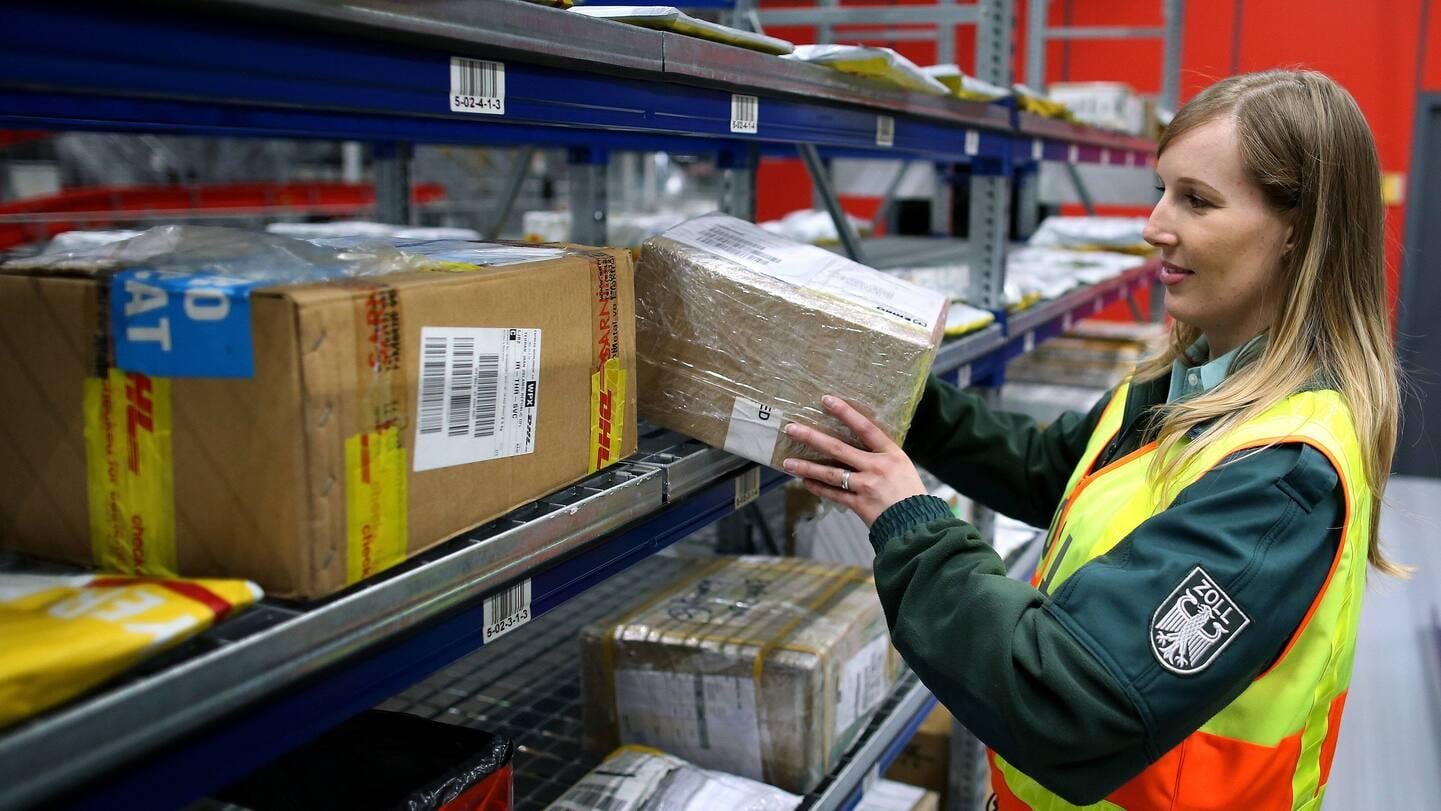
Lille: The French city chosen to host the European Union’s new customs authority has become a fitting place to watch the bloc rewire how it taxes the flood of cheap packages arriving from outside its borders. Since 1 July a flat parcel duty has applied to low-value goods, ending an exemption that let billions of small consignments slip in duty-free.
The change scraps the old rule that waived customs duty on parcels worth less than 150 euros. In its place sits a fixed charge of three euros, applied per item according to its tariff heading, on goods sold into the EU by distance selling. The Council gave the measure its final green light earlier this year, framing it as a fix for a system that had lost touch with the scale of modern e-commerce.
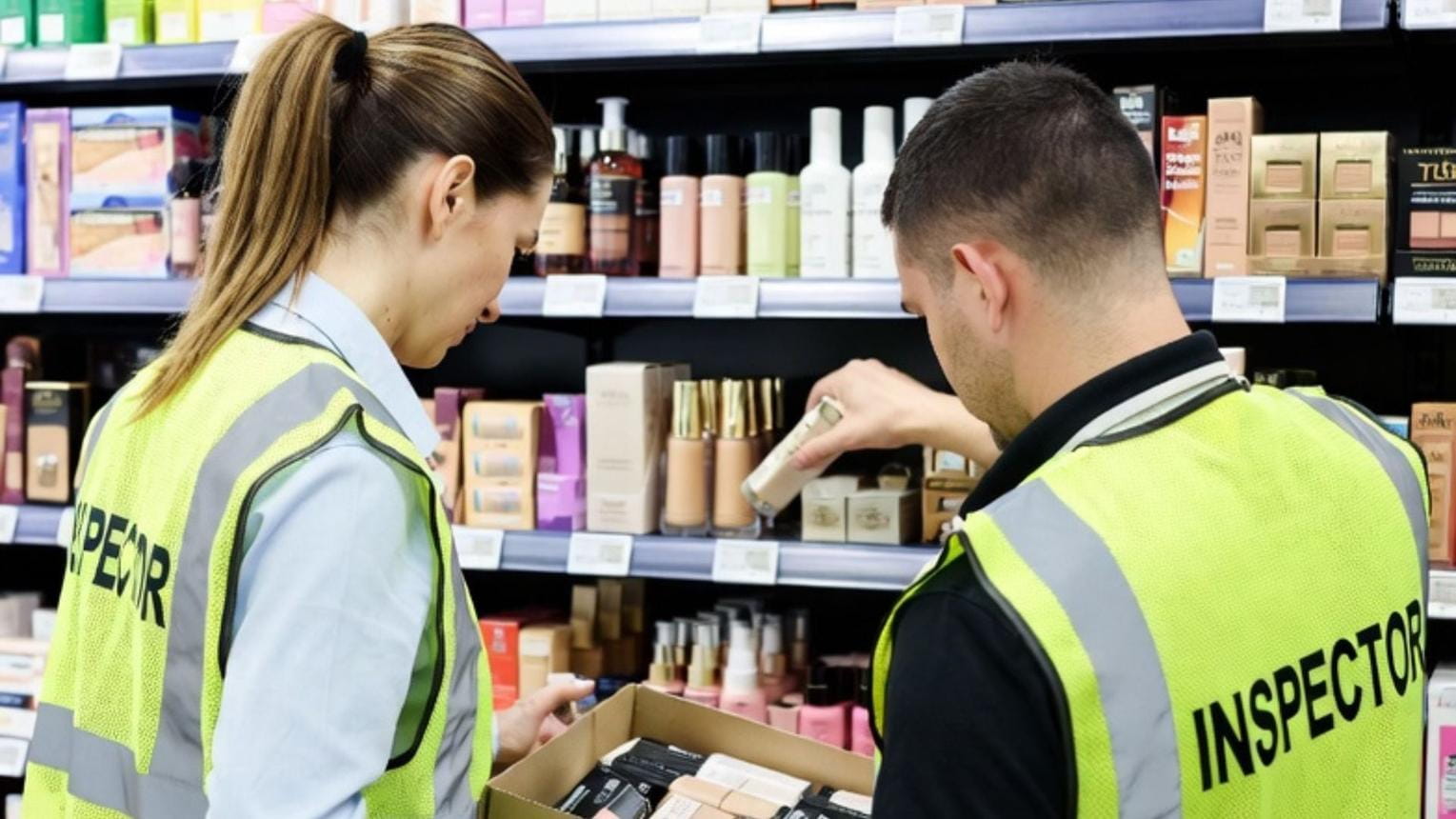
The numbers explain the urgency. The Commission says the volume of small packages entering the bloc has doubled every year since 2022, reaching some 4.6 billion in 2024 alone. Most arrive from a handful of online marketplaces, and European retailers have long argued that the duty-free treatment handed foreign sellers an unfair edge while opening the door to unsafe products and customs fraud.
A second charge waits behind the first. Member states have agreed to a separate handling fee, expected to run near two euros per tariff code, which the Commission will set by delegated act and apply no later than 1 November. Once both charges are in force, a typical small consignment could carry around five euros in combined levies, a sum that reshapes the economics of ultra-cheap cross-border shopping.
Responsibility shifts as well. Under the reform, the platforms and distance sellers that put goods on the EU market count as the importer, taking on the customs formalities and payments that once fell, in practice, on the final consumer. The Council set out the logic in its decision on small-parcel duties, part of a broader overhaul billed as the deepest change to the customs union since 1968.
That larger reform gives Lille its new tenant. The EU Customs Authority will take shape in the city over the coming year and steer a shared data hub meant to give national customs officers a single, sharper picture of what crosses the border. Full operations are not due until 2028, and the rebuilt Union Customs Code will not apply in full until the following decade.
For now, the parcel duty is the piece shoppers will notice first. Sellers must decide whether to absorb the charge, pass it on, or thin their EU offering, and consumers accustomed to near-free delivery of low-cost goods will feel the difference at checkout. The Commission’s wager is that a small levy, applied at vast scale, can rebalance a market that grew faster than the rules meant to govern it.