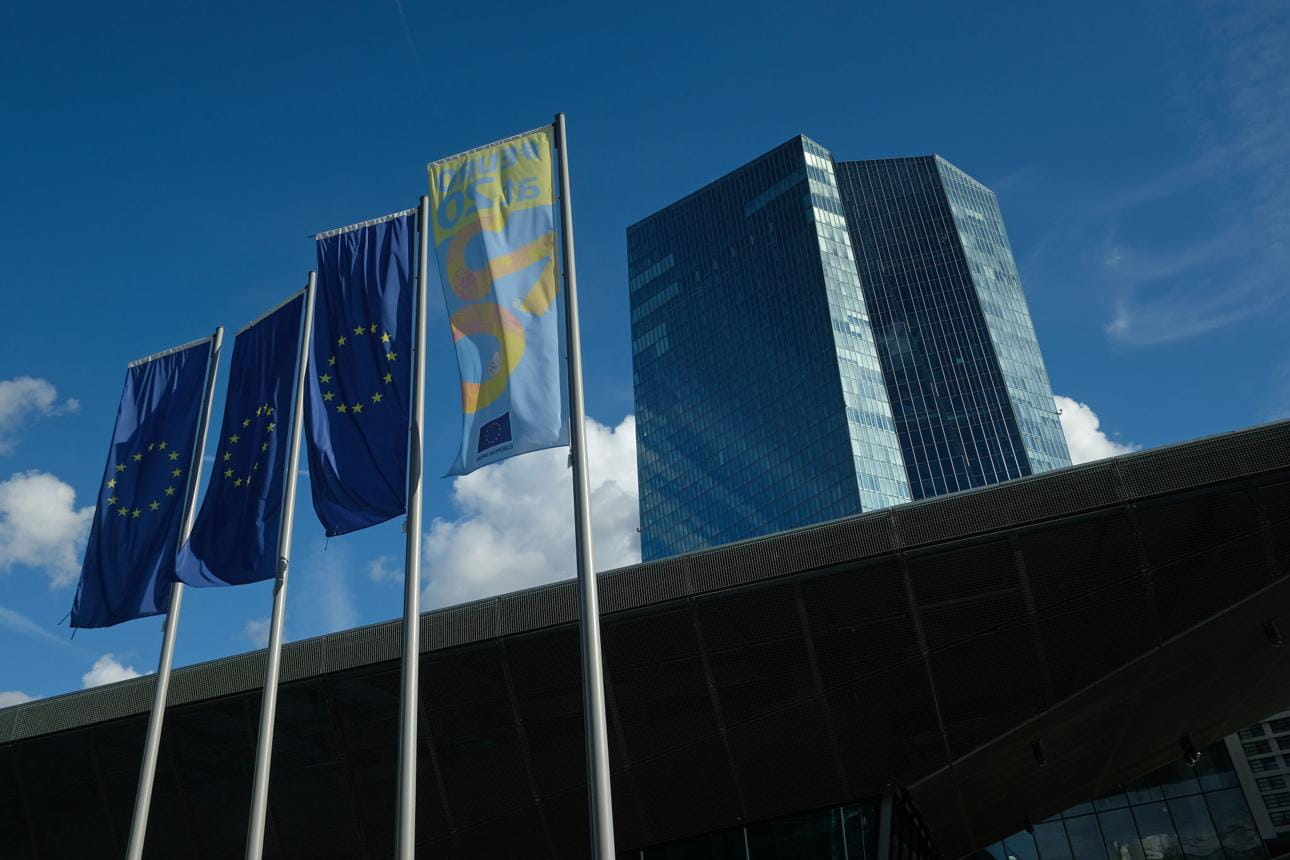
Luxembourg: The euro area kept posting modest economic growth in the spring, official figures show, as the currency bloc added another quarter of expansion despite a wobbly global backdrop.
Seasonally adjusted output rose by 0.4 percent across the twenty-member euro area between April and June compared with the previous three months, according to the EU’s statistical office. The wider twenty-seven-country union did slightly better, expanding by 0.5 percent over the same stretch.
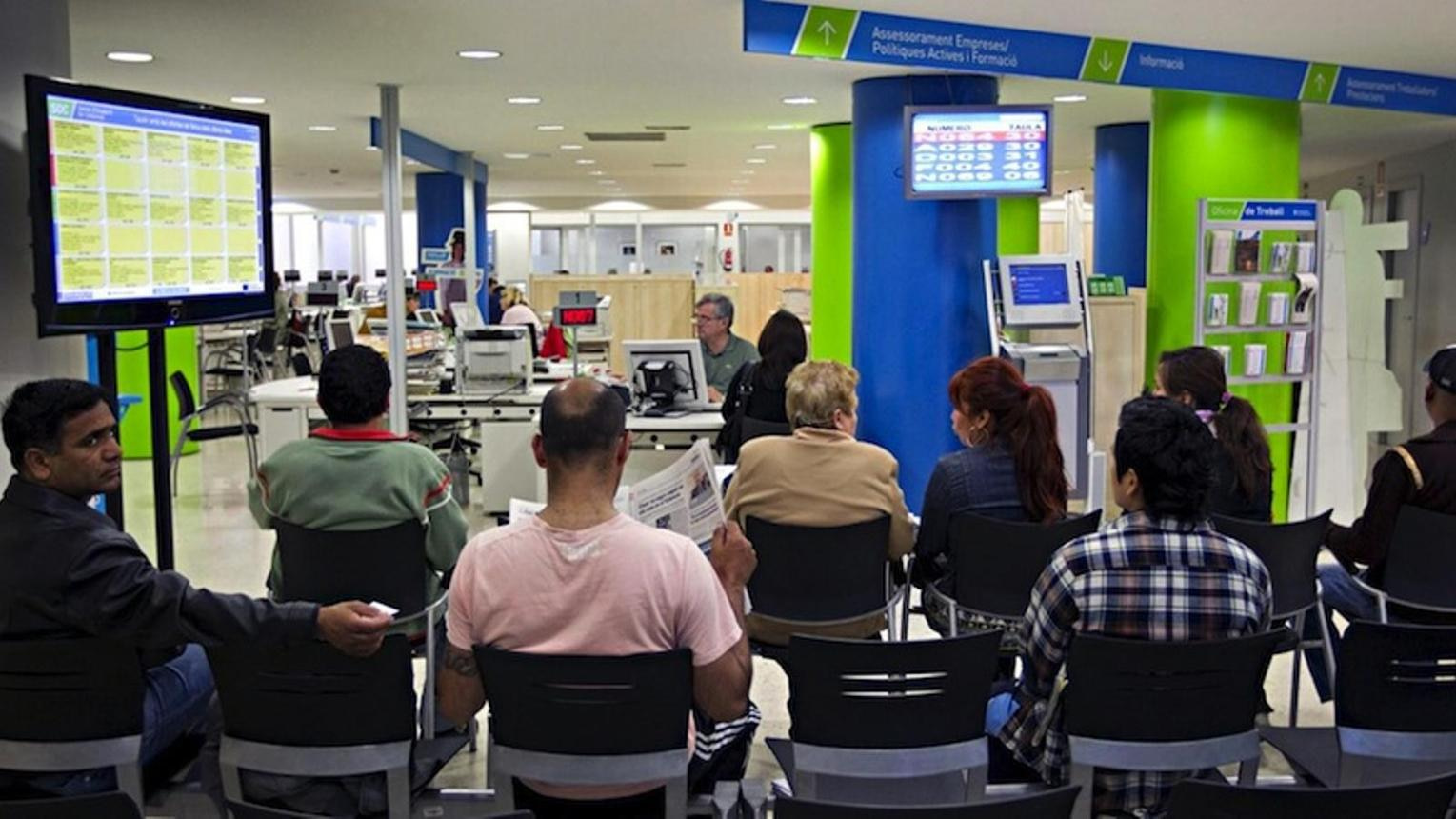
The numbers describe an economy that grinds forward rather than surges. Growth of this size keeps unemployment in check and gives governments a little room to breathe on their budgets, but it falls well short of the pace needed to close the gap with faster-growing rivals across the Atlantic and in Asia.
Recent monthly data underline the fragility. Eurostat reported that industrial production slipped in the spring and that retail volumes edged lower, signs that factories and shoppers alike are treading carefully. The economy is expanding, in other words, but not because households have thrown caution to the wind.
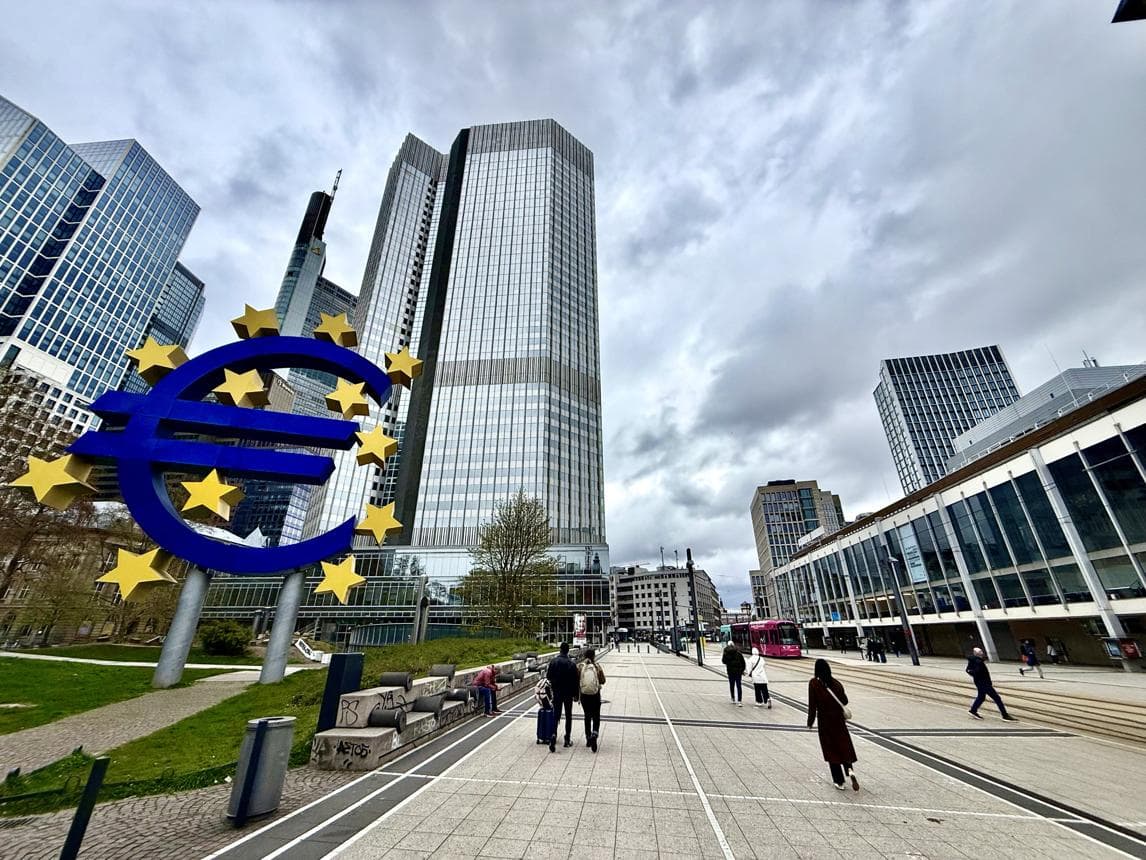
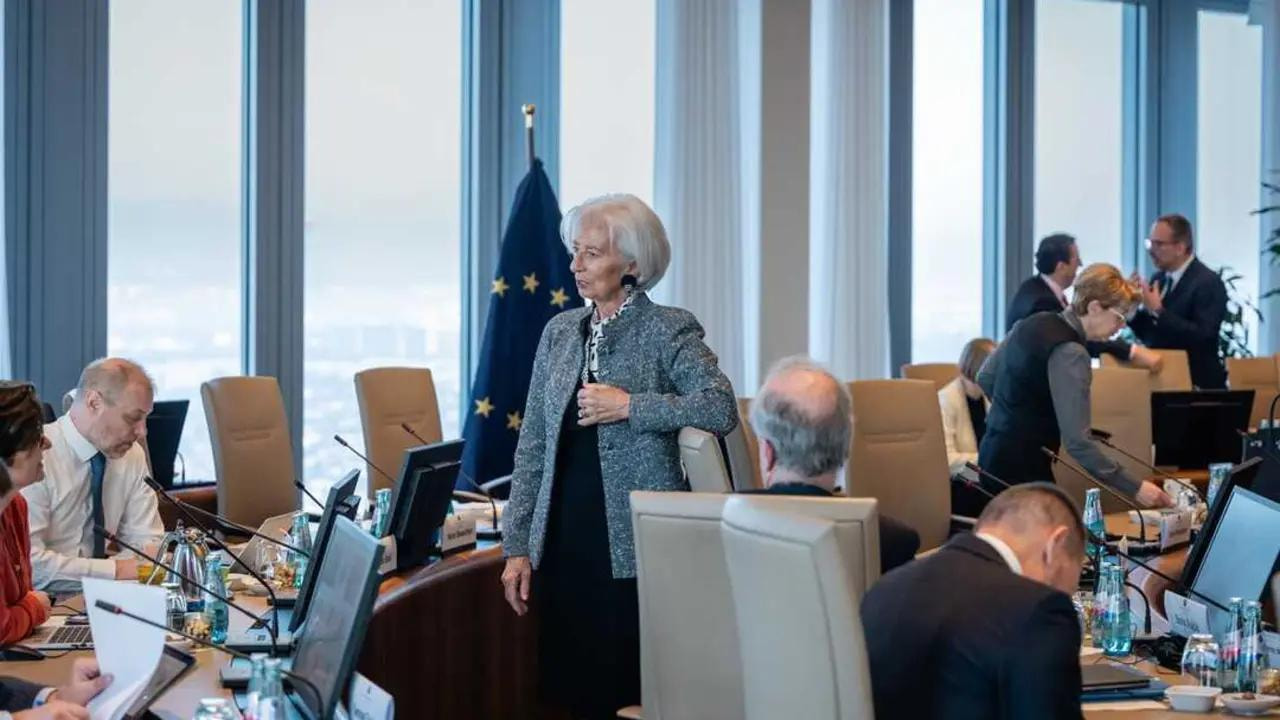
The figures feed straight into the debate at the European Central Bank. Policymakers have spent two years wrestling inflation back toward their target, and steady but unspectacular growth strengthens the case for holding rates rather than cutting aggressively. A soft landing looks plausible, though nobody in Frankfurt is declaring victory.
Analysts caution that the headline hides wide gaps between members. Some economies lean on resilient services and tourism, while others carry the weight of struggling manufacturing and weak export demand. A single euro-area average smooths over a continent that is pulling apart at the edges. The underlying releases sit in Eurostat’s euro indicators.
Trade tensions loom over the outlook. Fresh tariff threats and a fragile global order could sap demand for European goods just as the bloc tries to build momentum, and exporters from carmakers to machinery firms are watching nervously. The spring figures predate the sharpest of those risks.
Optimists point to falling inflation and the prospect of lower borrowing costs as reasons the second half could firm up. Cheaper credit tends to revive investment and big-ticket spending, and a calmer price environment leaves households with more to spend. If those forces align, the pace could pick up before the year is out.
For now, the euro area offers a study in patience. It grows, it creates jobs and it keeps inflation contained, yet it does none of these with much drama. Whether that steadiness becomes a springboard or a ceiling will hinge on trade, interest rates and the confidence of consumers who, for the moment, remain unconvinced.