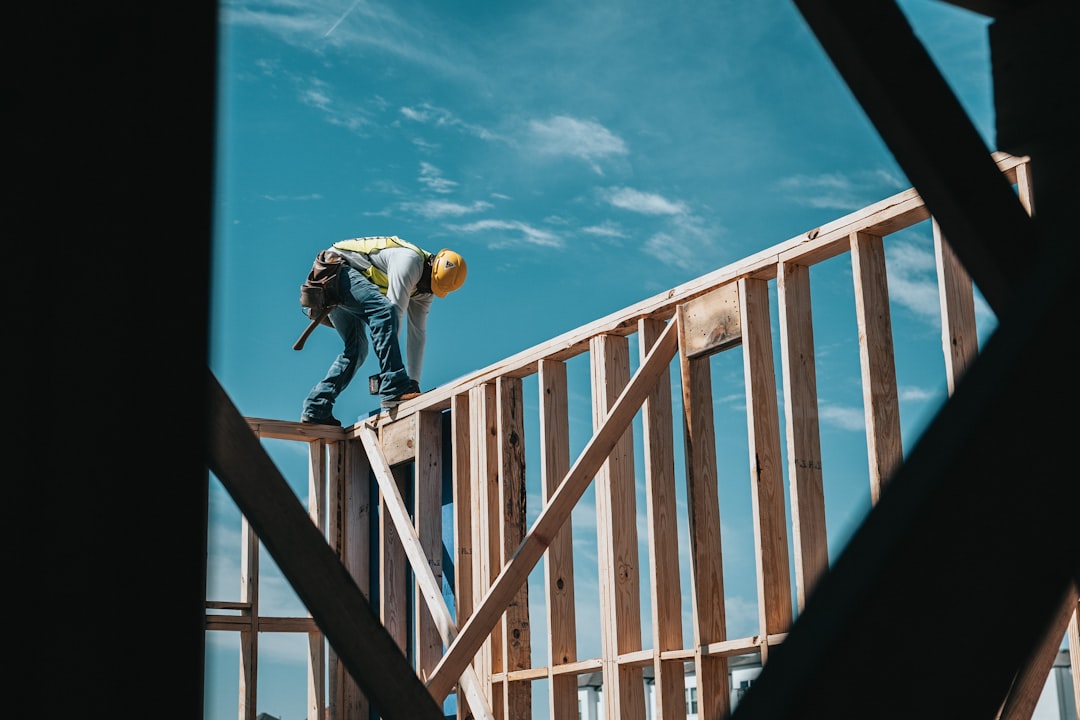
Brussels: For the first time in its history, the European Union has put its name to a continent-wide answer for a problem it long treated as a national affair. The European Affordable Housing Plan, unveiled at the end of 2025 and now moving toward its legislative centrepiece in 2026, accepts a blunt premise: housing has become unaffordable for a generation of Europeans, and no single capital can fix it alone. What remains uncertain is whether a plan built largely on coordination and investment promises can produce the one thing tenants actually need, which is more homes at prices they can pay.
The numbers framing the effort are striking. The Commission estimates an annual investment gap of roughly 150 billion euros for social and affordable housing, a shortfall it hopes to narrow through a new pan-European investment platform that blends public guarantees with private and institutional capital. More than 43 billion euros has already been mobilised for housing under the 2021 to 2027 budget, with a further 10 billion earmarked from the EU budget across 2026 and 2027 and a far larger sum expected from partner financial institutions later in the decade. On paper the firepower is considerable. In practice, money has rarely been the binding constraint in European housing markets, where planning permission, construction capacity and land prices do most of the damage.
The plan is organised around four strands. The first targets supply through a strategy for housing construction that leans heavily on modular and offsite building methods, digital design and more efficient use of materials, in the hope of bringing down both cost and build times. The second mobilises investment. The third tackles market distortion, most notably a planned legislative initiative on short-term rentals, the platform-driven lettings that have hollowed out the long-term rental stock in tourist-heavy cities. The fourth focuses on those hit hardest, including a pilot guarantee scheme to reduce or remove rental deposits for young people, students and trainees, alongside support for essential workers priced out of the communities they serve.
Each strand reflects a real diagnosis, yet each also exposes the limits of EU competence. Housing policy sits squarely with member states and, in most countries, with regions and cities below them. Brussels can convene, co-finance and regulate around the edges of the single market, but it cannot rezone a neighbourhood, accelerate a municipal permit or train the bricklayers a building site needs. The construction sector across much of Europe is already short of labour, and modular methods, however promising, remain a small share of output. A strategy that assumes industrialised building will scale quickly is making a bet, not stating a certainty.
The short-term rental measure is where the EU can most plausibly move the needle, because it touches cross-border platforms that are difficult for any one city to govern. Even there, the politics are delicate, balancing the tourism revenue that many regions depend on against residents who can no longer find a year-round lease. The deposit guarantee, meanwhile, is a welcome signal to younger renters, but a guarantee lowers the barrier to a tenancy without lowering the rent itself.
The plan’s most genuinely novel feature may be its governance. A first-ever EU summit of heads of state or government dedicated to housing is due in 2026, launching a European Housing Alliance that brings together cities, regions, national governments and the EU institutions. The value of such a forum is not symbolic alone. Housing failures usually stem from misaligned incentives across levels of government, and a standing body that keeps leaders accountable to shared targets could outlast any single funding cycle.
The honest assessment is that the Affordable Housing Plan is a serious opening move rather than a solution. It assembles money, sets up institutions and signals political will on an issue that helped drive voter discontent across the last electoral cycle. Whether it lowers rents will depend on decisions taken far from Brussels, in planning offices and on construction sites, over a horizon measured in years. The EU has finally written a housing plan. The homes are the harder part.