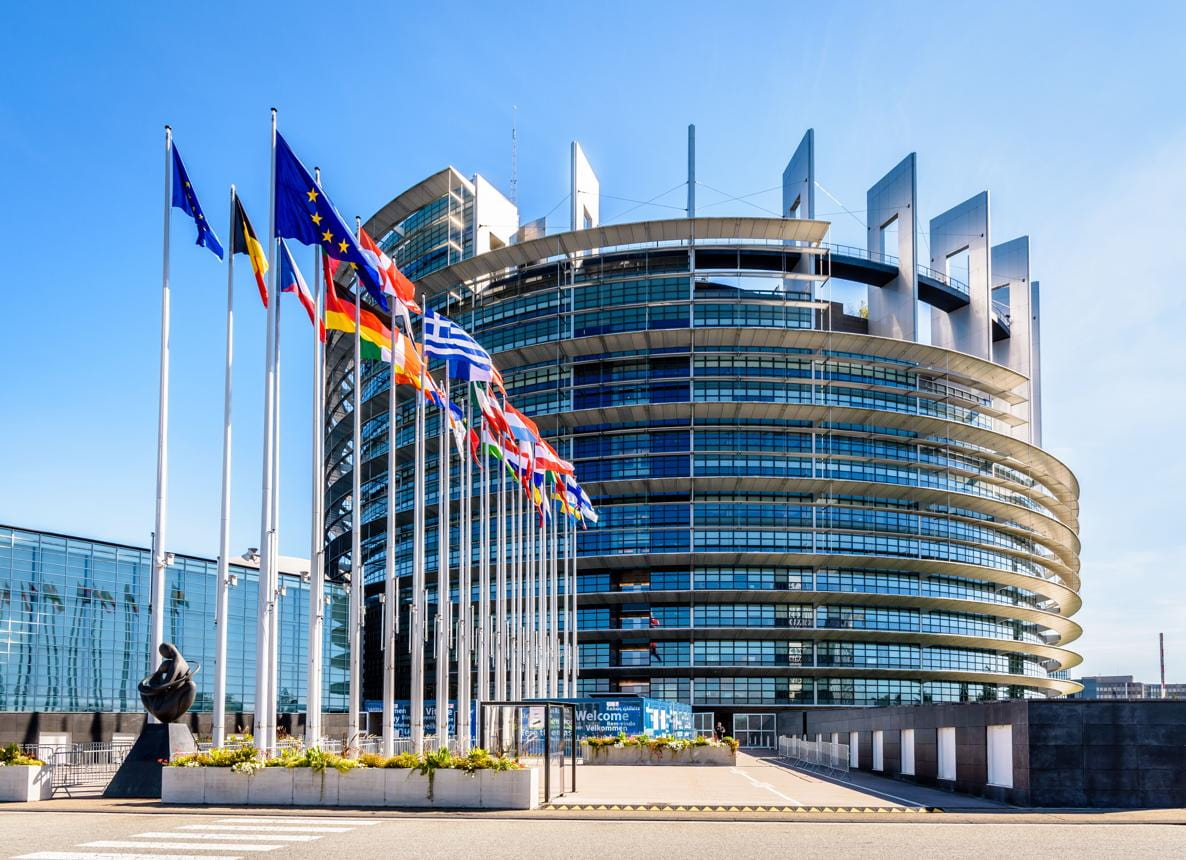
Strasbourg: The European Parliament pushed the digital euro a decisive step closer this week, as MEPs prepared to lock in their negotiating mandate at the July plenary session following the Economic and Monetary Affairs Committee’s approval of the landmark regulation on 23 June 2026. The digital euro would give the European Central Bank a public form of digital money to sit alongside cash, and lawmakers backed the text by 43 votes to 14 with one abstention.
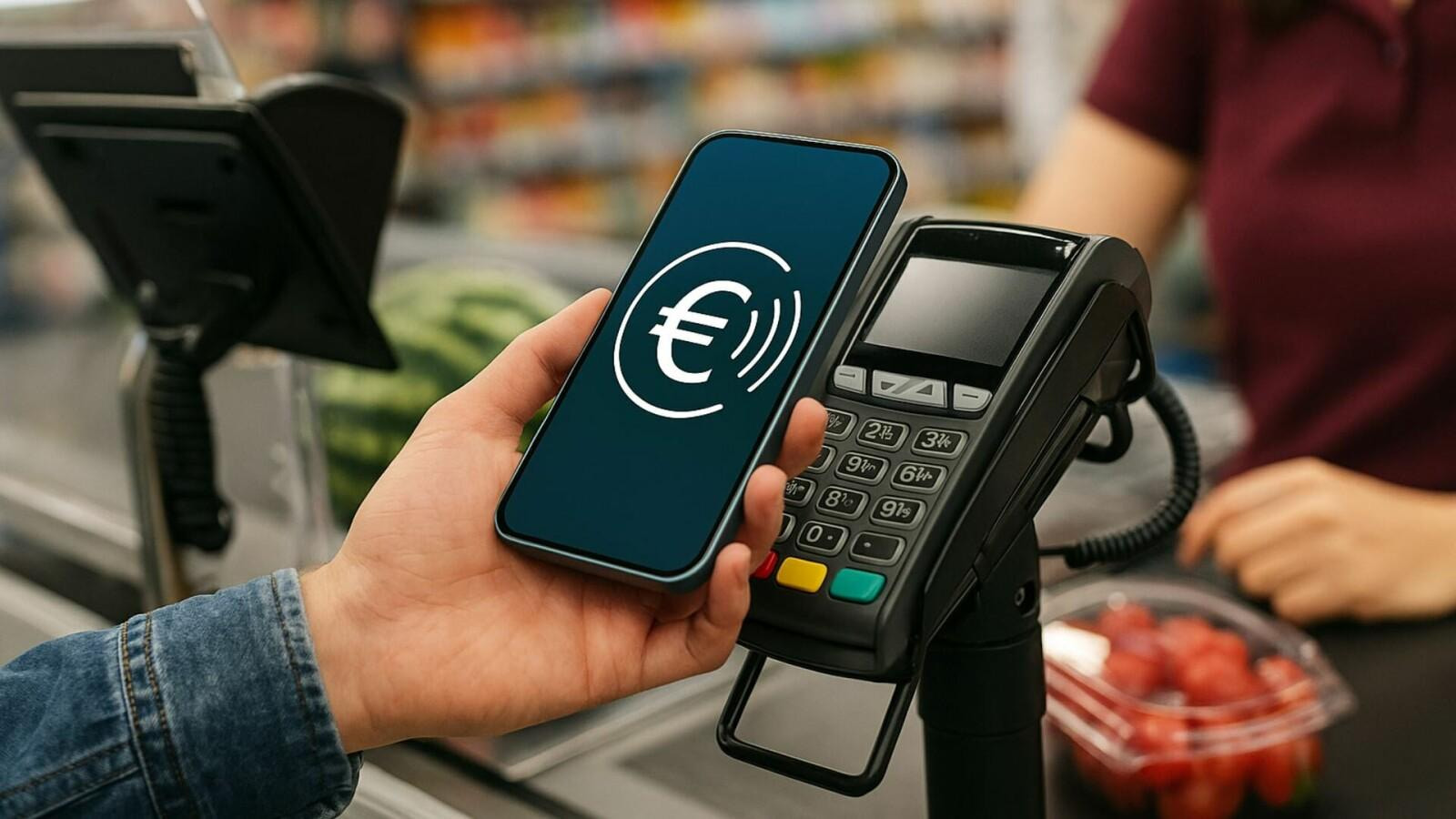
The digital euro is designed as central bank money that consumers could hold in a dedicated wallet, spend online and offline, and use even without an internet connection. Supporters cast it as a tool for Europe’s strategic autonomy, pointing out that the American giants Visa and Mastercard handle roughly 61% of card payments across the euro area.
MEPs attached firm guardrails to the plan. Individual holdings would be capped to stop deposits draining out of commercial banks during a crisis, offline payments would carry cash-like privacy, and the ECB would run a twelve-month pilot with selected merchants and payment providers before any wider launch aimed at 2029.
“The digital euro is about ensuring Europeans keep access to central bank money in an increasingly digital economy, and about protecting the sovereignty of our payments,” the European Central Bank said in setting out the case for the project.
The committee vote hands Parliament a common position for the trilogue talks that must now follow with the Council, where the euro area’s finance ministries will weigh in. Negotiators from the two institutions and the Commission are aiming to strike a final deal before the end of 2026, though the holding limit and the split of costs between banks and the public purse remain contested.
Banks have lobbied hard over the design, warning that a generous wallet cap could accelerate outflows of retail deposits. Consumer groups counter that a low limit would blunt the currency’s usefulness. Parliament’s text tries to thread that needle by letting the ECB calibrate the ceiling once the system is live.
The project has a long lineage. The Commission first tabled its digital euro proposal in June 2023, framing it as the retail complement to a wider push for European payment sovereignty after years of dependence on foreign card networks and, more recently, dollar-backed stablecoins. The ECB has run preparatory work in parallel, testing settlement models and privacy safeguards.
Under the timetable now taking shape, a political agreement this autumn would let the ECB take a formal issuance decision, followed by the pilot and a phased rollout. You can read the committee’s reasoning in the coverage of the vote and track the file’s progress through the institutions.
- Committee vote: 43 in favour, 14 against, 1 abstention on 23 June 2026.
- Target for online and offline use: 2029, after a 12-month pilot.
- Visa and Mastercard share of euro-area card payments: about 61%.
Further detail is available from the European Parliament’s backing of the digital euro and the Parliament’s own legislative train file on the digital euro, with technical background set out by the European Central Bank.