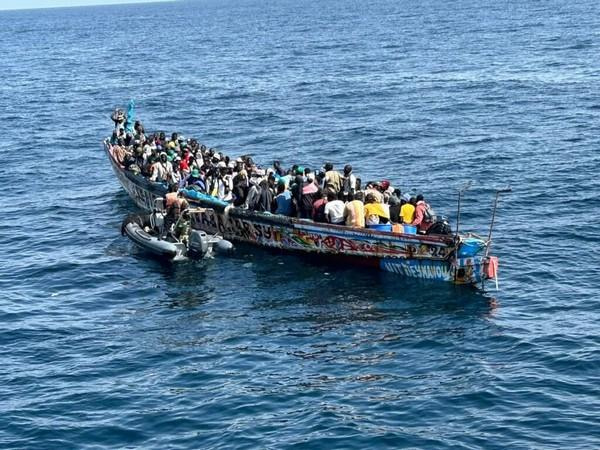
Cairo: The communiqué that closed the eleventh EU-Egypt Association Council in Luxembourg on 15 June read like a model of partnership, with legal migration pathways, action on the root causes of irregular departure, stronger border management, and the dignified return of those with no right to stay. Behind the careful phrasing sits one of the European Union’s most uncomfortable bargains: Brussels is paying Cairo, generously and repeatedly, to keep people from reaching Europe’s shores.
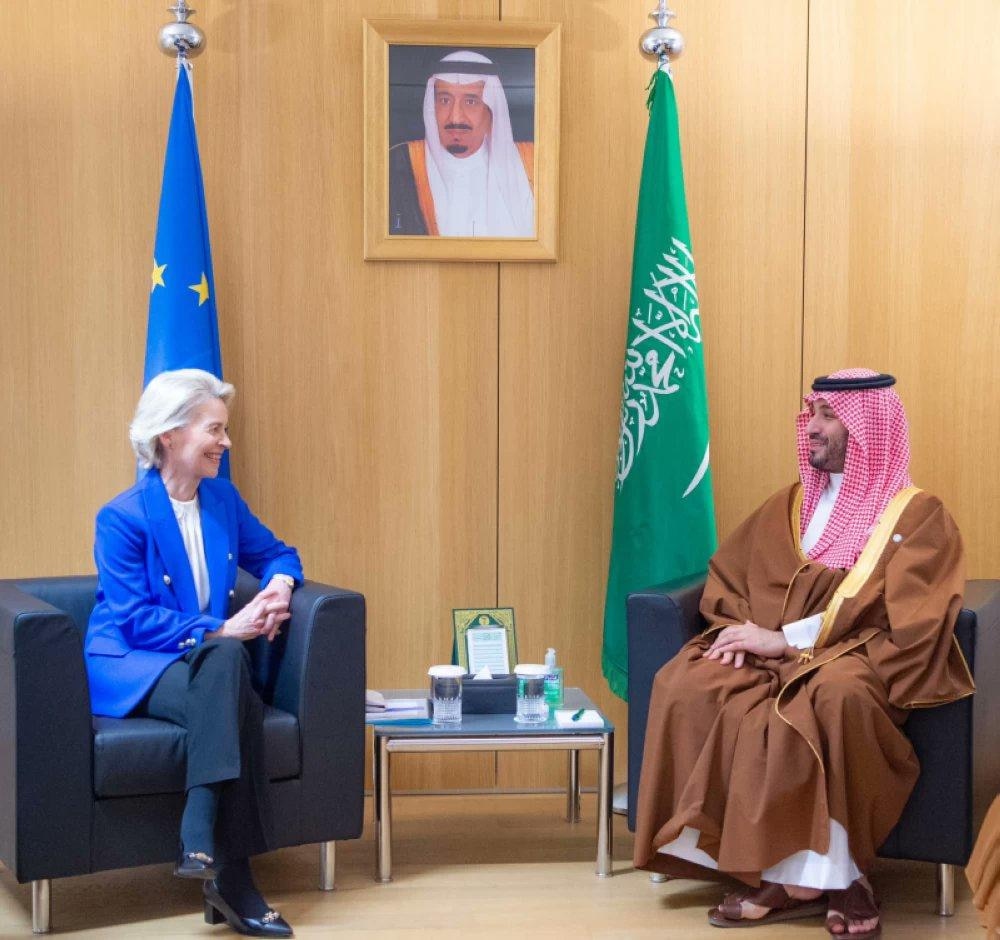
The meeting, co-chaired by EU foreign policy chief Kaja Kallas and Egyptian foreign minister Badr Abdelatty, was meant to showcase the Strategic and Comprehensive Partnership the two sides upgraded last year. In practice it exposed a relationship defined less by shared values than by mutual need. Egypt, wrestling with a battered currency and heavy external debt, wants cash and investment. Europe, anxious about a central Mediterranean route that runs past a destabilised Libya next door, wants Egypt to act as a wall.
The numbers are substantial. The EU has committed billions in macro-financial assistance and investment tied, explicitly or otherwise, to migration management. Yet the striking feature of recent months is Cairo’s confidence in asking for more. Egyptian officials have signalled that the sums on the table do not match the burden the country carries, pointing to the millions of refugees and migrants it already hosts from Sudan, Syria and the Horn of Africa. It is an unusual posture for a supposed junior partner, and it reveals how the leverage actually flows.
That asymmetry should trouble European capitals. When a partner government grasps that its main value to Brussels is its willingness to stop migrants, it gains a recurring claim on European money and a near-veto over European criticism. Human rights organisations have catalogued the consequences, from arbitrary detention to pushbacks at the southern border, alongside a deepening reluctance in Brussels to speak plainly about Egypt’s domestic repression. The phrase “Fortress Egypt” has entered the vocabulary of the EU’s own critics for a reason.
Defenders of the approach make a hard-nosed case. Geography, they argue, leaves Europe little choice, because the alternative to managed cooperation with imperfect neighbours is unmanaged arrivals that feed the very populism threatening the Union’s cohesion. Egypt has, by most accounts, kept its own coastline quiet, and a stable Egypt of more than a hundred million people is a strategic asset in a volatile region. Conditionality, on this reading, is not complicity but realism.
The harder question is what Europe is buying over the long run. Payments framed as emergency migration management have a habit of becoming permanent subsidies, immune to review because no government wants to test what happens if they stop. The new Pact for the Mediterranean, under which the Egypt deal now sits, promises a more rounded relationship spanning trade, energy and climate. Whether it dilutes the migration fixation or merely dresses it in broader language will determine if the partnership is strategic or simply transactional.
For now, the direction of travel is clear. Brussels has decided that the southern Mediterranean is a frontier to be policed by proxy, and Cairo has decided that policing it is a service worth charging for. The June council renewed the arrangement without resolving its central tension. Europe wants migration control and democratic credibility in the same package; Egypt is offering the first and quietly raising the price. Until the EU can say what it will not pay for, it will keep discovering that the bill rises faster than the leverage.