August 10, 2026
LATEST
Five Joint Defence Projects Launch Europe’s Military ShieldElectrification Plan Aims to Make Europe First Electro ContinentHorizon Europe Budget Fight Heats Up as Ministers Push BackGoogle’s DMA Fine Sets Off a Transatlantic Tariff ClashTwenty New University Alliances Join Erasmus for Two YearsForeign Subsidies Case Puts Temu in the EU’s SightsVan Tachographs Now Mandatory for Cross-Border FleetsStress Test Exposes Gaps in Euro Area Bank DefencesEurope Bets on a Gulf Partnership Before the Riyadh SummitWhy the Atlantic Route Now Runs Through MauritaniaKyiv and Chisinau Advance as the EU Accession Talks Gather PaceEurope’s New Digital Border System Beds In After a Rocky RolloutBrussels Mounts Its Largest Wildfire Response as the Fires SpreadRetail Spending Slipped in June, Wrong-Footing EconomistsHeatwave Warning Puts Brussels on Alert for Vulnerable GroupsKANAL’s 230 Million Euro Museum Sets a November Opening DatePension Savings Rules Get a Reset as the EU Scraps the 1% CapMedicine Shortages Move to the Heart of Europe’s Pharma ResetJapan Becomes Europe’s Closest Security Partner in AsiaCan Europe’s New Zealand Deal Anchor It in the Pacific?Five Joint Defence Projects Launch Europe’s Military ShieldElectrification Plan Aims to Make Europe First Electro ContinentHorizon Europe Budget Fight Heats Up as Ministers Push BackGoogle’s DMA Fine Sets Off a Transatlantic Tariff ClashTwenty New University Alliances Join Erasmus for Two YearsForeign Subsidies Case Puts Temu in the EU’s SightsVan Tachographs Now Mandatory for Cross-Border FleetsStress Test Exposes Gaps in Euro Area Bank DefencesEurope Bets on a Gulf Partnership Before the Riyadh SummitWhy the Atlantic Route Now Runs Through MauritaniaKyiv and Chisinau Advance as the EU Accession Talks Gather PaceEurope’s New Digital Border System Beds In After a Rocky RolloutBrussels Mounts Its Largest Wildfire Response as the Fires SpreadRetail Spending Slipped in June, Wrong-Footing EconomistsHeatwave Warning Puts Brussels on Alert for Vulnerable GroupsKANAL’s 230 Million Euro Museum Sets a November Opening DatePension Savings Rules Get a Reset as the EU Scraps the 1% CapMedicine Shortages Move to the Heart of Europe’s Pharma ResetJapan Becomes Europe’s Closest Security Partner in AsiaCan Europe’s New Zealand Deal Anchor It in the Pacific?
August 10, 2026
LATEST
Five Joint Defence Projects Launch Europe’s Military ShieldElectrification Plan Aims to Make Europe First Electro ContinentHorizon Europe Budget Fight Heats Up as Ministers Push BackGoogle’s DMA Fine Sets Off a Transatlantic Tariff ClashTwenty New University Alliances Join Erasmus for Two YearsForeign Subsidies Case Puts Temu in the EU’s SightsVan Tachographs Now Mandatory for Cross-Border FleetsStress Test Exposes Gaps in Euro Area Bank DefencesEurope Bets on a Gulf Partnership Before the Riyadh SummitWhy the Atlantic Route Now Runs Through MauritaniaKyiv and Chisinau Advance as the EU Accession Talks Gather PaceEurope’s New Digital Border System Beds In After a Rocky RolloutBrussels Mounts Its Largest Wildfire Response as the Fires SpreadRetail Spending Slipped in June, Wrong-Footing EconomistsHeatwave Warning Puts Brussels on Alert for Vulnerable GroupsKANAL’s 230 Million Euro Museum Sets a November Opening DatePension Savings Rules Get a Reset as the EU Scraps the 1% CapMedicine Shortages Move to the Heart of Europe’s Pharma ResetJapan Becomes Europe’s Closest Security Partner in AsiaCan Europe’s New Zealand Deal Anchor It in the Pacific?Five Joint Defence Projects Launch Europe’s Military ShieldElectrification Plan Aims to Make Europe First Electro ContinentHorizon Europe Budget Fight Heats Up as Ministers Push BackGoogle’s DMA Fine Sets Off a Transatlantic Tariff ClashTwenty New University Alliances Join Erasmus for Two YearsForeign Subsidies Case Puts Temu in the EU’s SightsVan Tachographs Now Mandatory for Cross-Border FleetsStress Test Exposes Gaps in Euro Area Bank DefencesEurope Bets on a Gulf Partnership Before the Riyadh SummitWhy the Atlantic Route Now Runs Through MauritaniaKyiv and Chisinau Advance as the EU Accession Talks Gather PaceEurope’s New Digital Border System Beds In After a Rocky RolloutBrussels Mounts Its Largest Wildfire Response as the Fires SpreadRetail Spending Slipped in June, Wrong-Footing EconomistsHeatwave Warning Puts Brussels on Alert for Vulnerable GroupsKANAL’s 230 Million Euro Museum Sets a November Opening DatePension Savings Rules Get a Reset as the EU Scraps the 1% CapMedicine Shortages Move to the Heart of Europe’s Pharma ResetJapan Becomes Europe’s Closest Security Partner in AsiaCan Europe’s New Zealand Deal Anchor It in the Pacific?

Europe’s Mercosur Deal Runs Into Its Own Legal Machinery

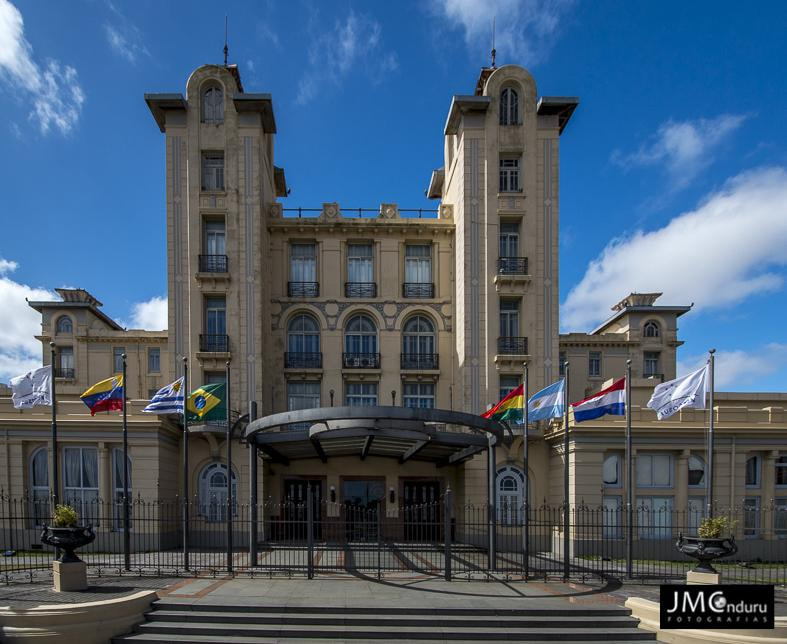
Montevideo: The European Union spent a quarter of a century negotiating a trade pact with South America’s Mercosur bloc, and having finally begun to apply it, Brussels now finds the finish line moving further away. The interim trade agreement has been in provisional force since 1 May 2026, tariffs on a first tranche of goods already falling. Yet the broader partnership agreement, the instrument that carries the political weight, still awaits ratification, and the European Parliament has asked the Court of Justice whether the whole construction is even compatible with the EU treaties. That request freezes the Parliament’s own approval for somewhere between sixteen and eighteen months.

The manoeuvre is revealing. Argentina, Brazil and Paraguay pushed the deal through their legislatures within weeks of each other in early 2026; the friction sits entirely on the European side. By splitting the package into an interim trade component under exclusive EU competence and a mixed partnership agreement requiring every national parliament to sign, the Commission built a mechanism that lets commerce begin while the politics is fought out. It is an elegant piece of legal engineering, and also an admission that unanimity among twenty-seven capitals on anything touching farmers has become close to unreachable.

French resistance remains the loudest, framed around beef, poultry and the fear that Brazilian producers operating under looser environmental and animal-welfare rules will undercut European farms. Brussels has answered with safeguard clauses and a promise to suspend concessions if imports surge, but such reassurances have rarely calmed a farm lobby that reads every trade opening as a threat. The referral to Luxembourg gives reluctant governments political cover: they can defer a painful vote and blame the judges for the delay.

What is genuinely at stake is larger than agricultural quotas. Mercosur is a market of roughly 270 million people and a supplier of the lithium, iron ore and beef that Europe either needs or consumes in volume. In a decade defined by the search for partners who are neither China nor an increasingly transactional United States, a durable link to South America is a strategic asset, not merely a commercial one. Every month the ratification drifts is a month in which Beijing, already the dominant buyer across the region, deepens its own foothold.

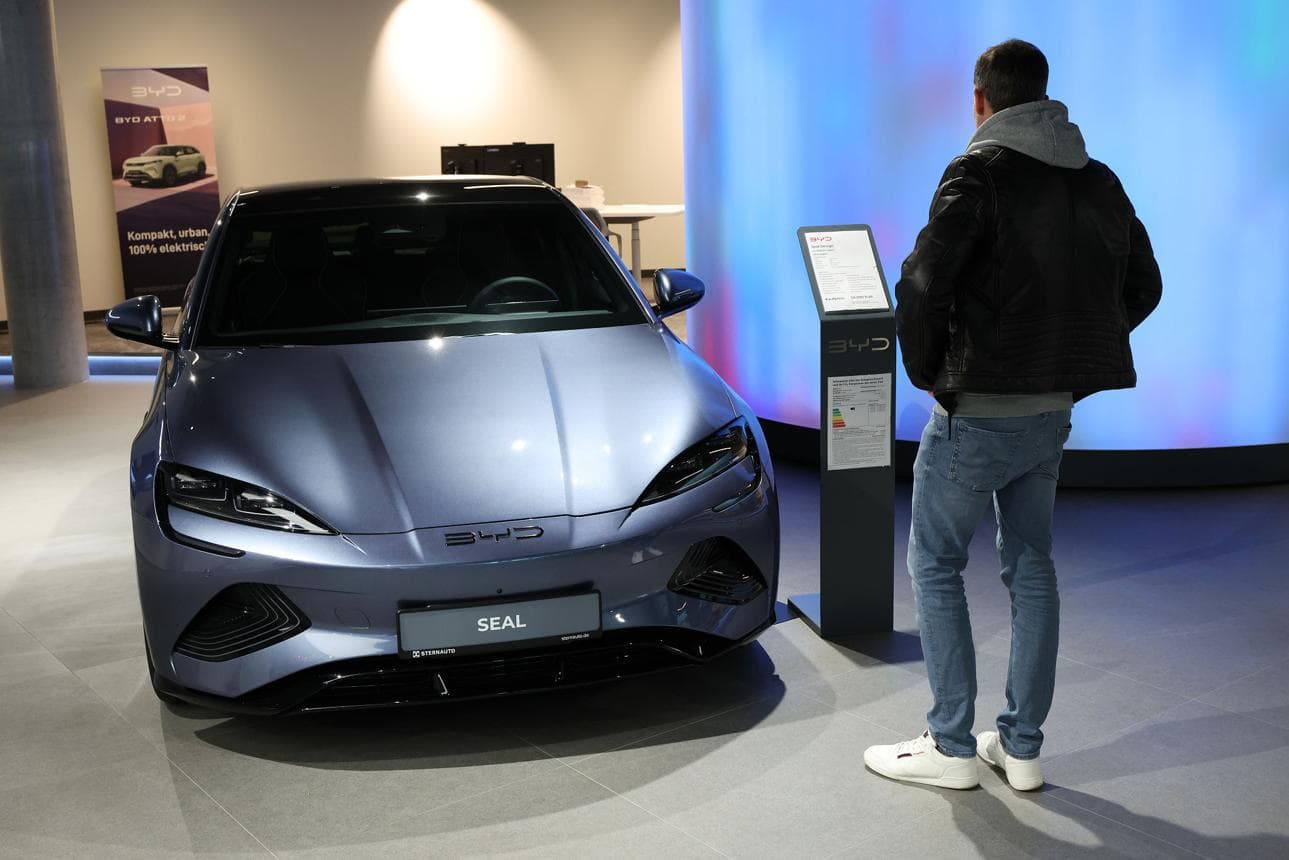
The provisional application buys time and delivers early gains for exporters of cars, machinery and wine. But provisional is not permanent, and businesses on both sides know that an agreement resting on a court opinion and a suspended vote is an agreement that can still unravel. The Commission has bet that once trade flows and the benefits become visible, the politics will follow. It is a reasonable wager. It is also a reminder that the Union’s hardest negotiations are increasingly the ones it holds with itself.

For all the talk of Europe as a geopolitical actor, the Mercosur saga shows how much of its external ambition still hinges on internal plumbing. The deal will most likely survive; the court is expected to bless the architecture, and the economic logic is too strong to discard. But the episode leaves a lesson Brussels would rather not learn again: signing is the easy part.