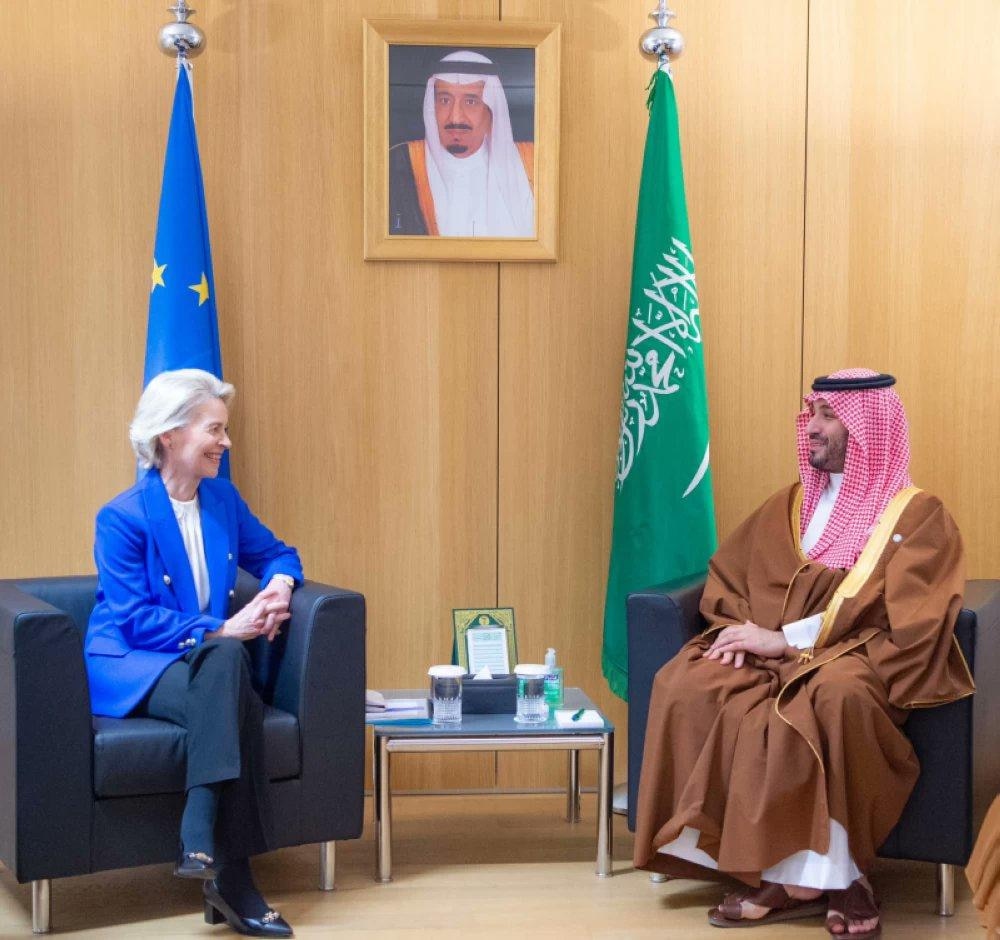
Hanoi: Vietnam’s promotion to Comprehensive Strategic Partner of the European Union, formalised at the end of January and reinforced at the EU-Vietnam Global Gateway Business and Investment Forum in March, has now translated into a working programme that places Hanoi at the centre of Brussels’ technological diversification agenda. The new framework is the highest tier of European partnership and Vietnam is the first member of ASEAN to occupy it, an unmistakable signal of how the bloc reads the shifting geometry of Asian supply chains.
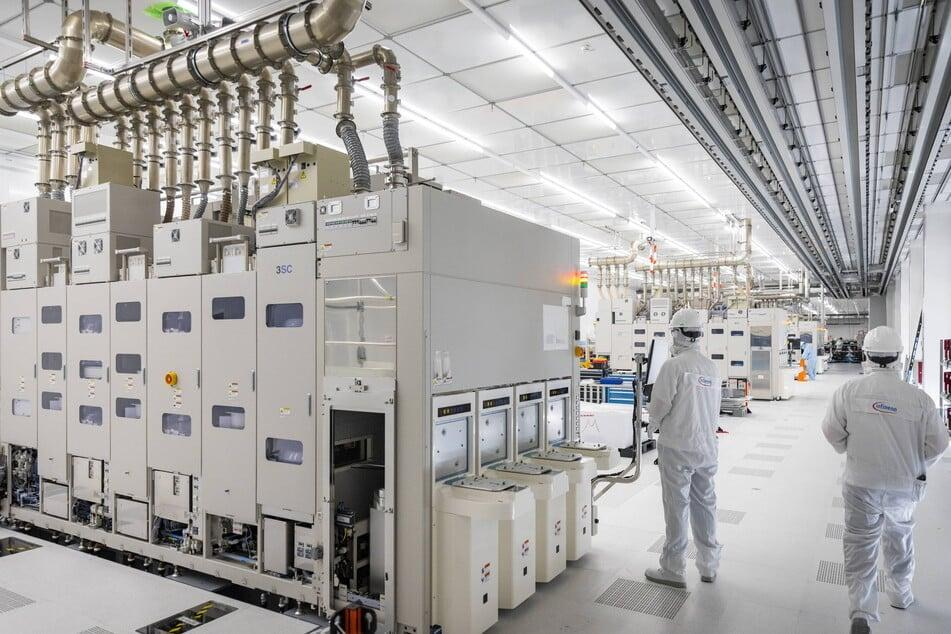
The most consequential strand of the partnership concerns semiconductors. Vietnam has spent five years quietly building out chip assembly, packaging and testing capacity in the industrial corridors around Hai Phong and the southern Dong Nai cluster, hosting expansions from Intel, Amkor Technology and a growing roster of Taiwanese and Korean second-source players. The first domestic production facility broke ground earlier this year. European optics and lithography suppliers, including ASML at the cutting edge and several specialty equipment vendors at lower nodes, are now expanding sales channels and service footprints in country. The political utility for Brussels is that Vietnam offers a non-China node for downstream packaging where European chips can be assembled, tested and shipped without exposure to a single jurisdictional point of failure.
The second strand concerns critical raw materials. Vietnam holds the world’s second-largest estimated reserves of rare earth elements after China, alongside meaningful deposits of gallium, tungsten and ilmenite. The Union has spent the last two years methodically courting suppliers other than Beijing, with framework agreements concluded across several geographies. The Vietnamese addition is qualitatively different. Hanoi has the scale to matter and the proximity to Asian downstream processors that European magnet manufacturers, electric vehicle makers and wind turbine producers need if they are to operate at industrial volume rather than at pilot scale. Joint investment in midstream refining is the new diplomatic priority and several European venture funds and development banks are in discussions on capital structures that would underwrite the build-out.
The third strand is trusted digital infrastructure. The Joint Declaration committed both parties to cooperation on what Brussels has labelled trusted communications, an explicit echo of the bloc’s hardening posture toward incumbent vendors of Chinese origin. The trusted formulation covers fifth-generation wireless, undersea cable architecture, satellite connectivity and the artificial intelligence layer that increasingly sits on top of these. Vietnamese carriers, until recently substantial buyers of equipment from Chinese telecoms vendors, are now under quiet pressure to diversify their core network suppliers and have begun pilot deployments with Ericsson and Nokia at scale.
The geopolitical envelope around these technical strands is unavoidable. Hanoi conducts an intricate balancing act between Beijing, Washington and Brussels and has no appetite for explicit alignment. Vietnamese officials repeatedly note that the partnership with Europe is presented to the Vietnamese public in commercial and developmental rather than security-bloc terms. That framing has practical consequences. Cooperation will move fastest in areas with clear economic logic, more slowly in areas that resemble bloc politics. The European concession in the talks was to keep human rights conditionality out of the headline architecture and to address it through dedicated dialogue tracks rather than as a precondition for cooperation. That choice has drawn criticism from European parliamentarians and civil society organisations but has unlocked the breadth of the deal.
The next twelve months will reveal whether the partnership produces concrete results or settles into the cycle of ceremonial visits that has characterised many European Asian relationships. Early implementation signals are positive. The diplomatic capital invested is real. Vietnam now sits inside the working machinery of Europe’s resilience strategy, and the rare-earth-and-chip arithmetic will largely decide whether the relationship matures into a structural pillar or remains a high-tier label.