August 10, 2026
LATEST
Five Joint Defence Projects Launch Europe’s Military ShieldElectrification Plan Aims to Make Europe First Electro ContinentHorizon Europe Budget Fight Heats Up as Ministers Push BackGoogle’s DMA Fine Sets Off a Transatlantic Tariff ClashTwenty New University Alliances Join Erasmus for Two YearsForeign Subsidies Case Puts Temu in the EU’s SightsVan Tachographs Now Mandatory for Cross-Border FleetsStress Test Exposes Gaps in Euro Area Bank DefencesEurope Bets on a Gulf Partnership Before the Riyadh SummitWhy the Atlantic Route Now Runs Through MauritaniaKyiv and Chisinau Advance as the EU Accession Talks Gather PaceEurope’s New Digital Border System Beds In After a Rocky RolloutBrussels Mounts Its Largest Wildfire Response as the Fires SpreadRetail Spending Slipped in June, Wrong-Footing EconomistsHeatwave Warning Puts Brussels on Alert for Vulnerable GroupsKANAL’s 230 Million Euro Museum Sets a November Opening DatePension Savings Rules Get a Reset as the EU Scraps the 1% CapMedicine Shortages Move to the Heart of Europe’s Pharma ResetJapan Becomes Europe’s Closest Security Partner in AsiaCan Europe’s New Zealand Deal Anchor It in the Pacific?Five Joint Defence Projects Launch Europe’s Military ShieldElectrification Plan Aims to Make Europe First Electro ContinentHorizon Europe Budget Fight Heats Up as Ministers Push BackGoogle’s DMA Fine Sets Off a Transatlantic Tariff ClashTwenty New University Alliances Join Erasmus for Two YearsForeign Subsidies Case Puts Temu in the EU’s SightsVan Tachographs Now Mandatory for Cross-Border FleetsStress Test Exposes Gaps in Euro Area Bank DefencesEurope Bets on a Gulf Partnership Before the Riyadh SummitWhy the Atlantic Route Now Runs Through MauritaniaKyiv and Chisinau Advance as the EU Accession Talks Gather PaceEurope’s New Digital Border System Beds In After a Rocky RolloutBrussels Mounts Its Largest Wildfire Response as the Fires SpreadRetail Spending Slipped in June, Wrong-Footing EconomistsHeatwave Warning Puts Brussels on Alert for Vulnerable GroupsKANAL’s 230 Million Euro Museum Sets a November Opening DatePension Savings Rules Get a Reset as the EU Scraps the 1% CapMedicine Shortages Move to the Heart of Europe’s Pharma ResetJapan Becomes Europe’s Closest Security Partner in AsiaCan Europe’s New Zealand Deal Anchor It in the Pacific?
August 10, 2026
LATEST
Five Joint Defence Projects Launch Europe’s Military ShieldElectrification Plan Aims to Make Europe First Electro ContinentHorizon Europe Budget Fight Heats Up as Ministers Push BackGoogle’s DMA Fine Sets Off a Transatlantic Tariff ClashTwenty New University Alliances Join Erasmus for Two YearsForeign Subsidies Case Puts Temu in the EU’s SightsVan Tachographs Now Mandatory for Cross-Border FleetsStress Test Exposes Gaps in Euro Area Bank DefencesEurope Bets on a Gulf Partnership Before the Riyadh SummitWhy the Atlantic Route Now Runs Through MauritaniaKyiv and Chisinau Advance as the EU Accession Talks Gather PaceEurope’s New Digital Border System Beds In After a Rocky RolloutBrussels Mounts Its Largest Wildfire Response as the Fires SpreadRetail Spending Slipped in June, Wrong-Footing EconomistsHeatwave Warning Puts Brussels on Alert for Vulnerable GroupsKANAL’s 230 Million Euro Museum Sets a November Opening DatePension Savings Rules Get a Reset as the EU Scraps the 1% CapMedicine Shortages Move to the Heart of Europe’s Pharma ResetJapan Becomes Europe’s Closest Security Partner in AsiaCan Europe’s New Zealand Deal Anchor It in the Pacific?Five Joint Defence Projects Launch Europe’s Military ShieldElectrification Plan Aims to Make Europe First Electro ContinentHorizon Europe Budget Fight Heats Up as Ministers Push BackGoogle’s DMA Fine Sets Off a Transatlantic Tariff ClashTwenty New University Alliances Join Erasmus for Two YearsForeign Subsidies Case Puts Temu in the EU’s SightsVan Tachographs Now Mandatory for Cross-Border FleetsStress Test Exposes Gaps in Euro Area Bank DefencesEurope Bets on a Gulf Partnership Before the Riyadh SummitWhy the Atlantic Route Now Runs Through MauritaniaKyiv and Chisinau Advance as the EU Accession Talks Gather PaceEurope’s New Digital Border System Beds In After a Rocky RolloutBrussels Mounts Its Largest Wildfire Response as the Fires SpreadRetail Spending Slipped in June, Wrong-Footing EconomistsHeatwave Warning Puts Brussels on Alert for Vulnerable GroupsKANAL’s 230 Million Euro Museum Sets a November Opening DatePension Savings Rules Get a Reset as the EU Scraps the 1% CapMedicine Shortages Move to the Heart of Europe’s Pharma ResetJapan Becomes Europe’s Closest Security Partner in AsiaCan Europe’s New Zealand Deal Anchor It in the Pacific?

North Korea’s War Economy Draws A Fresh European Rebuke

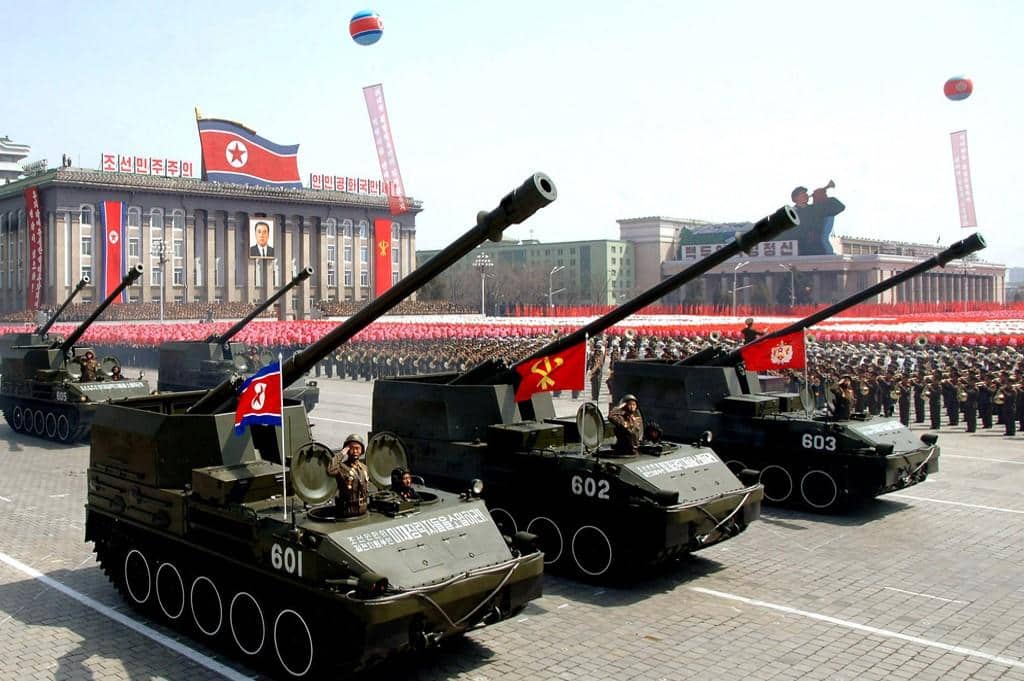
Pyongyang: For most of the past decade, North Korea sat at the margins of European foreign policy—a sanctioned, isolated state whose nuclear programme drew condemnation but little day-to-day attention in Brussels. Russia’s war in Ukraine has dragged it back to the centre, and the European Union now finds itself confronting Pyongyang not as a distant proliferation problem but as an active military supplier to a conflict on Europe’s own continent.

The scale of that support has hardened the European position. By independent and allied estimates, North Korea has deployed tens of thousands of soldiers to fight alongside Russian forces, rotating fresh contingents to replace heavy losses, while shipping artillery shells, ballistic missiles and other materiel eastward in quantities that have helped sustain Moscow’s offensive. In return, Pyongyang is widely assessed to be receiving food, fuel, cash and—most worrying to Western governments—sensitive military technology that could sharpen its missile and nuclear capabilities.

The EU has answered with the tool it reaches for most readily: sanctions. Building on measures originally aimed at North Korea’s weapons programmes, the bloc has added designations targeting officials and entities tied to the troop deployments and arms transfers, freezing assets and barring travel. Acting in concert with partners in Washington and Seoul, European capitals have sought to document the cooperation in detail and to raise its reputational and financial cost.

The honest assessment is that these measures bite at the edges. A regime already among the most heavily sanctioned on earth, and now enjoying the protection and patronage of a permanent member of the UN Security Council, has limited exposure to European financial pressure. The old architecture of multilateral sanctions, painstakingly assembled over years, has been quietly eroded as Moscow shields its supplier from scrutiny and blocks new collective action.

That erosion is the strategic worry beneath the diplomatic one. What unsettles European planners is less any single shipment than the precedent of a battlefield laboratory in which North Korean troops gain combat experience and its engineers absorb Russian know-how. A more capable, war-tested Pyongyang would reshape the security calculus in north-east Asia—and, through Europe’s deepening partnerships with Seoul and Tokyo, draw the continent further into a theatre it once watched from afar.

For now, the European response remains primarily declaratory and financial, reflecting the limited reach of a bloc with no hard-power presence in the region. But the rhetorical shift is real. North Korea is no longer filed under non-proliferation alone; it has become, in the European reading, one node in a widening network of states willing to trade weapons and soldiers in defiance of the order Brussels still hopes to defend.