August 10, 2026
LATEST
Five Joint Defence Projects Launch Europe’s Military ShieldElectrification Plan Aims to Make Europe First Electro ContinentHorizon Europe Budget Fight Heats Up as Ministers Push BackGoogle’s DMA Fine Sets Off a Transatlantic Tariff ClashTwenty New University Alliances Join Erasmus for Two YearsForeign Subsidies Case Puts Temu in the EU’s SightsVan Tachographs Now Mandatory for Cross-Border FleetsStress Test Exposes Gaps in Euro Area Bank DefencesEurope Bets on a Gulf Partnership Before the Riyadh SummitWhy the Atlantic Route Now Runs Through MauritaniaKyiv and Chisinau Advance as the EU Accession Talks Gather PaceEurope’s New Digital Border System Beds In After a Rocky RolloutBrussels Mounts Its Largest Wildfire Response as the Fires SpreadRetail Spending Slipped in June, Wrong-Footing EconomistsHeatwave Warning Puts Brussels on Alert for Vulnerable GroupsKANAL’s 230 Million Euro Museum Sets a November Opening DatePension Savings Rules Get a Reset as the EU Scraps the 1% CapMedicine Shortages Move to the Heart of Europe’s Pharma ResetJapan Becomes Europe’s Closest Security Partner in AsiaCan Europe’s New Zealand Deal Anchor It in the Pacific?Five Joint Defence Projects Launch Europe’s Military ShieldElectrification Plan Aims to Make Europe First Electro ContinentHorizon Europe Budget Fight Heats Up as Ministers Push BackGoogle’s DMA Fine Sets Off a Transatlantic Tariff ClashTwenty New University Alliances Join Erasmus for Two YearsForeign Subsidies Case Puts Temu in the EU’s SightsVan Tachographs Now Mandatory for Cross-Border FleetsStress Test Exposes Gaps in Euro Area Bank DefencesEurope Bets on a Gulf Partnership Before the Riyadh SummitWhy the Atlantic Route Now Runs Through MauritaniaKyiv and Chisinau Advance as the EU Accession Talks Gather PaceEurope’s New Digital Border System Beds In After a Rocky RolloutBrussels Mounts Its Largest Wildfire Response as the Fires SpreadRetail Spending Slipped in June, Wrong-Footing EconomistsHeatwave Warning Puts Brussels on Alert for Vulnerable GroupsKANAL’s 230 Million Euro Museum Sets a November Opening DatePension Savings Rules Get a Reset as the EU Scraps the 1% CapMedicine Shortages Move to the Heart of Europe’s Pharma ResetJapan Becomes Europe’s Closest Security Partner in AsiaCan Europe’s New Zealand Deal Anchor It in the Pacific?
August 10, 2026
LATEST
Five Joint Defence Projects Launch Europe’s Military ShieldElectrification Plan Aims to Make Europe First Electro ContinentHorizon Europe Budget Fight Heats Up as Ministers Push BackGoogle’s DMA Fine Sets Off a Transatlantic Tariff ClashTwenty New University Alliances Join Erasmus for Two YearsForeign Subsidies Case Puts Temu in the EU’s SightsVan Tachographs Now Mandatory for Cross-Border FleetsStress Test Exposes Gaps in Euro Area Bank DefencesEurope Bets on a Gulf Partnership Before the Riyadh SummitWhy the Atlantic Route Now Runs Through MauritaniaKyiv and Chisinau Advance as the EU Accession Talks Gather PaceEurope’s New Digital Border System Beds In After a Rocky RolloutBrussels Mounts Its Largest Wildfire Response as the Fires SpreadRetail Spending Slipped in June, Wrong-Footing EconomistsHeatwave Warning Puts Brussels on Alert for Vulnerable GroupsKANAL’s 230 Million Euro Museum Sets a November Opening DatePension Savings Rules Get a Reset as the EU Scraps the 1% CapMedicine Shortages Move to the Heart of Europe’s Pharma ResetJapan Becomes Europe’s Closest Security Partner in AsiaCan Europe’s New Zealand Deal Anchor It in the Pacific?Five Joint Defence Projects Launch Europe’s Military ShieldElectrification Plan Aims to Make Europe First Electro ContinentHorizon Europe Budget Fight Heats Up as Ministers Push BackGoogle’s DMA Fine Sets Off a Transatlantic Tariff ClashTwenty New University Alliances Join Erasmus for Two YearsForeign Subsidies Case Puts Temu in the EU’s SightsVan Tachographs Now Mandatory for Cross-Border FleetsStress Test Exposes Gaps in Euro Area Bank DefencesEurope Bets on a Gulf Partnership Before the Riyadh SummitWhy the Atlantic Route Now Runs Through MauritaniaKyiv and Chisinau Advance as the EU Accession Talks Gather PaceEurope’s New Digital Border System Beds In After a Rocky RolloutBrussels Mounts Its Largest Wildfire Response as the Fires SpreadRetail Spending Slipped in June, Wrong-Footing EconomistsHeatwave Warning Puts Brussels on Alert for Vulnerable GroupsKANAL’s 230 Million Euro Museum Sets a November Opening DatePension Savings Rules Get a Reset as the EU Scraps the 1% CapMedicine Shortages Move to the Heart of Europe’s Pharma ResetJapan Becomes Europe’s Closest Security Partner in AsiaCan Europe’s New Zealand Deal Anchor It in the Pacific?

Return Hubs Turn EU Migration Policy Into Foreign Policy

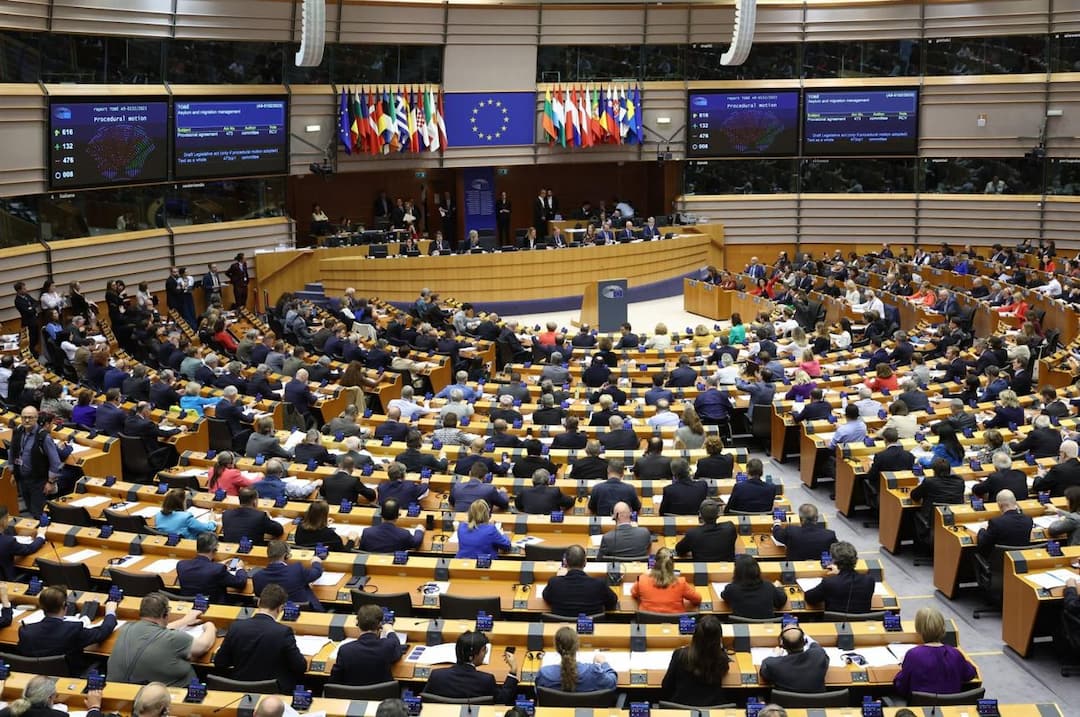
Copenhagen: The most consequential shift in Europe’s migration policy this summer is not happening on its beaches but in its foreign ministries. A provisional deal struck between the Council and the European Parliament in early June on a new Return Regulation clears the way for member states to send rejected asylum seekers to so-called return hubs in third countries. What began as an internal question of enforcement has become a matter of external diplomacy, and the countries most eager to use the tool are already knocking on doors across Africa.

The regulation, which complements the wider Pact on Migration and Asylum, standardises return procedures that today vary wildly between capitals. Only a minority of people ordered to leave the Union actually depart, and governments blame a patchwork of national rules and uncooperative countries of origin. The new text allows both the EU and individual states to strike arrangements with third countries to host returnees, either as transit points for onward removal or as final destinations. At least five governments, led by Denmark alongside Germany, Austria, the Netherlands and Greece, are reported to be in talks with African partners about hosting such centres.

Denmark has championed the idea longest, having pursued offshore processing arrangements well before Brussels was ready to countenance them. Its position reflects a broader hardening across the political centre, where leaders who once dismissed externalisation as a fringe demand now present it as pragmatic. That reframing is the real story: a policy long associated with the populist right has been absorbed into the mainstream and dressed in the language of orderly, rules-based migration management.

The legal guardrails are doing heavy work. The agreement insists that hubs may only operate in countries that respect international human rights law and the principle of non-refoulement, which bars sending people to places where they face persecution. Rights groups are unconvinced, pointing to the gap between paper safeguards and practice in earlier deals with Libya and Tunisia, where European money financed interception forces later accused of abuse. The Union’s own experience with externalised border control offers ample reason for caution.

Diplomatically, the shift hands considerable leverage to the very governments Europe hopes to enlist. Countries asked to host hubs will expect payment, visas, investment or political cover in return, and several have watched how Turkey converted a 2016 migration deal into lasting influence over Brussels. Every return arrangement becomes a bilateral relationship with its own price, and that price tends to rise.

There is also a credibility cost closer to home. The Union built much of its external identity on promoting human rights and the rule of law, and partners in Africa and beyond will note the contrast between that rhetoric and a policy that outsources unwanted arrivals. With a twelve-month implementation window before the rules bite, the coming year will test whether Europe can build a returns system that is both effective and defensible, or whether it has simply moved a difficult problem beyond the reach of its own courts.